

Berkeley Sports Cars: The Second Wave
A second wave is coming in many forms at the moment, whether it’s COVID-19 or the possibility that the failed business tycoon continues for a second term in the Whitehouse, neither of these breaks are particularly positive. Fear not, the return of yet another British automotive brand is nigh. Berkeley Sports Cars have announced their return to the automotive scene, with a variety of new models set for the market in April 2021.
For those of you who aren’t familiar with the company, Berkeley Sports Cars took their fibreglass caravan manufacturing skills back in the 1950s and applied them to the construction of microcars and super-light sports cars. These feisty machines were powered by a variety of different engines; most commonly they were renowned for their use of Royal Enfield and Excelsior’s engines. Yes, motorcycle engines… Small car; small engine configuration; lightweight materials equal pace.
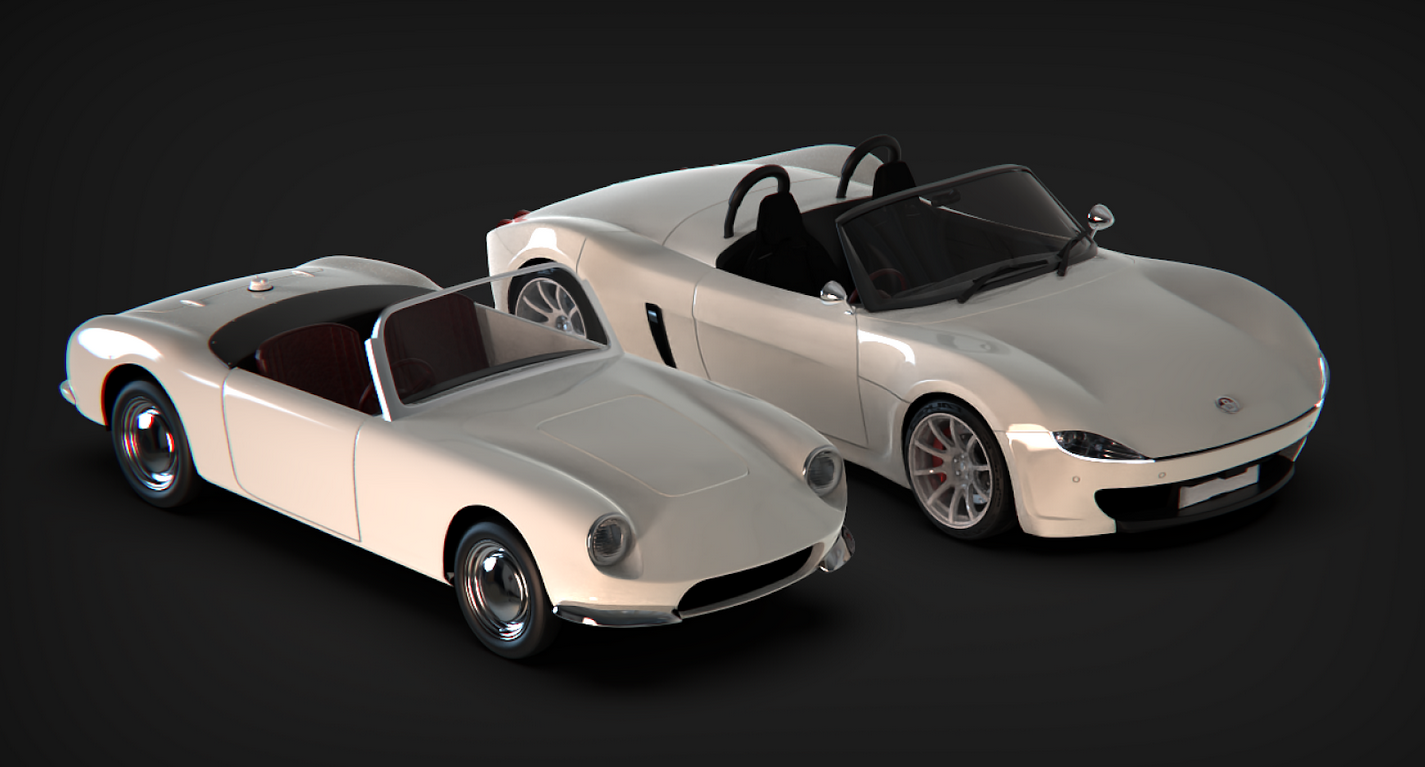
This forward-thinking arrangement was the brainchild of Charles Panter and designer Lawrence Bond, who envisioned a product that would not only win the World 750cc races but also be repairable, cheap and elegant. The company unveiled the SA322 in 1956 at Goodwood; with none other than Sir Sterling Moss at the helm. The vehicle was also showcased at London Motor Show the same year. The SA322 was intended to rival its fibreglass monocoque counterpart, the Lotus Elite, which was revealed the year before.
The scale of this vehicle is hard to fathom when you consider how rife obesity in the automotive industry at present. Everything is so large. The SA322 and the Mini were small for their time, let alone now. Nevertheless, the SA322 was a rather elegant microcar, with flowing curves aided by the absence of chrome bumperettes (an obsession in this period). The two-seater grand tourer’s body had three simple mounting points – the nose, floor and tail – and no conventional chassis. Much like the Mini, external door hinges gave the vehicle added character, but can’t have fended off the rust too well. Inside, there was a very basic arrangement, with small storage for a spare wheel and a small bag. Optional extras included an opulent fuel gauge. Over their short period of innovation, the company managed to sell 4100 units of their three and four-wheeled vehicles. Unfortunately, the company went bankrupt in 1960 – just four years after they had launched the SA322.
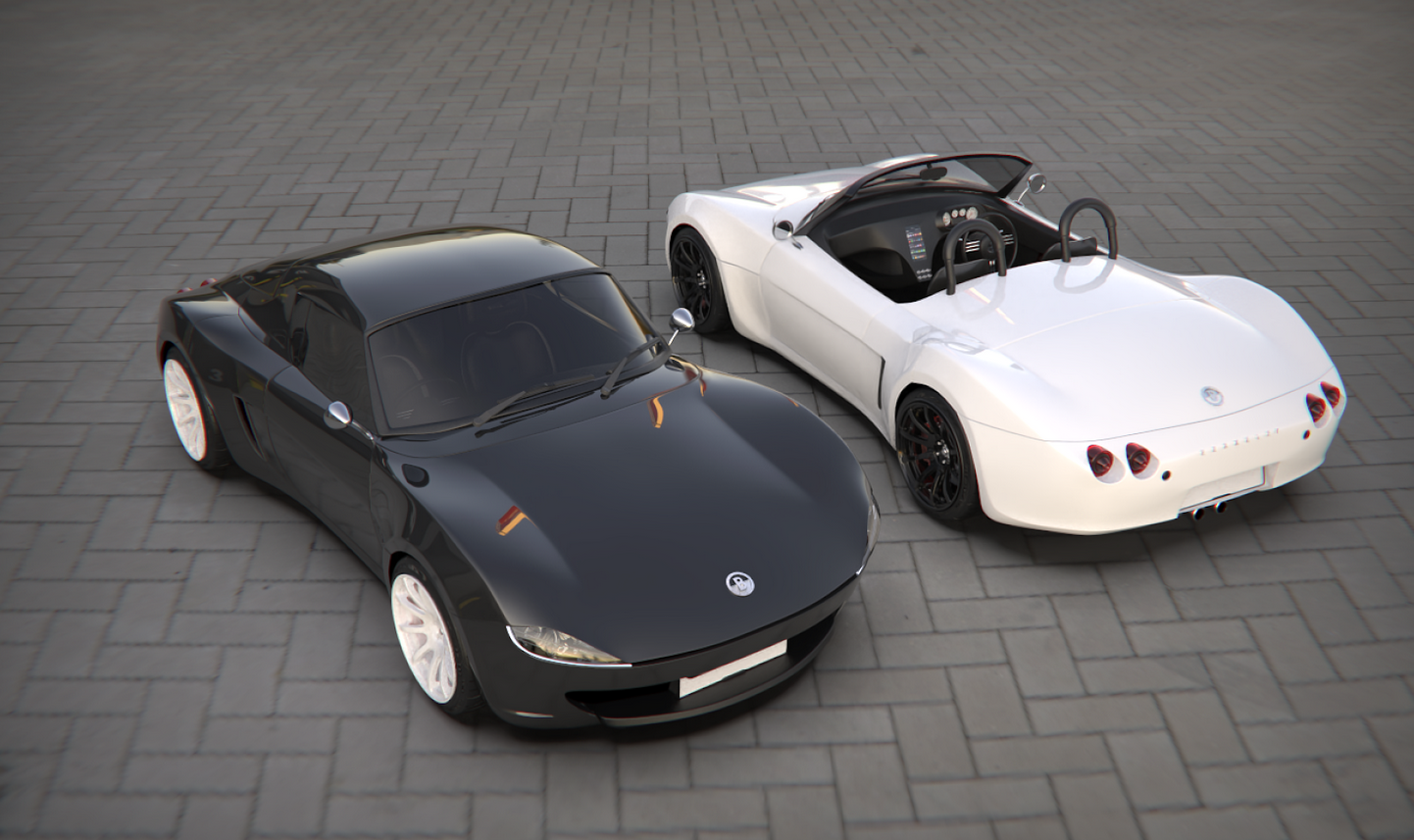
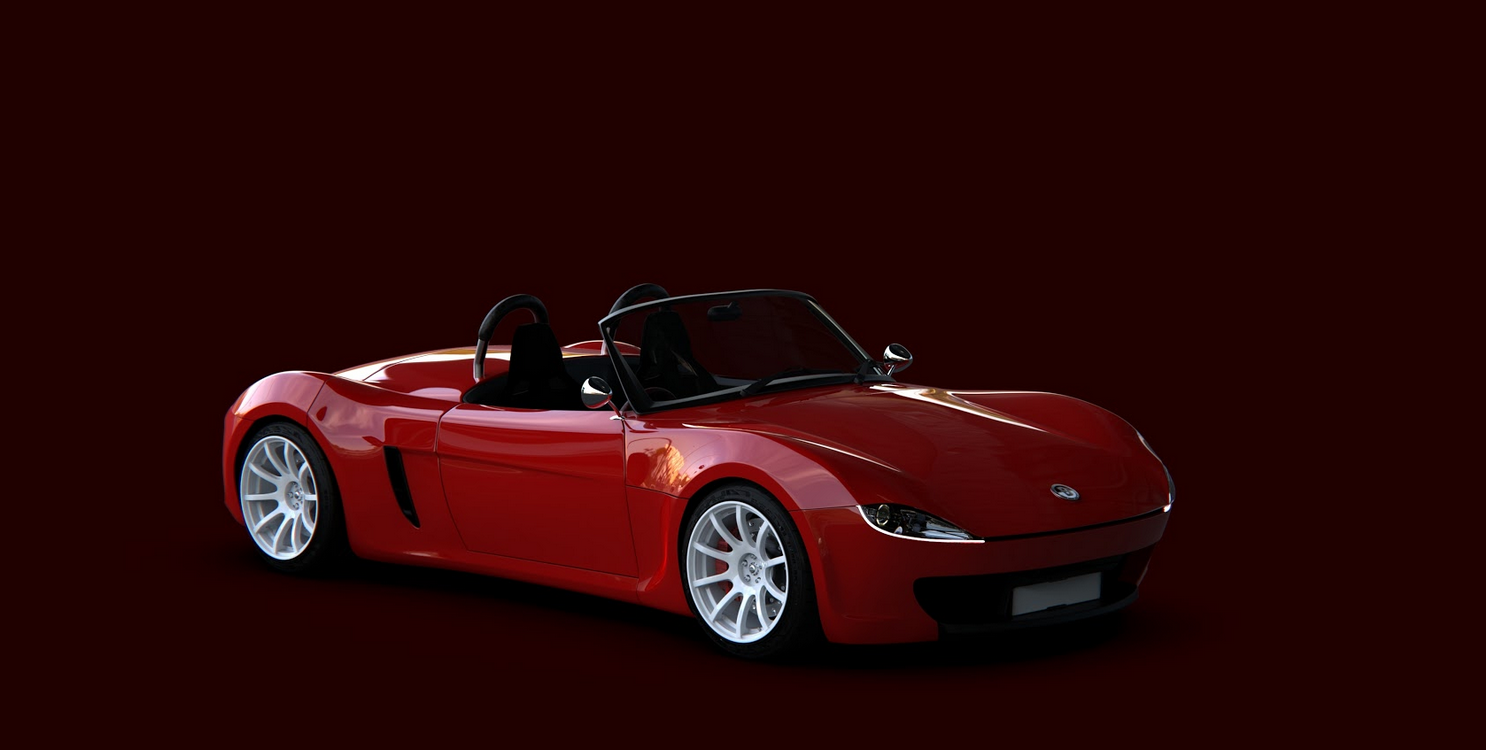
Sixty years on, Berkeley is back. Starting where they left off, the company have announced a 21st-century incarnation of the Berkeley Bandit which never saw production. The Berkeley Bandit Roadster and GT models will be powered using a Ford 2.3-litre turbocharged petrol unit originating from the Focus RS and EcoBoost Mustang. The engine, which produces 400hp, will be propelling a 700-kilo lightweight sports car, amounting to a power to weight ratio of 571 per tonne. Comparatively, the Porsche 918 Spyder has a power to weight ratio of 521.76hp per tonne. In addition to this, the company will be offering four-wheel drive, an electric power train, as well as a hydrogen fuel cell version at a later date. The new models have been designed by a young Lithuanian designer, Vladas Trakselis, who seems to have done a grand job at carrying through the spirit of the sixties into the 21st Century.

Are they late to the game? We think not. There is clearly a visionary element to these vehicles – the company is pioneering technology to create bio-chassis. The bio-chassis is tipped to be composed of Flax – yes, the stuff you put on your cereal and wear in the spring – and used to replace carbon fibre; tree resin will also be used to replace the chemicals traditionally used to fuse certain components together. The company have assured us that the vehicles will be put through rigorous testing to ensure structural integrity and longevity. We thought Polestar was going against the grain with their Flax interiors… Clearly, Berkeley Sports Cars is covering all bases and more here. Keep an eye out for more on Flax and the future of vehicle composition.
There is also suggestion that British manufacturer, Bristol Cars will be revived following liquidation of all company assets in 2020. You can read more about this series of events via Autocar’s Steve Cropley here.
Tell us what you think in the comments section below or via Twitter:
