
Business as Usual: Nissan Magnite Review
From the outside, it might appear like a sinking ship, the Renault-Nissan setup in India, especially the Nissan side of things. Personally speaking, I don’t remember driving a Nissan (bar the GT-R; humblebrag right there) in the last few years which made me want to read more about it, let alone write. Look, badge-engineering is a clever thing to do, but if your entire product line up consists of that, it’s a bit of a problem, isn’t it? Anyway, to address the issues like diminishing sales and receding market share, Nissan India has launched a crossover called the Magnite. It’s like a fresh start for the brand, and it will be interesting to find out what’s in store for prospective Nissan customers.
Or Datsun customers, actually, because one quick look at the car, and it’s easy to guess which badges it’d have donned originally. Now since Datsun is a budget-friendly brand, it’s not wrong to expect the Magnite to exhibit rough corners. And it so very well does. Not that the car is under-specced or lacking basic equipment, but it’s not exactly what I’d have called a Nissan. But hey, what’s in a name, and all that! If the customers are getting a good product, they can call it whatever they want, right?
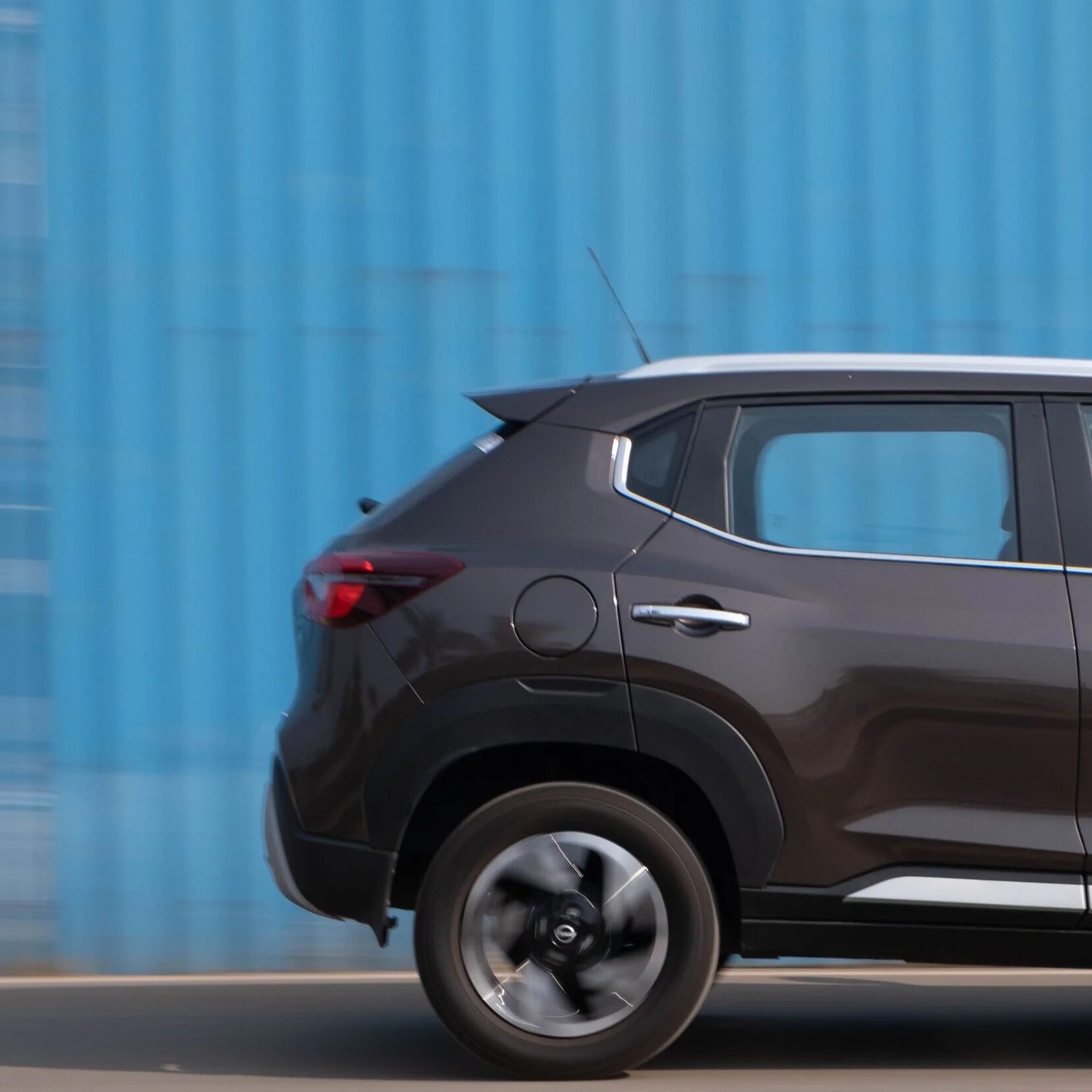
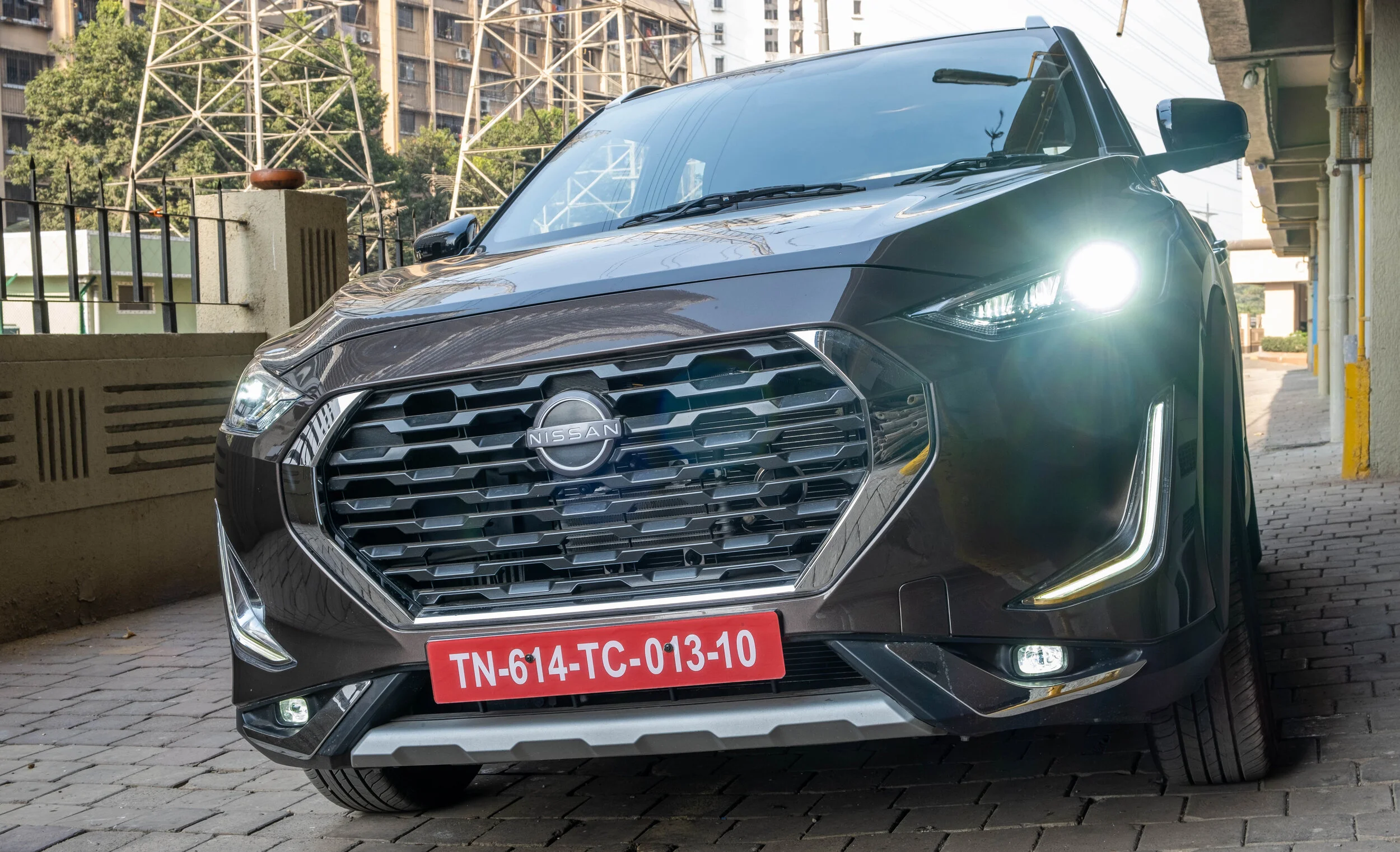
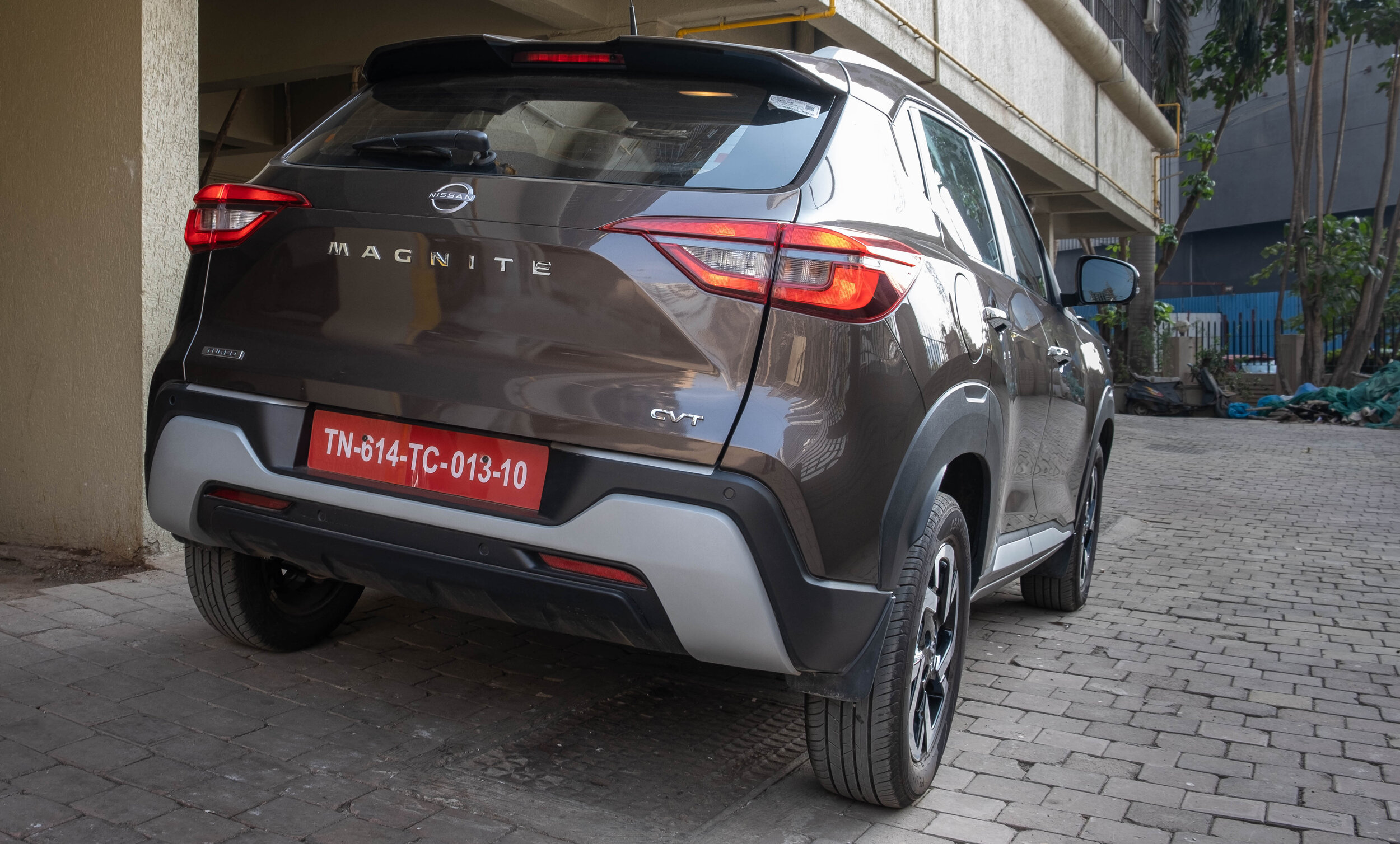
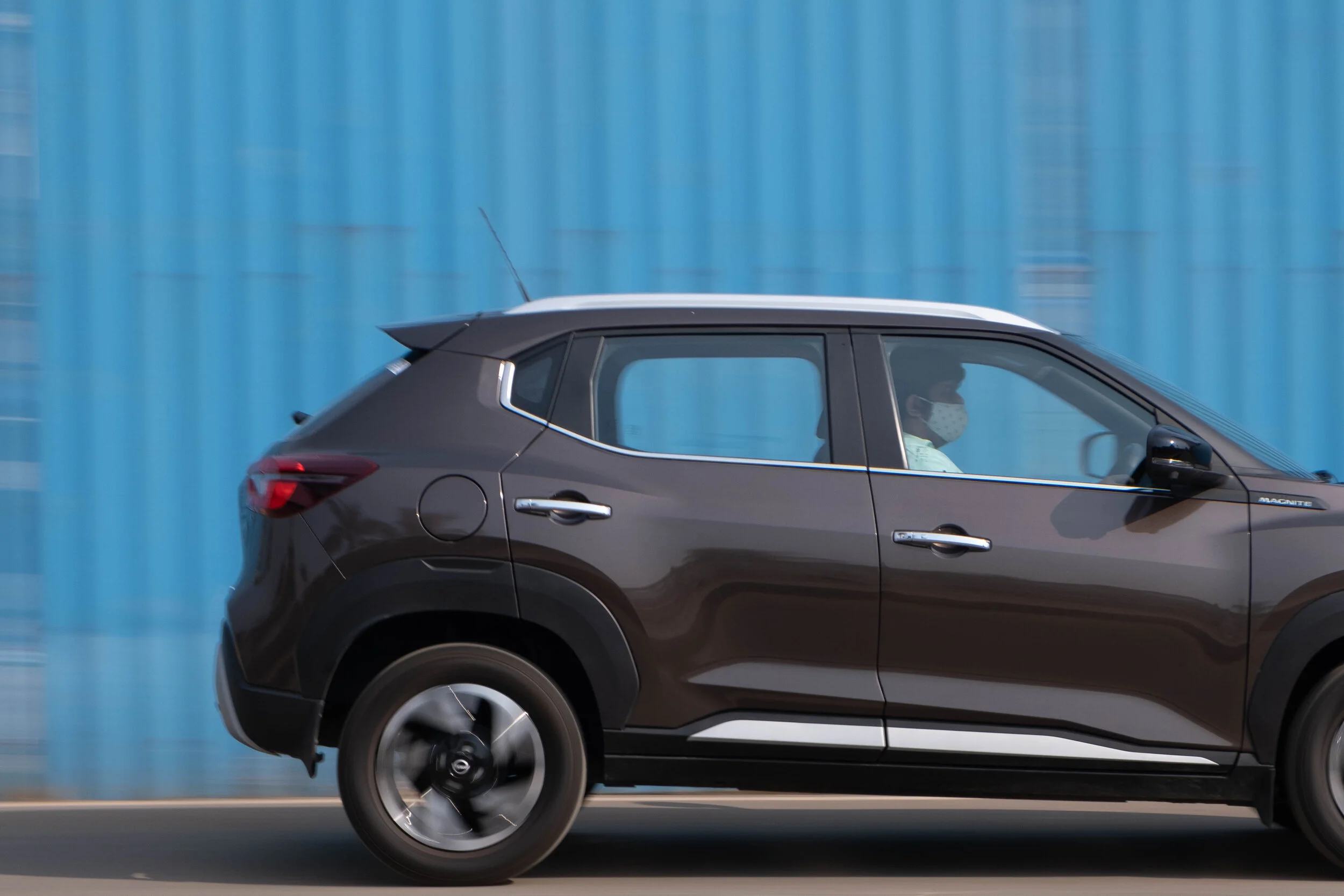
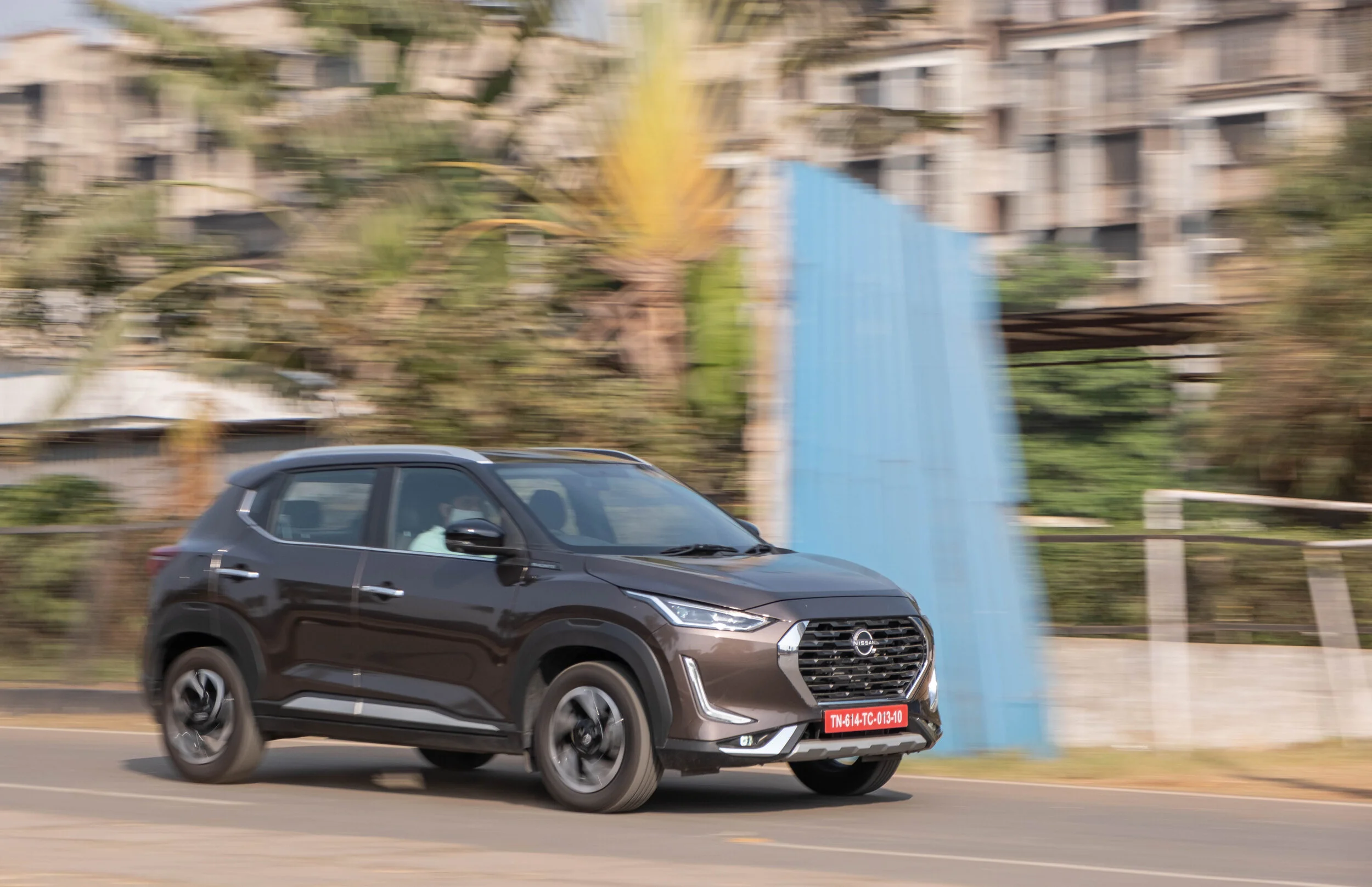
So, is it a good product? That’s a good question, I can tell you that. As far as the Magnite is concerned, it’s a mix of good and mediocre. Let’s start with the good bits first. Among other confused and oddly designed compact crossovers, the Magnite has the most balanced profile. The dual-tone paint isn’t overdone, and the two colours that Nissan India has on the press fleet, namely Sandstone Brown and Vivid Blue, make the car look good. Other choices include another shade of brown, silver, two shades of white, black, and red. Some of these are available with dual-tone paint schemes, too.
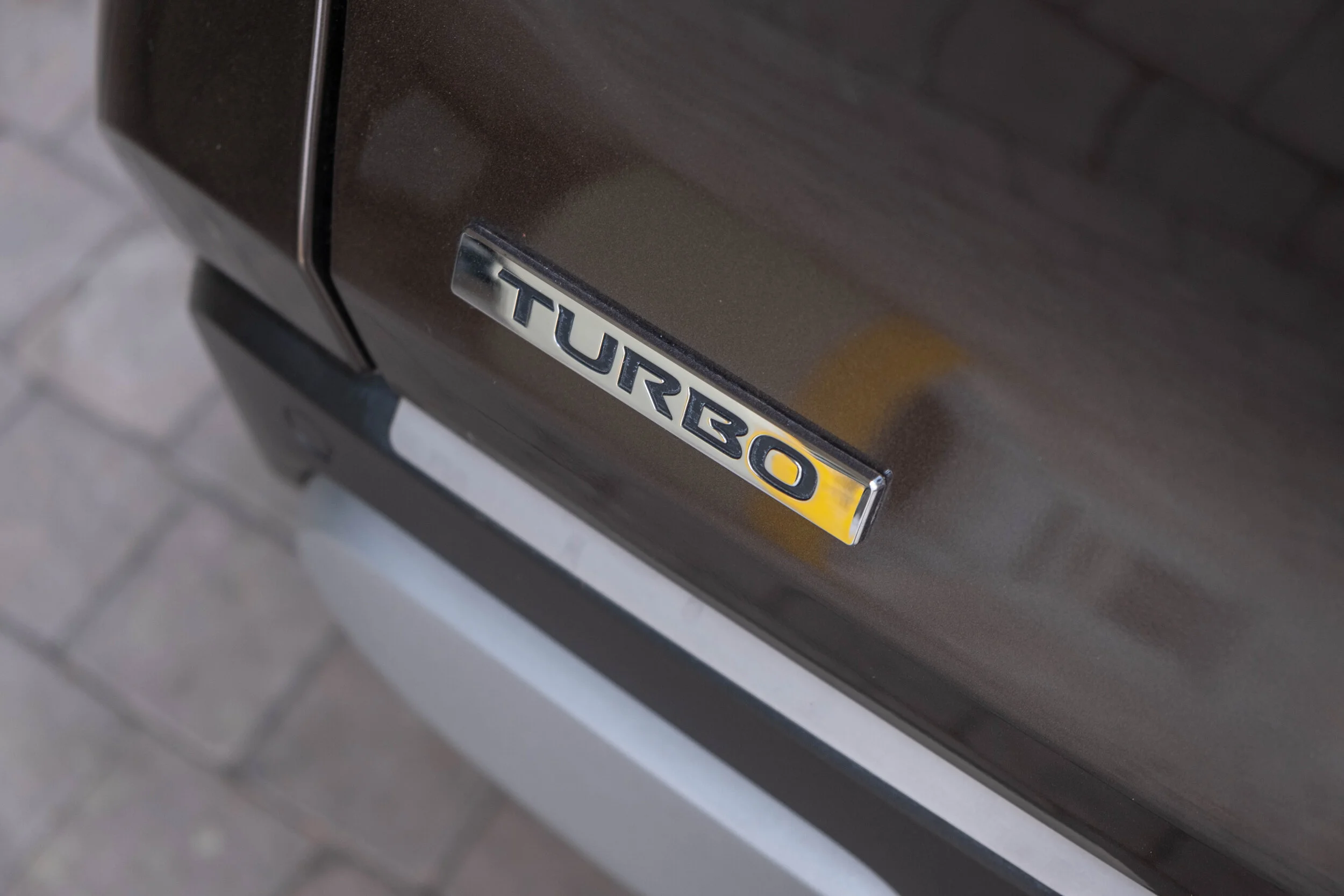
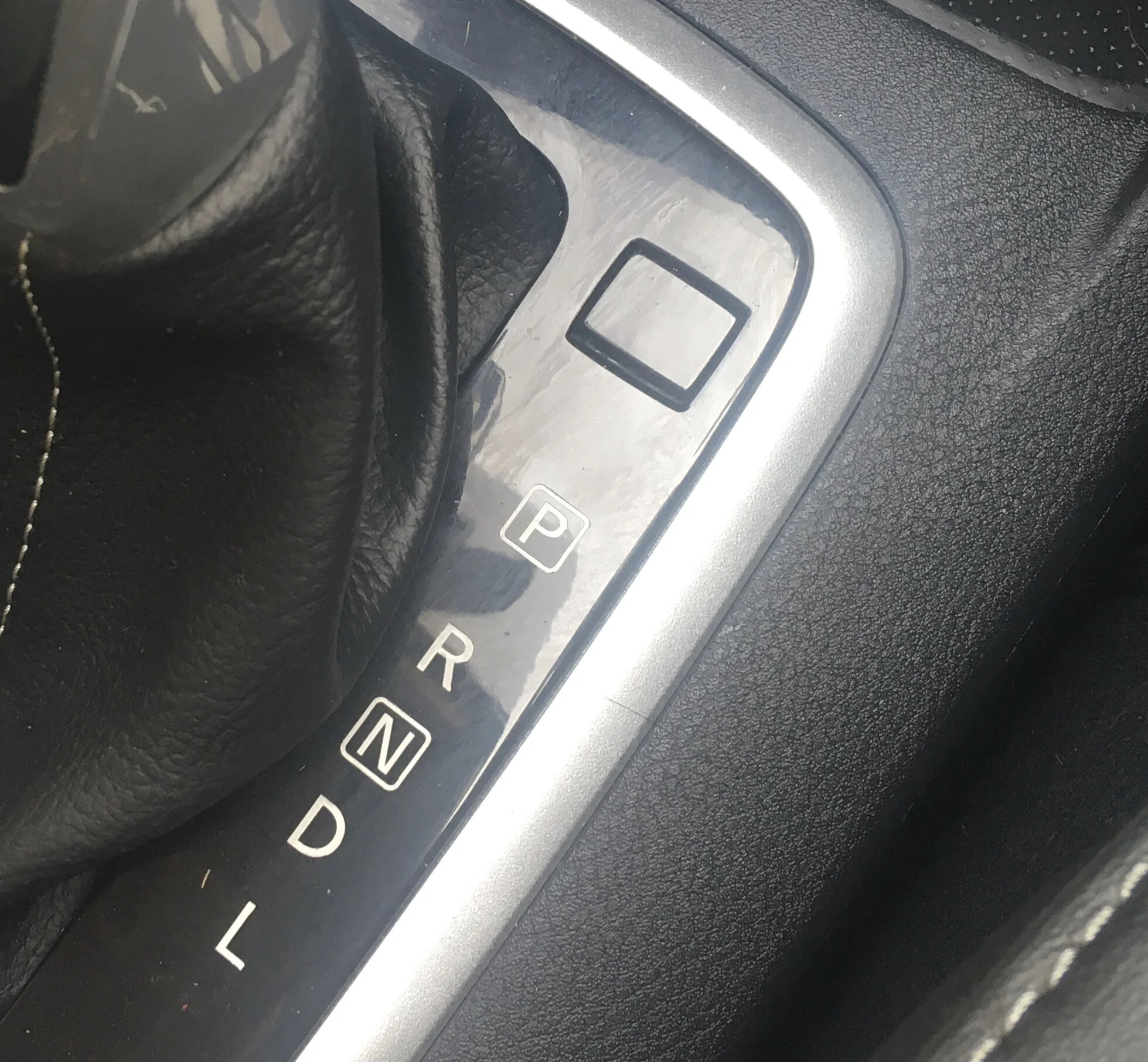
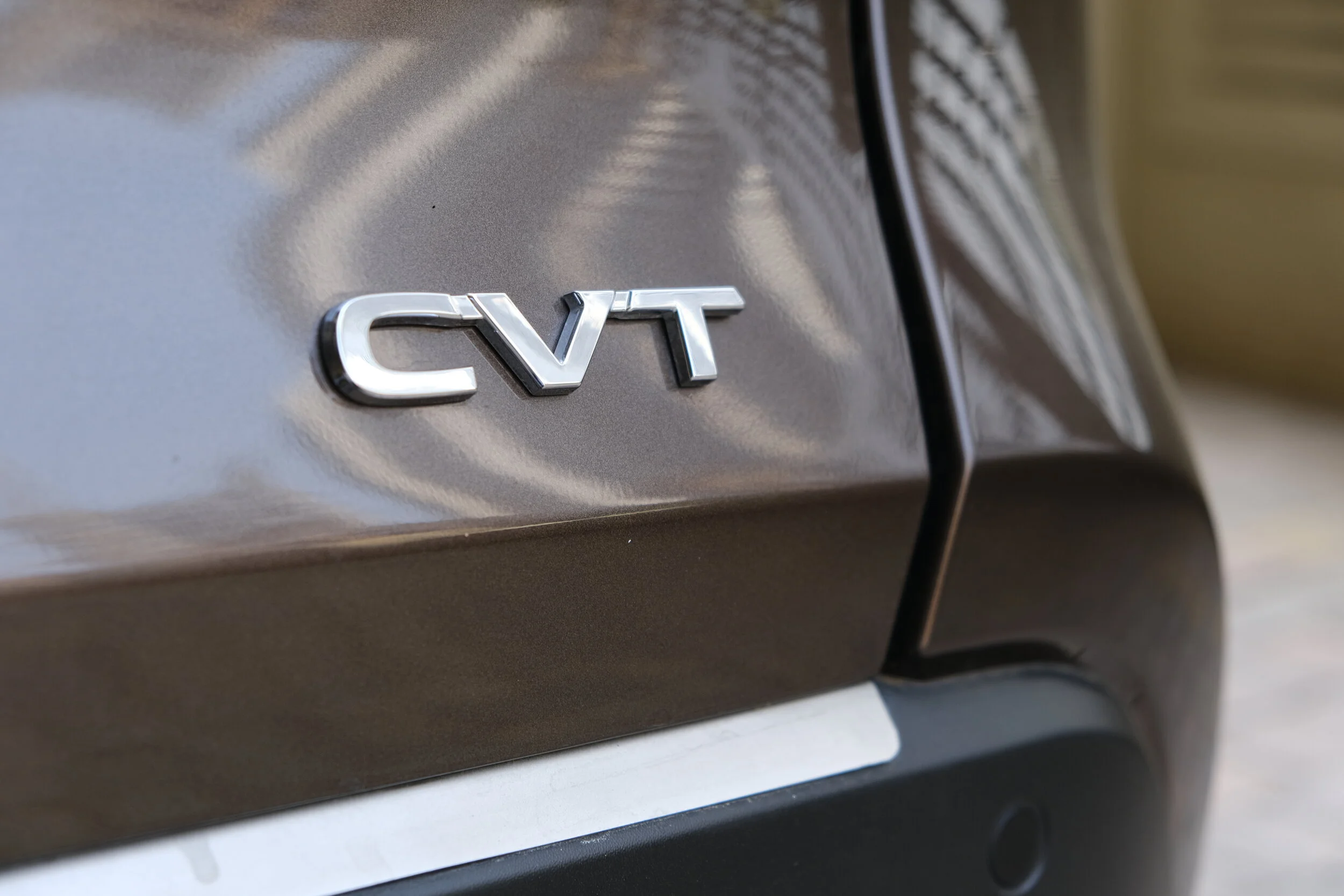
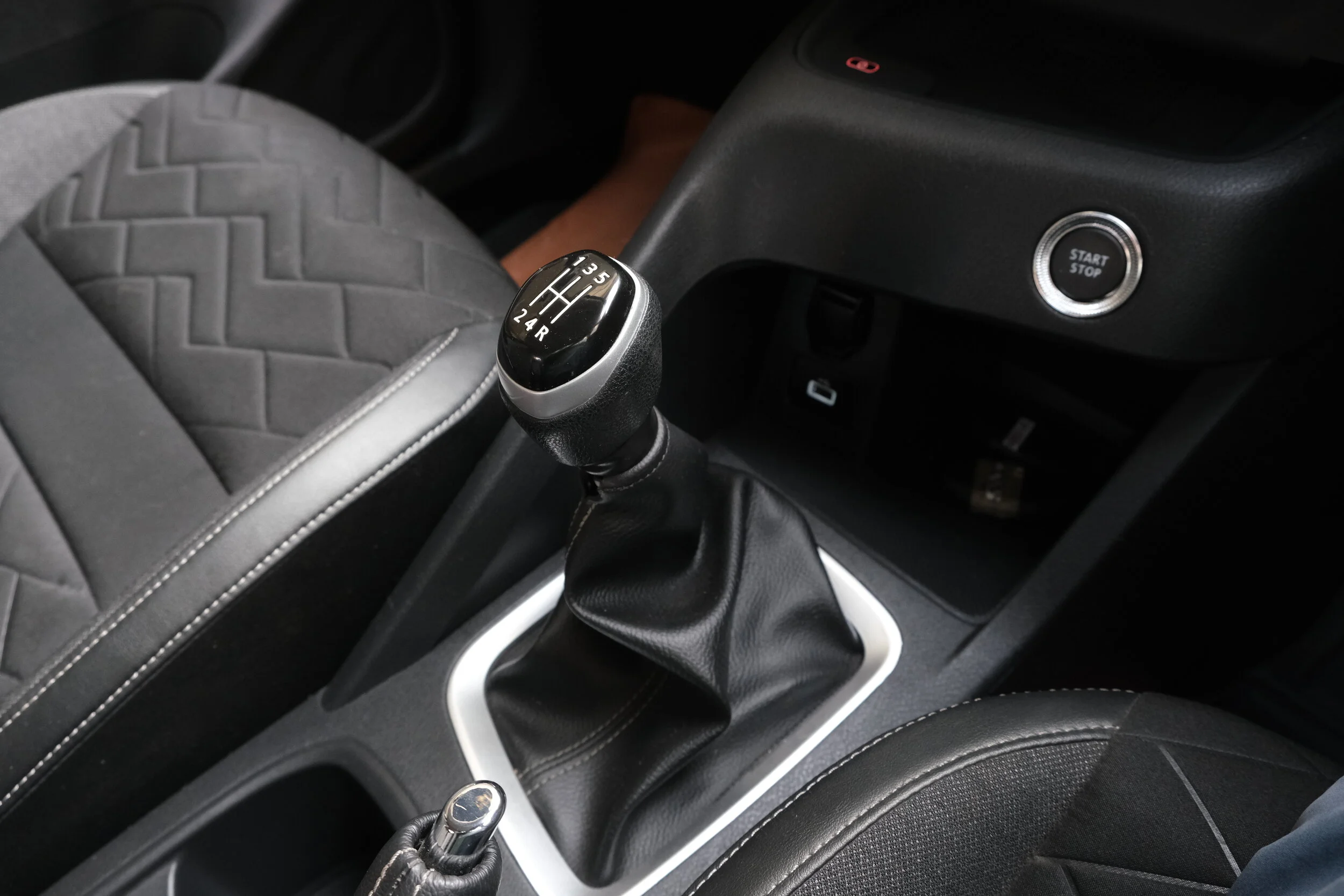
The other thing that works in the Magnite’s favour is the 1-litre turbocharged petrol engine (98.6 bhp; 160 Nm for MT and 152 Nm for CVT). The NA petrol is also 1-litre but given the vehicle’s size and a kerb weight of around a tonne, I don’t have high hopes for that. The turbocharged engine can be specced with either a 5-speed manual or a CVT. The former does offer an added degree of interaction, but it’s nothing outstanding about it. The CVT, on the other hand, has a slightly different tune for the engine (lower peak torque but available in a wider rev band) and works great in the city. As long as you’re aware that it’s not a conventional automatic/dual-clutch ‘box, the CVT is an easy choice.
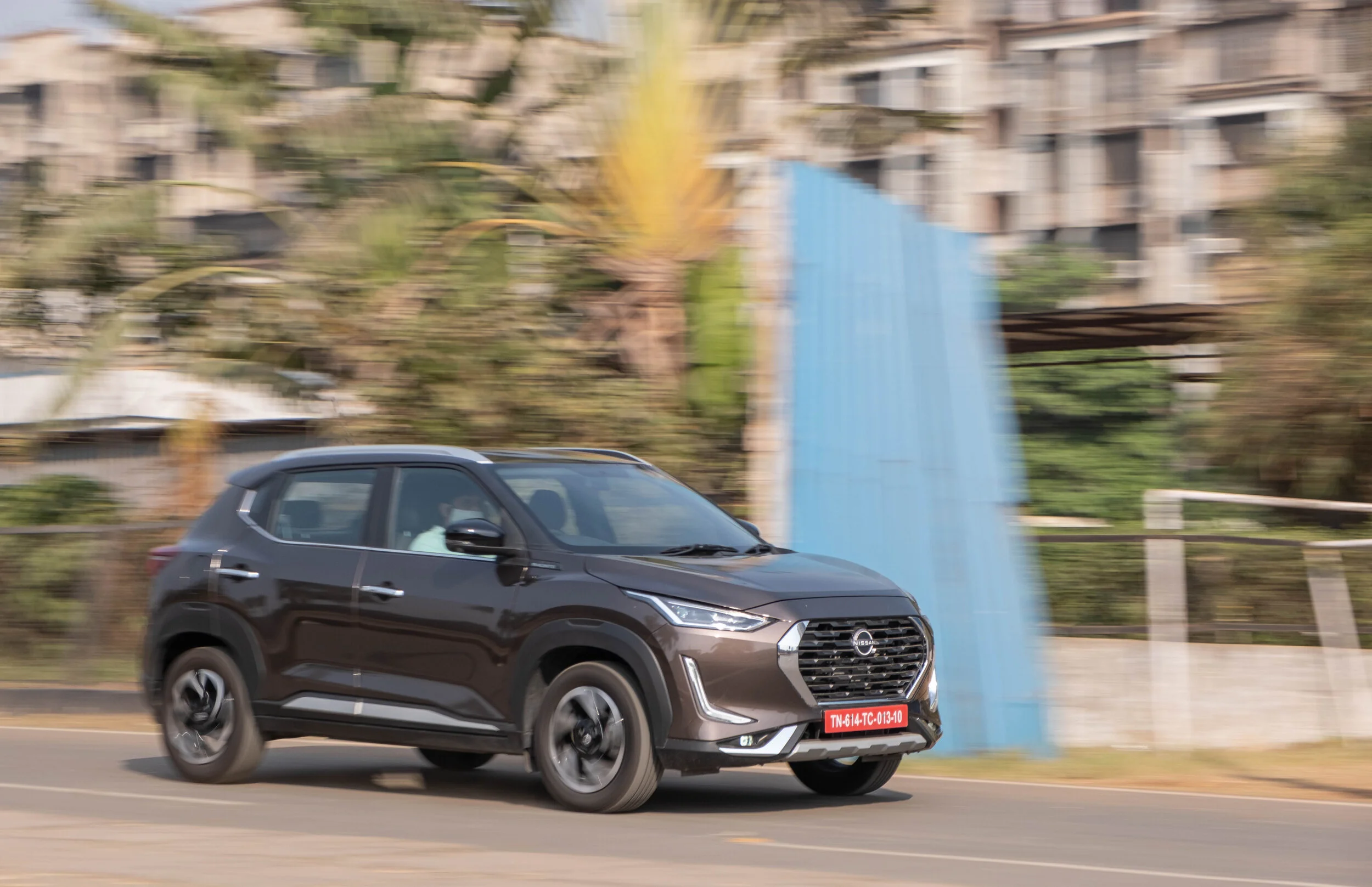
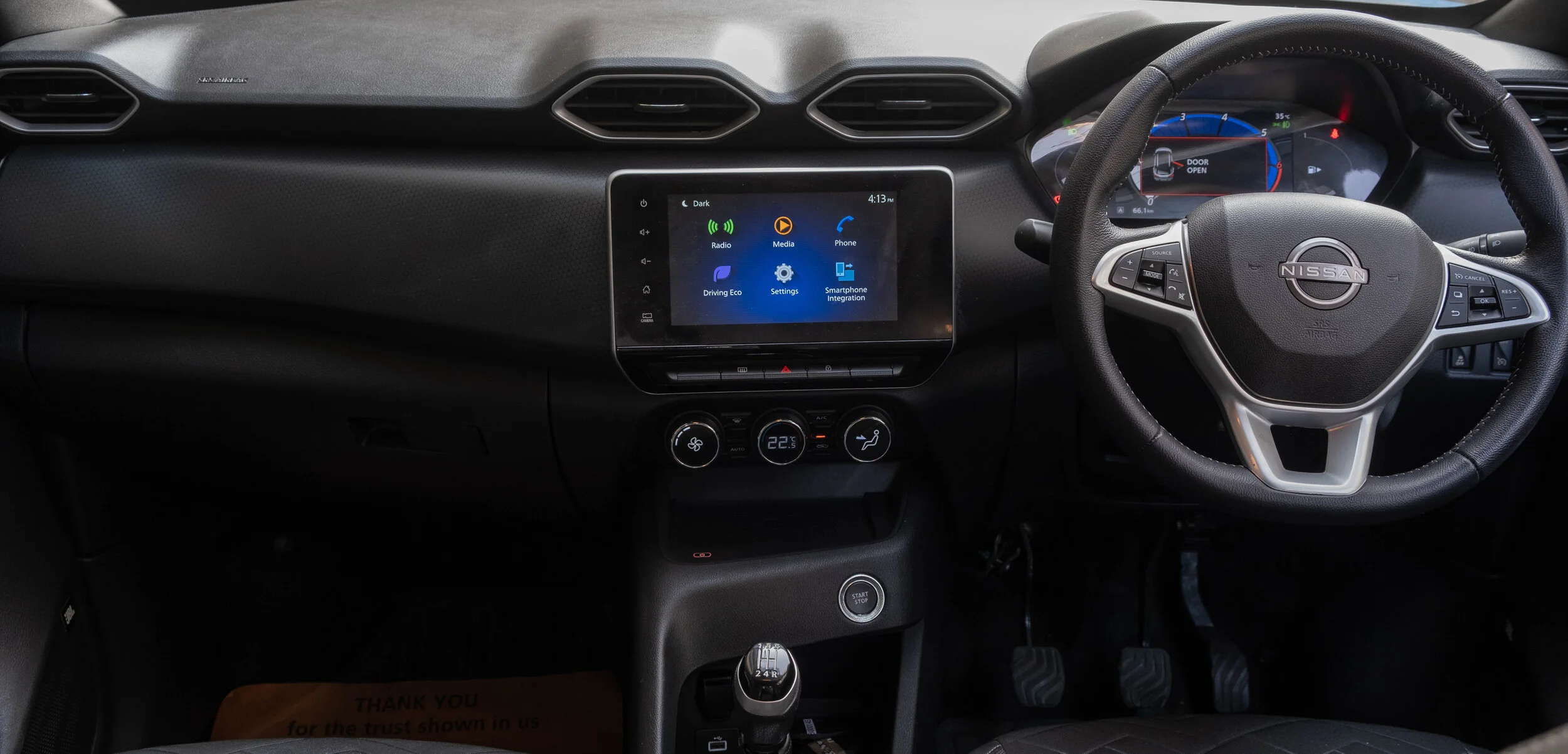
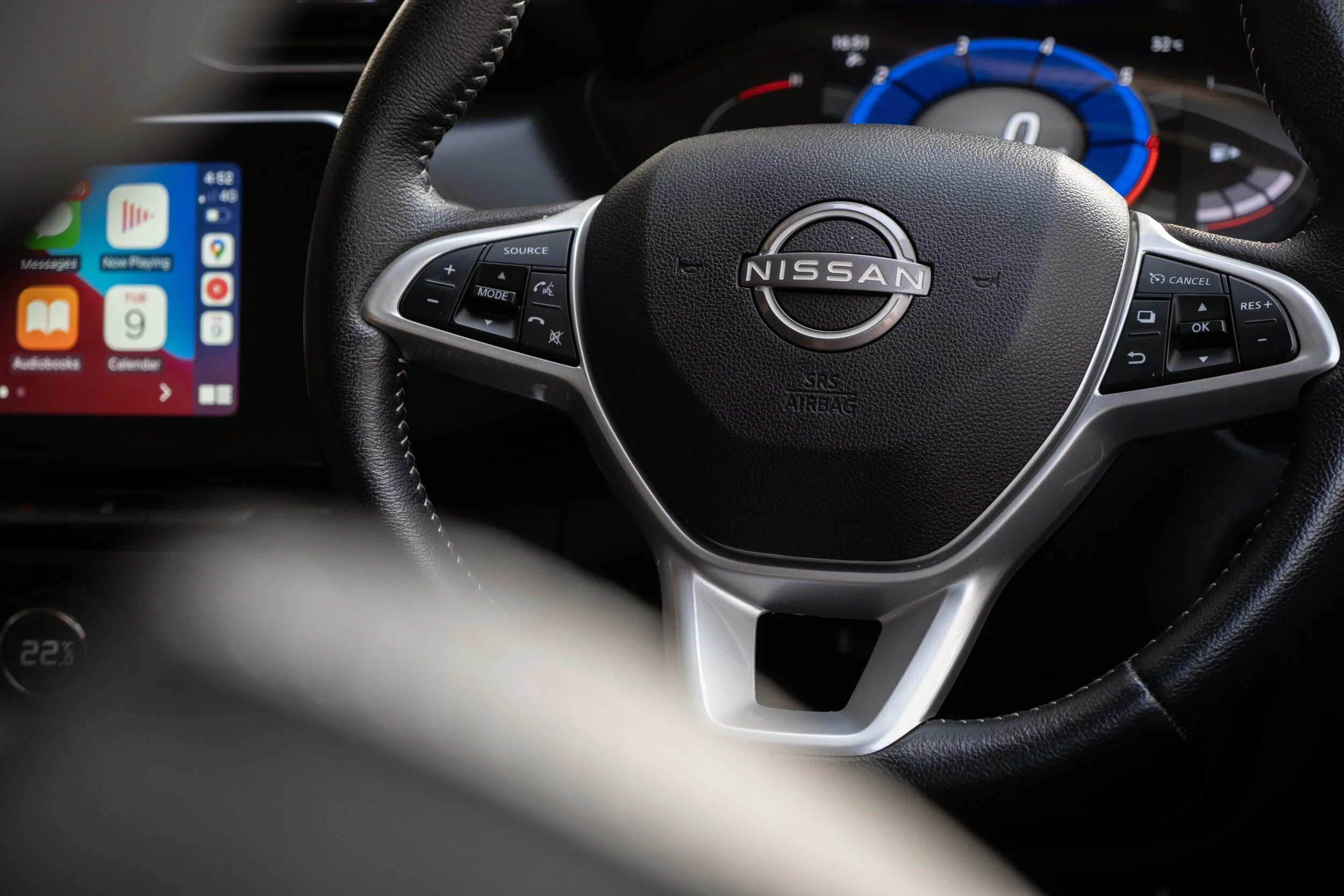
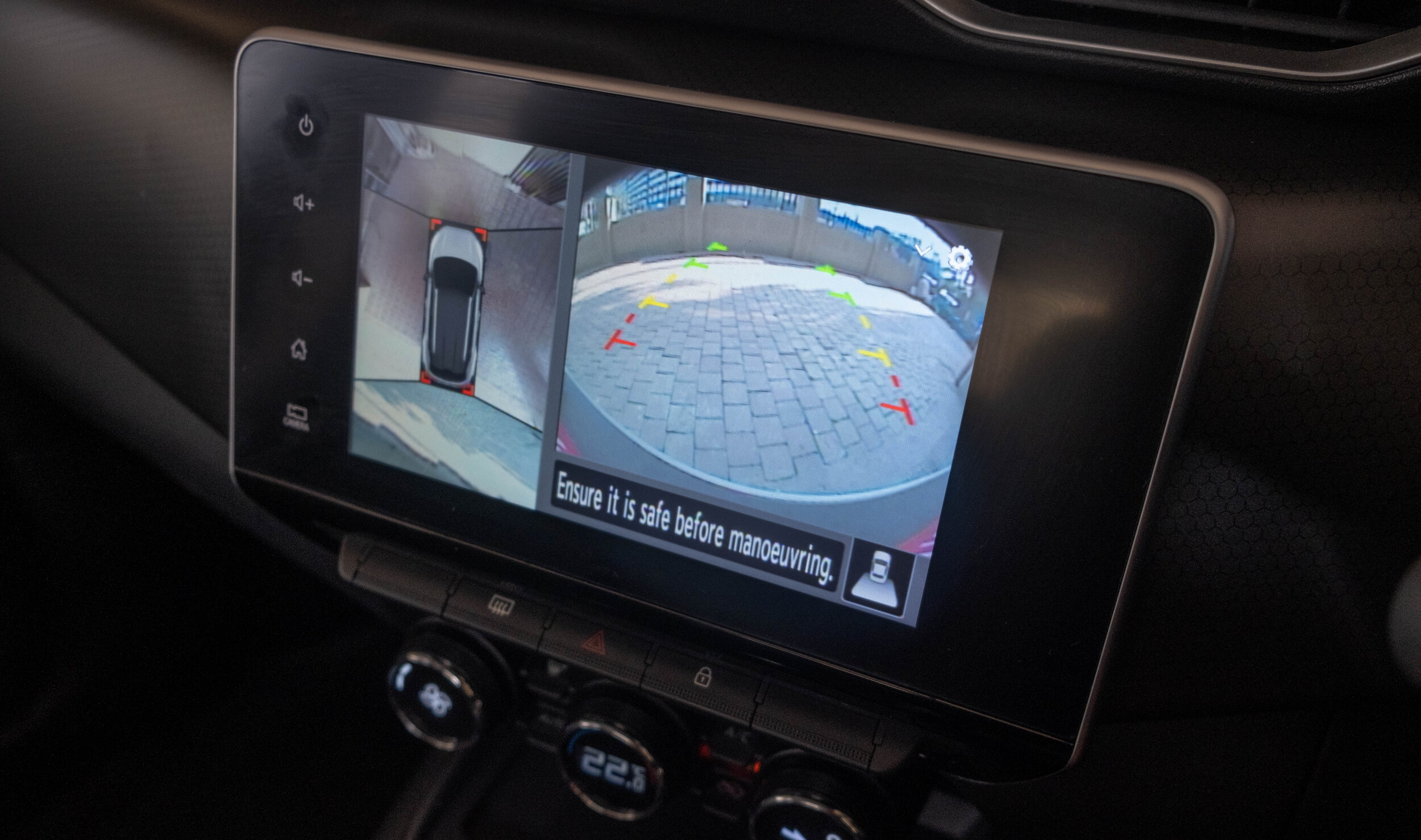
The relatively low price (in comparison to other products in the segment) further strengthens the Magnite’s list of pros. The features list isn’t too bad, either. There’s a 360-degree camera (although running in an annoying/incorrect aspect ratio), JBL speakers (which sound just about okay), wireless charging, lock/unlock request sensors on both front doors and some pointless bits like in-cabin ambient lighting and puddle lighting, etc. Some of these are available as a part of an accessory pack, which means one doesn’t have the option of choosing these at the dealership, too. The presence of hill-start assist and dual airbags is appreciated, but, weirdly, Renault offers four airbags on the Kiger (based on the same CMF-A platform as the Magnite) but that’s not the case here.
Talking of which, safety isn’t something that Datsun (after its revival last decade) has been good at. If my memory serves right, Global NCAP had sent Datsun a letter asking them to stop selling the Go and Go+ vehicles in India because of their abysmal crash performance. The Magnite has been tested by ASEAN NCAP and it’s revealed no red herrings, either. Which does sound reassuring, although I would want to see Global NCAP’s findings once they test it.
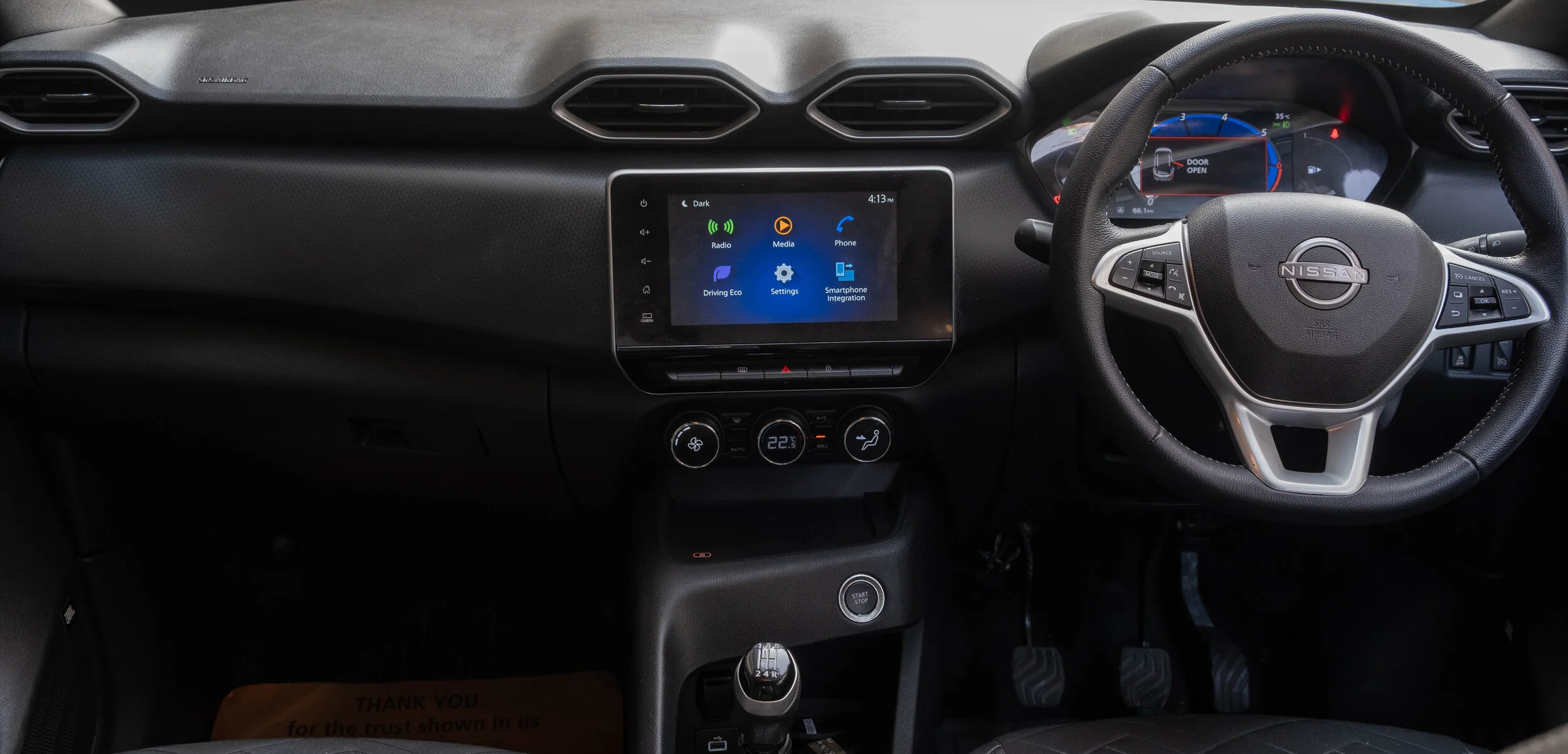
On the move, the Magnite isn’t devoid of confidence, although harsh bumps do tend to reach the cabin. The steering and the suspension don’t make you push the car but the engine is responsive and fairly quick for its size; and especially with the CVT, it offers seamless power. For intra-city driving, which is where most Magnites are likely to be used, the CVT-equipped Turbo variant seems like a good match. It lacks the ability to soak up bumps like on the Duster-based Terrano and the Captur-based Kicks. Which is slightly disappointing as that would’ve made the Magnite very easy to recommend. Much like better quality bumpers/grille and interior plastics.
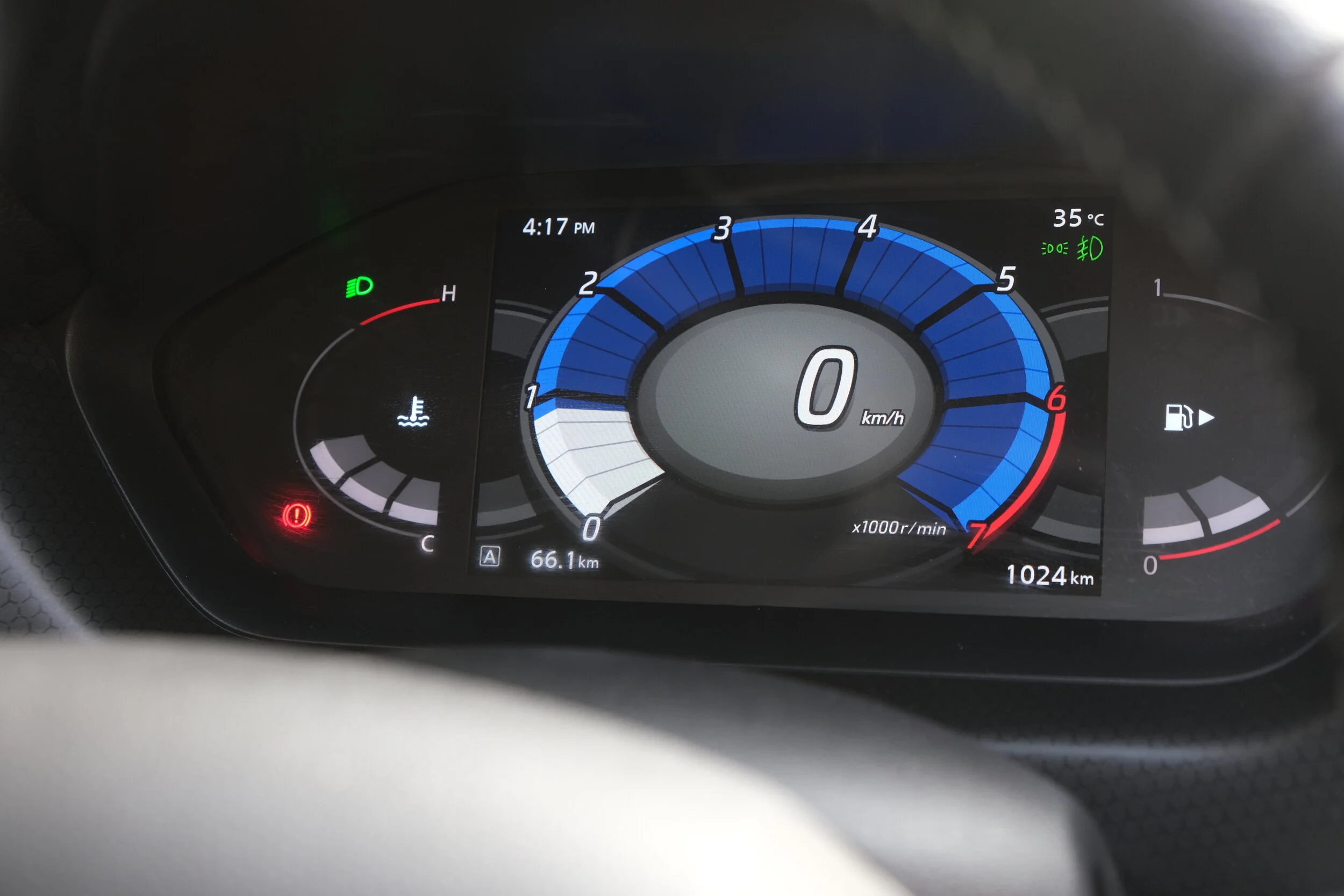
There’s been a lot of noise around the dashboard’s plastic quality and the all-TFT instrument cluster. The former is nowhere in the same league as others in the segment while the latter is a novelty. Since the segment is largely based around features (rather than how a car is to drive, etc.), it seems to be a good fit. The absence of sunroof, though, makes one wonder if two distinct product-planning teams were working on the Magnite. Now, do we need a sunroof? Absolutely not. But does the segment love one? Absolutely yes.
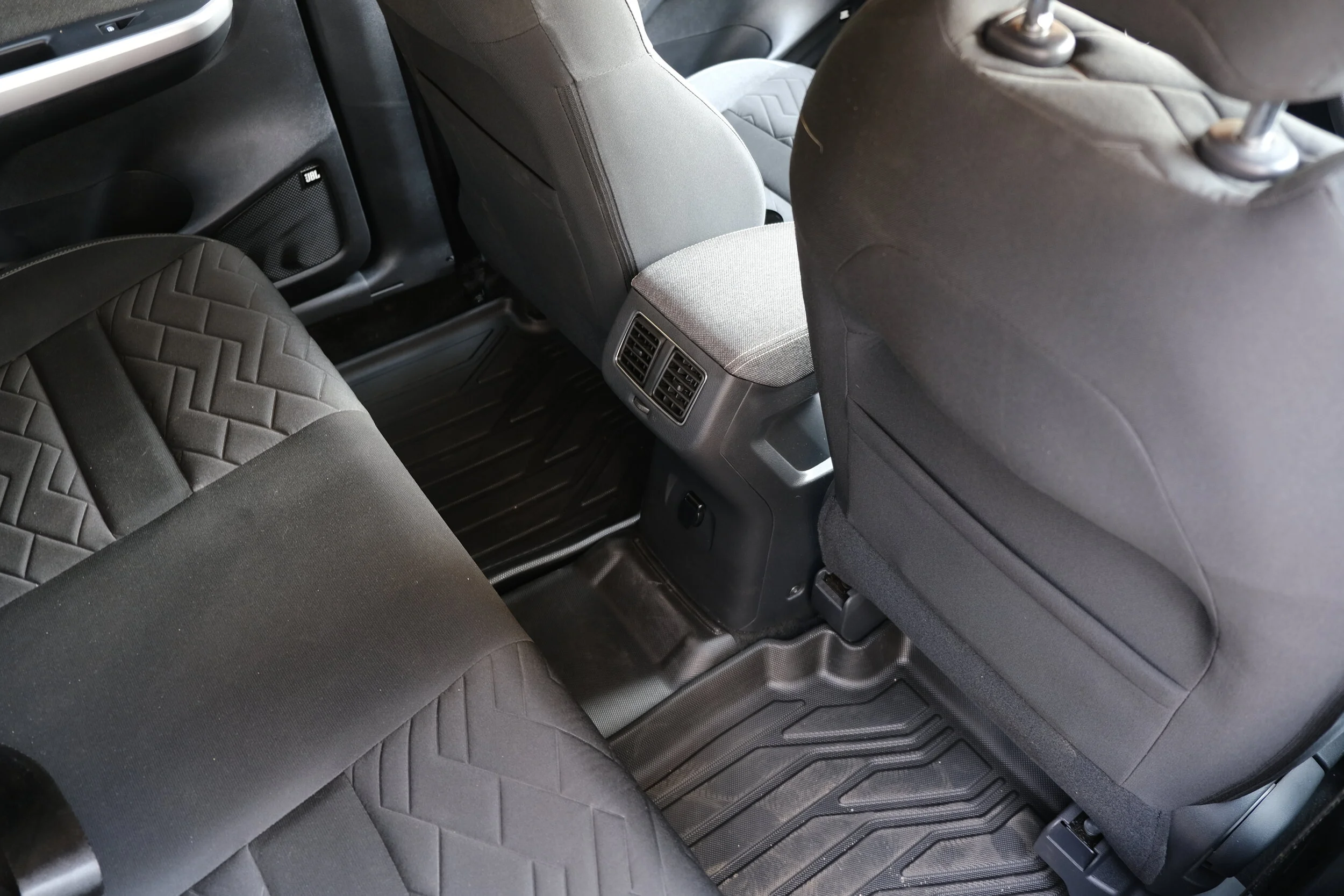
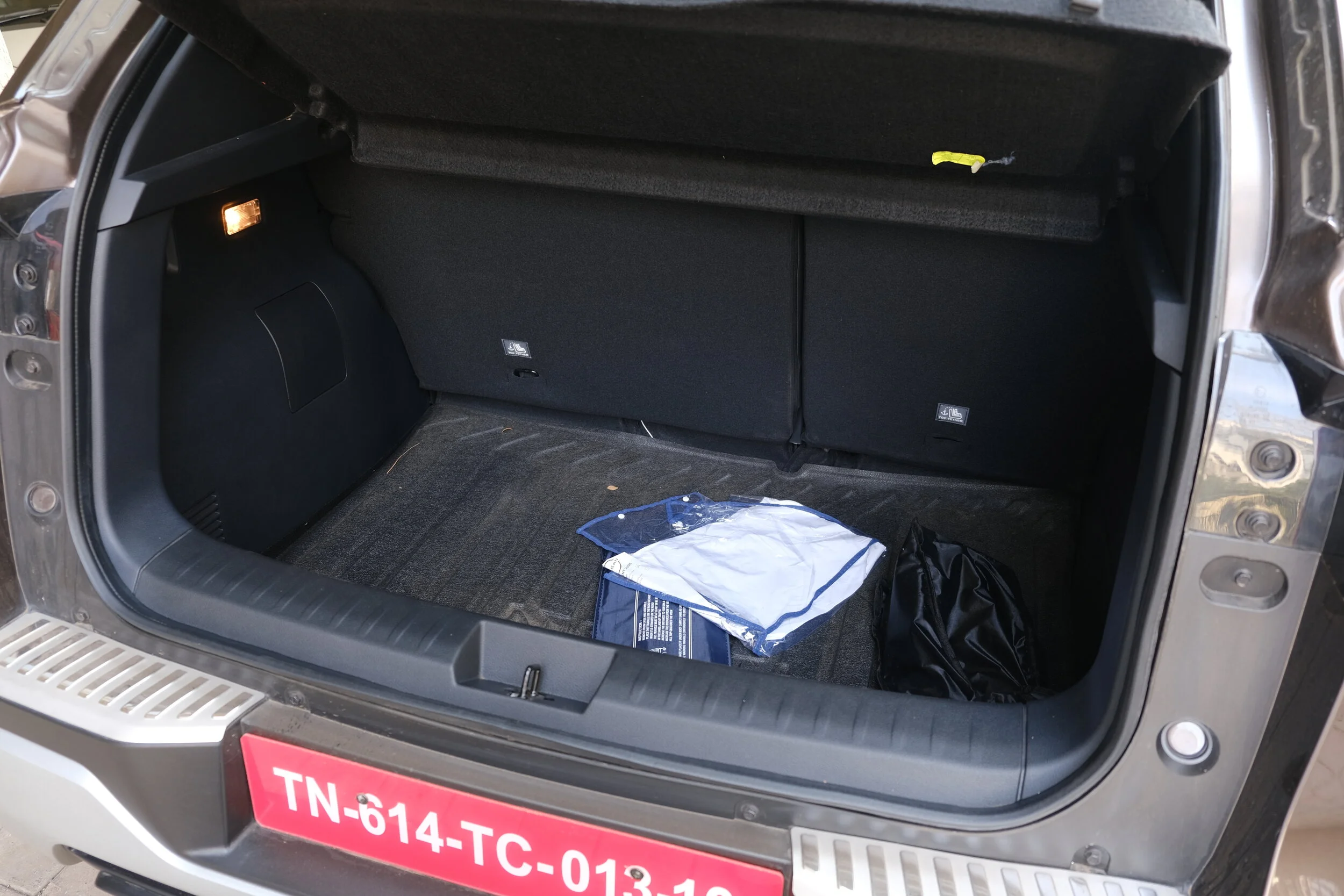
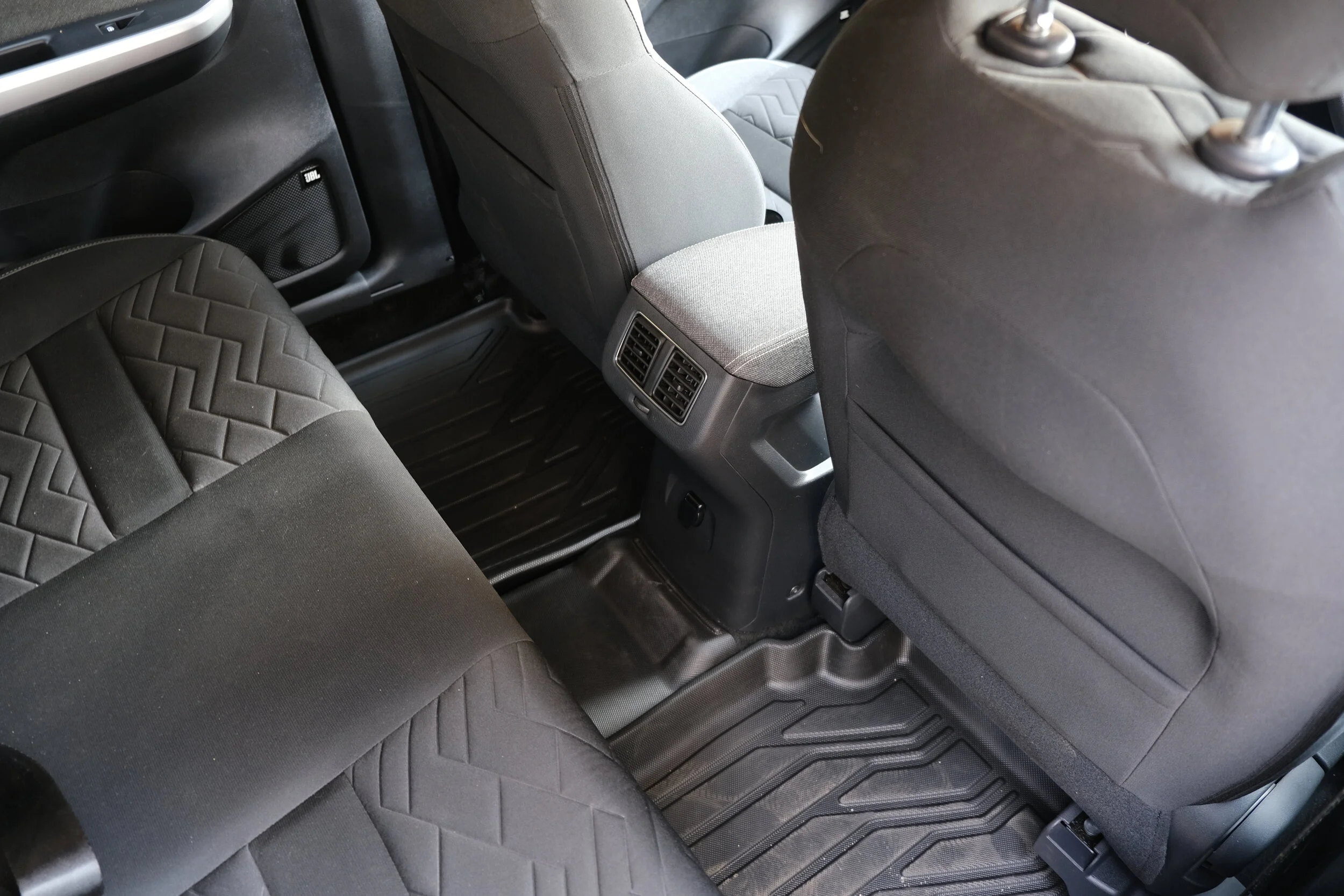
Moving on, the cabin quality might not be worth a mention, but the in-cabin space is. The boot space might be compromised a bit, but the in-cabin space is very good. The cabin on the whole feels alright, but far from exceptional or segment-leading.
Which is probably the best way to describe the Magnite, too. It’s somewhere in the middle of the segment — a safe position where it won’t be loved or loathed. What it does offer over a similarly large hatchback is space — and great value. Is it worth making a switch from a hatchback if you’ve got a good one? No. Is it worth giving this a second look if you’re in the market for a new car? YES!
Prices for the Nissan Magnite MT (1-litre Turbo) start at Rs 7.29 lakh. The CVT-equipped model is available from Rs 8.19 lakh onwards. The base Magnite (1-litre NA petrol) is priced at Rs 5.49 lakh. All of these are ex-showroom prices.