

Watching Tyre Smoke, Not the Woods
Photos: Francis Robertson-Marriott
When I think of quaint forgotten airfields, relics of a bygone turbulent era – when the notion of a European Union was as likely as Donald Trump avoiding Russian Vodka – I am immediately transported to an undisclosed, untouched rural time-lapse. A site frozen in time, where deep greens dominate the eye and Scots Pines offer concealment from ramblers and spies; with the only identifiable feature of the base being a long fence, demarcating the danger zone. Once upon a time, in the pre-designer shopping sprawls era, Bicester Heritage (BH) would have assimilated nicely with my vision of the quintessentially British RAF base.
This September, I finally came around to the 21st Century with the help of a visit to Bicester Heritage, an enterprise cluster situated on a former RAF base, made up of 444-acres of land next to much of Oxfordshire’s urban activity. Thankfully, my imagination prevailed and led me towards the adrenaline and excitement found within this unique location. It must be noted that Hilts’ treeline was still in existence, distinguishing the hustle and bustle of 21st Century urban Oxfordshire from the historical delights that lay behind. Located 60 miles from central London and within four miles of the M40, the site is the only one of its kind in the UK, and operates ticketed events on specific dates; with weekdays operating on an appointment only basis.
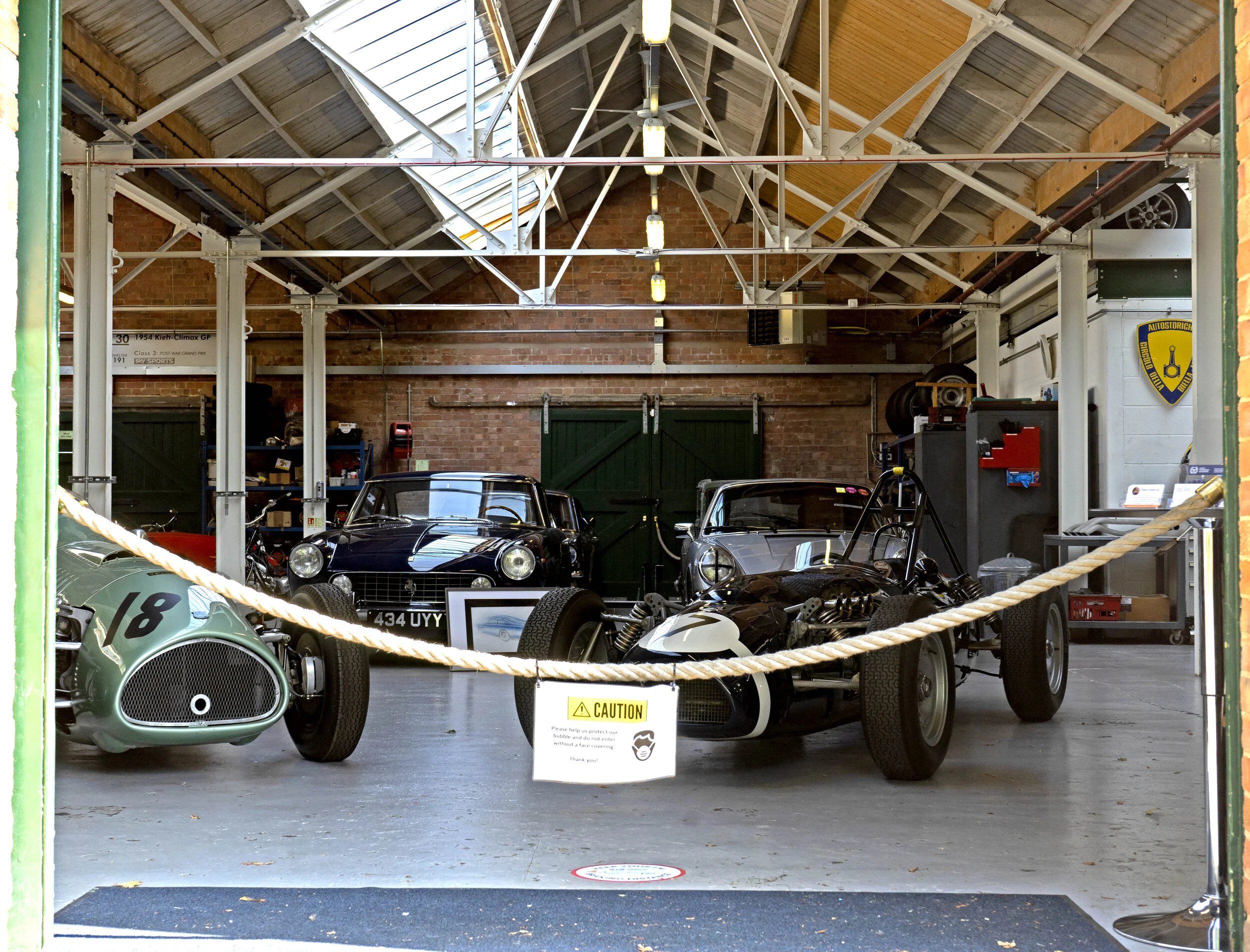
Preserving the history of this site as a British institution is clearly top of the priority list for Bicester Heritage. The airfield and former RAF base was devised by RAF founder, General Sir Hugh Trenchard, as one of nearly 100 sites from which RAF bombers could initiate offensive activities. These sites were dotted in a curve from the famed Duxford Airfield in the east, round to Salisbury Plain in the west. During World War Two, Bicester Heritage was home to the RAF’s second Bomber Command Training Group and remained solely as a training ground during the war; where young pilots and crew would train to command Bristol Blenheim bombers and Handley Page Halifaxes. As the 20th Century progressed, the RAF wound down their operations and eventually retreated from the base, with its final military involvement featuring the USAF during the First Persian Gulf War. According to the Historic England Report (2006), ‘’Bicester is the best preserved of the bomber bases constructed as the principal arm of Sir Hugh Trenchard’s expansion of the RAF from 1923. It retains, better than any other military airbase in Britain, the layout and fabric relating to both pre-Thirties military aviation and the development of Britain’s bomber force in the period up to 1939.’
This highly acclaimed arena features 40 different automotive-related enterprises, which all propel historical motoring excellence through a culture of collaboration, education and entertainment. From classic car tyre specialists and detailing perfectionists to the Wriggly Monkey Brewery, each business is vetted before being accepted to ensure its symbiosis with the history and vision of Bicester Heritage. This process solidifies the aim of preserving the legacy of British manufacturing and innovation, through education and inclusion centred around some of the country’s niche automotive talent.
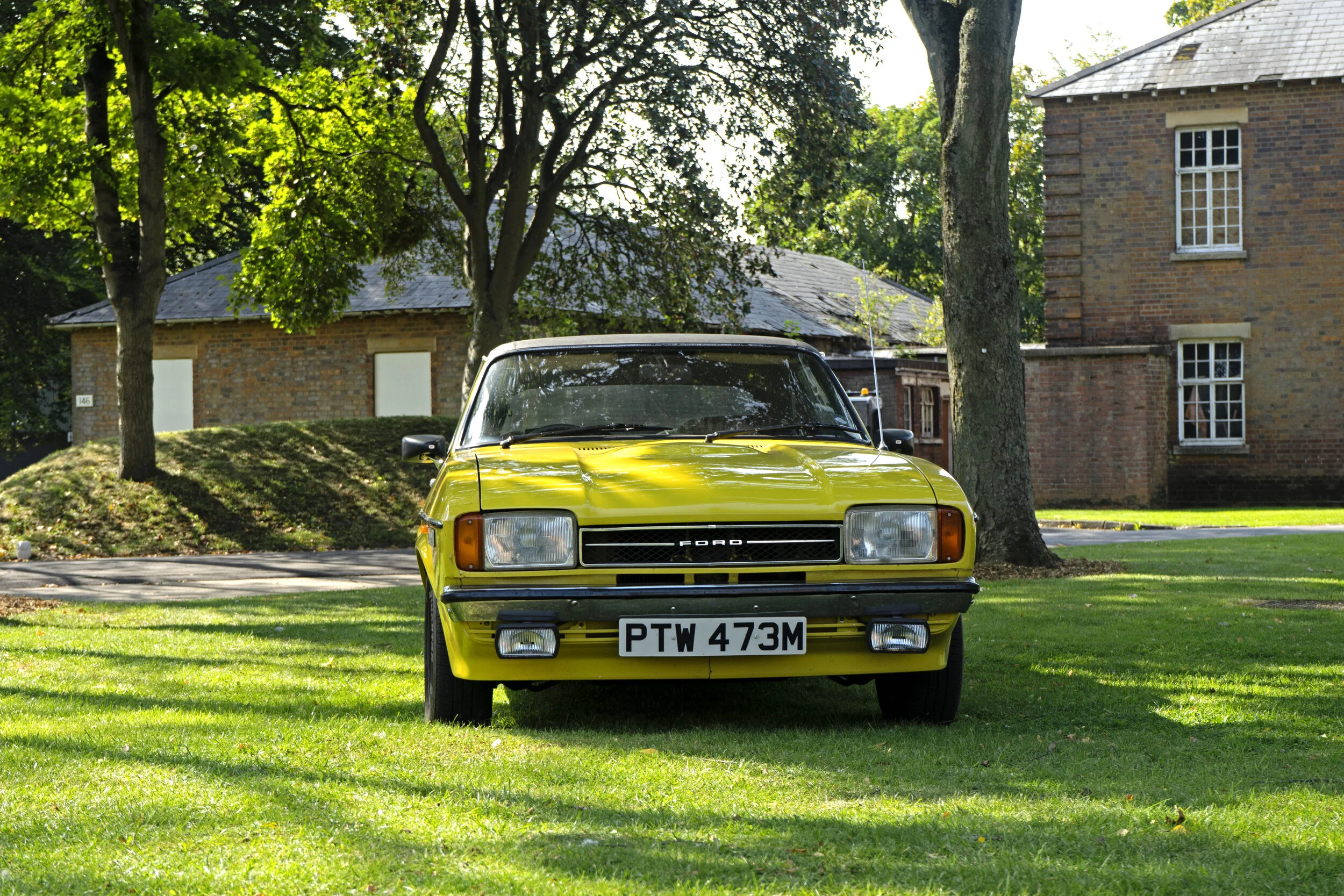
As the outro to summer in the UK commences, I ventured over to the old airfield for a new form of weekend motoring fun, organised in collaboration with Brand Events. The inaugural Classic Car Drive In Weekend features cinema-sized screens in two corners of the site, where guests parked up to enjoy a variety of staple Petrolicious films. As I drove across the fields, my view was greeted by spectators lounging on the grass, poking out of their sunroofs and lying what can only be horizontally across the rear seats, with legs flailing from wound down windows. As I ventured from our parking space, I meandered down Bicester’s very own Pall Mall, where lay a congregation of delightful classic cars ranging from Silver Wraiths to oversized American Sheriff’s wagons. While sauntering past some of automotive design’s most curvaceous vehicles, my soundtrack came in the form of cylinders combusting, tyres screeching and the Queen’s English from the base’s tannoy system. Despite the busy roads flanking the main entrance of Bicester Heritage, there remained an absolute sense of seclusion.
Refreshingly gritty and with hints of the corporate juggernauts propelling Goodwood, I nevertheless felt an absence of pretension and instead, a genuinely wholesome camaraderie, centred around this idiosyncratic location and cause. After a quick dance with the Jamaican Classic Car Club, or so I think it was named, I followed the ushering of Her Majesty’s finest vernacular, reverberating throughout the slightly crackly speaker system.
A vast site like this one coupled with some of history’s most prestigious racing pedigrees, wouldn’t be the same without vehicle demonstrations. After all, understanding the significance of motoring history is dependent on an immersive experience. For this particular occasion, a course had been laid out on a portion of the base’s tarmac – situated next to the two main hangars - to give each driver two laps to flaunt their hand-eye coordination. In the current climate, spectating at sports events is a fairly impossible achievement. Nevertheless, the organisers had cleverly devised individual pods within the barrier construction, separating families from one another, with equal consideration of line of sight. The main downside to this was getting close enough to snap action shots – and no I was not in possession of a telephoto lens. Stewards throughout the spectators' section quite rightly issued orders in Queen’s English, reminding those of their responsibility to one another. This pandemic is one of few fibres connecting us to the hardship experienced by those who once worked on the base, and the families for which they fought.
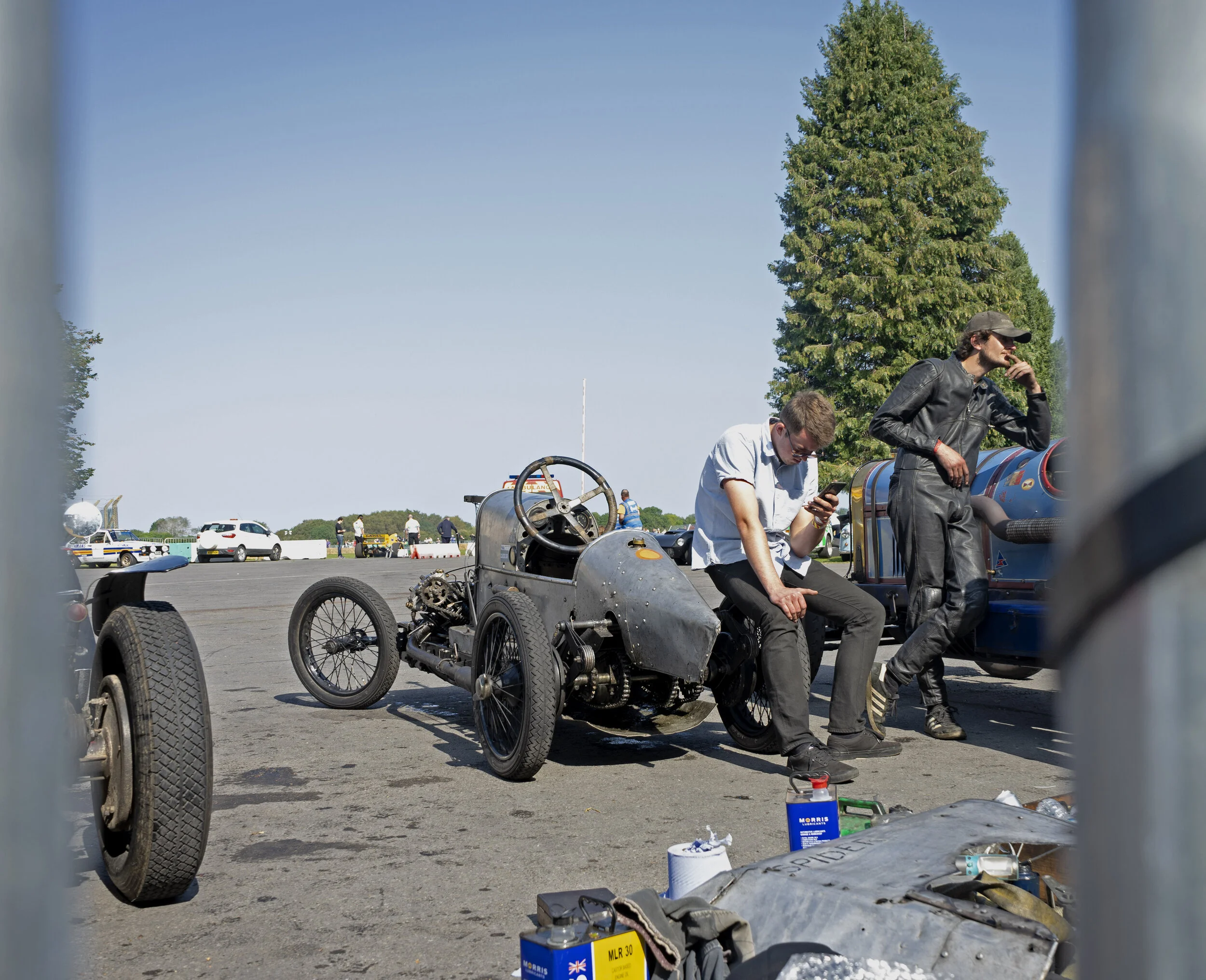
With the sun beating down on the spectators, I fixed my spot with as prime a position as could be found – the main positive of social distancing is there is no need to find a gap whilst trampling on one another’s toes. The range of vehicles taken on the temporary circuit is far too extensive to list. Some of the highlights include a monolithic 1915 American LaFrance Speedster, which started its life as a fire engine before keen petrolheads stripped them of their firefighting attributes. This beast lured in drivers with its 14.5-litre, six-cylinder engine with a bonnet most likely inspired by the Titanic. Power is delivered to the 37-inch wooden wheels via a chain drive, which was completely exposed on this example. This retired public servant could supposedly pop and bang all the way to 180km/h in a straight line. As the machine left the pits, its size gave the illusion of moving in slow motion but as it hit the straight, it fired past extinguishing any doubt of its menacing power.
Quite early on, I noticed the trio of Subarus waiting patiently to stretch their legs. Glistening in the September sun, the iconic metallic blue blanketed with sponsorships stickers teased a demonstration worth waiting for. So far most of the laps had been fairly clean-cut -- sonorous engines and rapid lines -- but nothing to elicit bursts of excitement from the crowd. Subaru Impreza 555 – 3, a tribute to Colin McRae’s rally car in which he won the World Rally Championships three times, leapt down the straight towards the second bend initiating the Subaru’s sideward shuffle. An apt move considering Chris Harris’ statement on BBC Top Gear back in February – ‘’Colin’s cars were always sideways; they were always driven to the limit and beyond.’’ It was later I learned that the driver was actually triple Le Mans 24 Hours winner, David Brabham.

Moving away from the action, I ventured further towards the enterprising heart of Bicester Heritage, following the original layout towards the base’s HQ adorned with a Bremont clock – the official timekeepers of the Sunday Scramble events. Whilst most of the original buildings still exist, some have been refurbished and added to with new units available to expand the enterprise hub. The specialist directory is indeed niche. From the main distributor of Penrite oils in the UK to classic bicycle specialists, Golden Age Cycles - who even offer probate valuations for your bicycle - to Porsche’s only dedicated one-stop-shop for everything Classic Porsche. Another important consideration is the increasing presence of media companies - those specialising in automotive activities of course. Most notably is The Road Rat Magazine - a carefully curated collection of real stories, rich in detail, imagery and validity - which is a must-have for the automobile advocate. Despite the reported demise of print in recent years, The Road Rat has established an enormous following over the past few years with their quarterly prints. Their recent move to Bicester Heritage further confirms the demand for traditionally produced products, whether that be wheels or printed car magazines.
As I continued my wander around the grounds, I was delighted to find vehicles carefully placed around corners, concealed by buildings and lonesome trees. You could spend hours on the process of discovery. It is very rare that you come across a De Tomaso Pantera, especially considering the company only made 7,000 examples over a 20-year production period. This 1970s member of wedge royalty finished in a classic racing red, garnered smiles so wide from visitors that the Joker would be put out of work. A more personal and discreet icon was the Citroen CX Turbo Estate sporting a metallic purple-brown fusion, accentuating the galactic angles from Citroen’s sci-fi focused designers of the 1970s. This estate had enormous utility thanks to its immense boot capacity, promoting reproduction with the ability to seat 7 francophones in the Familiale edition. Couple this with the sharp shape and discreet power packet, the CX definitely should have been Hannibal’s choice of vehicle. No doubt Dracula would have also utilised this iconic vehicle for his misdemeanours.
After a quick pint at the Wriggling Monkey Brewery, I was struck by the tranquillity of the location; everyone had a smile on their face and clearly shared the sentiment. The enterprises based at BH have also become known for their commitment to training and educating the future generations – Heritage Skills Academy takes on ‘Classic Vehicle Restoration Apprentices’, training apprentices up to eventually work for vehicle specialists throughout the UK. Upon your visit you will see The Wriggling Monkey Brewery’s 1930 Model AAF, which recently benefited from a full overhaul by apprentices at the academy.
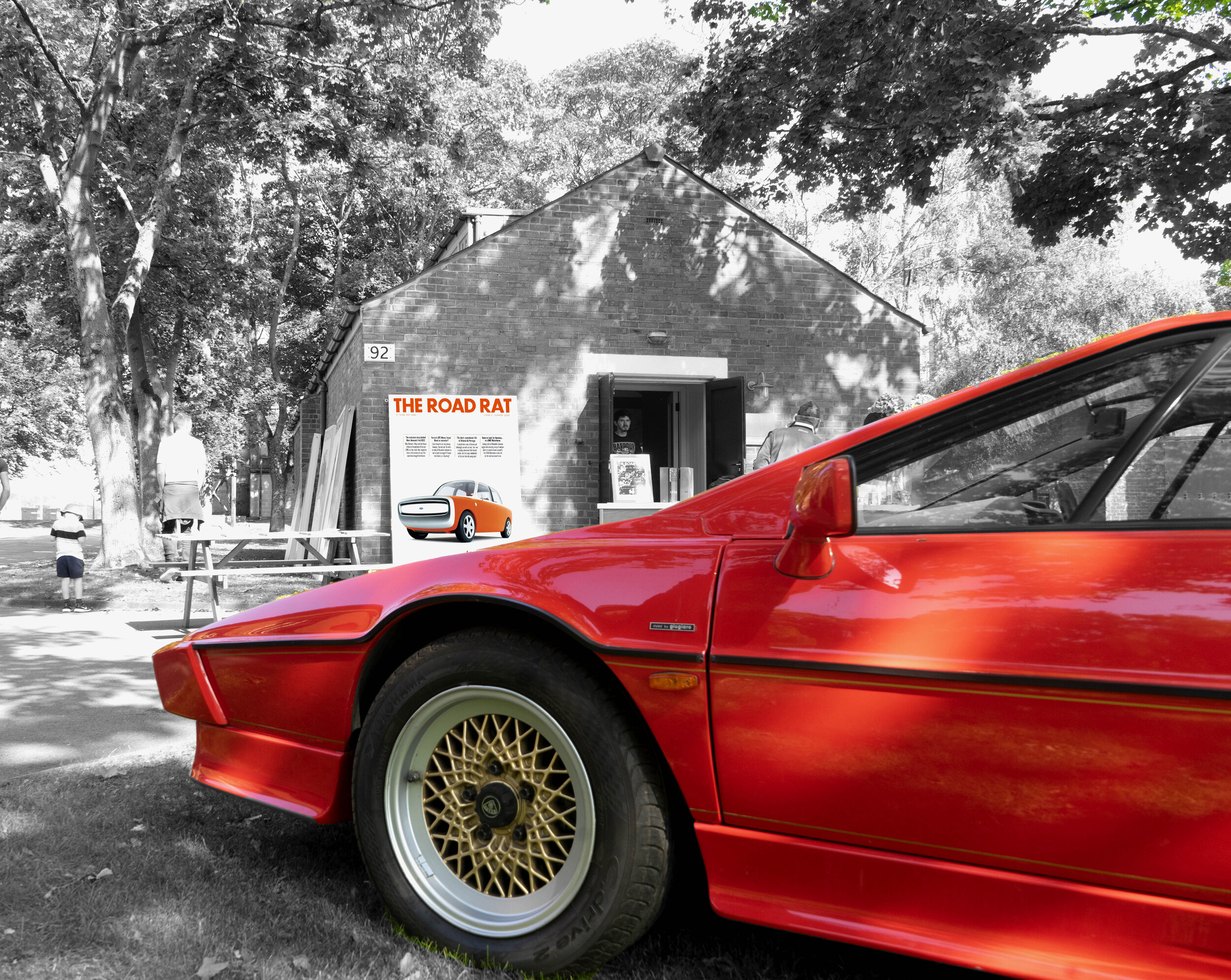
The immersive intensity of Bicester Heritage has set the precedent for the next stage of development: Bicester Motion. The Road Rat Magazine recently interviewed with the face of BH, Daniel Geoghegan, who has outlined an ambitious plan to create an automotive dreamland consisting of a hotel, a ‘brand experience centre’ with a track, a ‘technologies hub’; and the motor ‘vaults’ where customers can house their extensive collection. All of this seems on par with the corporate giants at Silverstone Circuit, however, Geoghegan has emphasised that the keyword is ‘Motion’. As they move towards a lifestyle arena, with less emphasis on petrolhead-ism in favour of cycling, off-roading and enjoying the greenery. The destination will fuse preservation with education, health and wholesome family experience. As the pace of the event began to wane, I took a moment to explore the event’s vendors selling all sorts of products – I was heckled by a man with car upholstery polish begging to demonstrate his product on my Norton boots. I declined.
As I meandered on through, I encountered Electrogenic, one of an increasing minority of new organisations offering to convert your classic car’s throaty combustion powertrain into a silent, waspy rocket. The debate around this process continues to shatter friendships, but there is clearly a market for this form of refurbishment, as we have seen with Lunaz over at Silverstone and Electric Classic Cars in Newtown, Wales. As illustrated with Electrogenic’s 1964 T2 ‘Marmite’ Campervan, enthusiasts will either love or hate the electro-classic revolution.
Mounting up to depart, it occurred to me that in this ever-increasing digital age, we must remember the joy and importance of knowledge exchange enabled by these sorts of events. The advent of social media and algorithms is no replacement for this experience. My main fear is that future generations will come to favour virtual versions, ‘tuning in’ for a pseudo-live experience. With that in mind, I’m grateful for the opportunity to have visited, particularly as the pandemic has forced Bicester Heritage to cancel their Sunday Scramble this October. Keep your 2021 diary open, as it could be next year before we can return to this delightful spot.
You can follow Francis on Twitter by clicking here
