

Mahindra Bolero Neo First Drive

It’s hard to believe that the original Mahindra Bolero was brought out in the year 2000, that is twenty one years ago. It might’ve shared a fair bit with the Armada Grand, but developed with an investment of just Rs 20 crores, it seems to be quite an achievement. That investment figure is remarkably low, I know, but the fact is Mahindra didn’t need to change much. Such has been the frugality associated with the brand that churning out new products doesn’t always require it to start from scratch. That’s something Mahindra has exhibited with the 'ALL-NEW' Bolero Neo, too.
Before we get into that, especially for readers not familiar with the Mahindra Bolero, here’s a quick recap. Mahindra, before moving slightly upmarket with the Scorpio and the XUV, was busy making cars that pleased the rural market and didn’t stray too far from whatever the carmaker had learnt by manufacturing/assembling licensed Jeeps in India. So when the Bolero entered the scene, replacing the Armada Grand (for reference, think Willys Station Wagon but not as charming), it was a culture shock for a lot of prospective buyers. I remember seeing its quarter-page advert in one of the newspapers, and it did leave a lasting impression. But while the Bolero, over various generations and models, stayed a favourite in the rural and tier-II cities, it also found some love from genuine off-road enthusiasts. It is clear that the Bolero as most of us know will leave large shoes to fill for its successor.
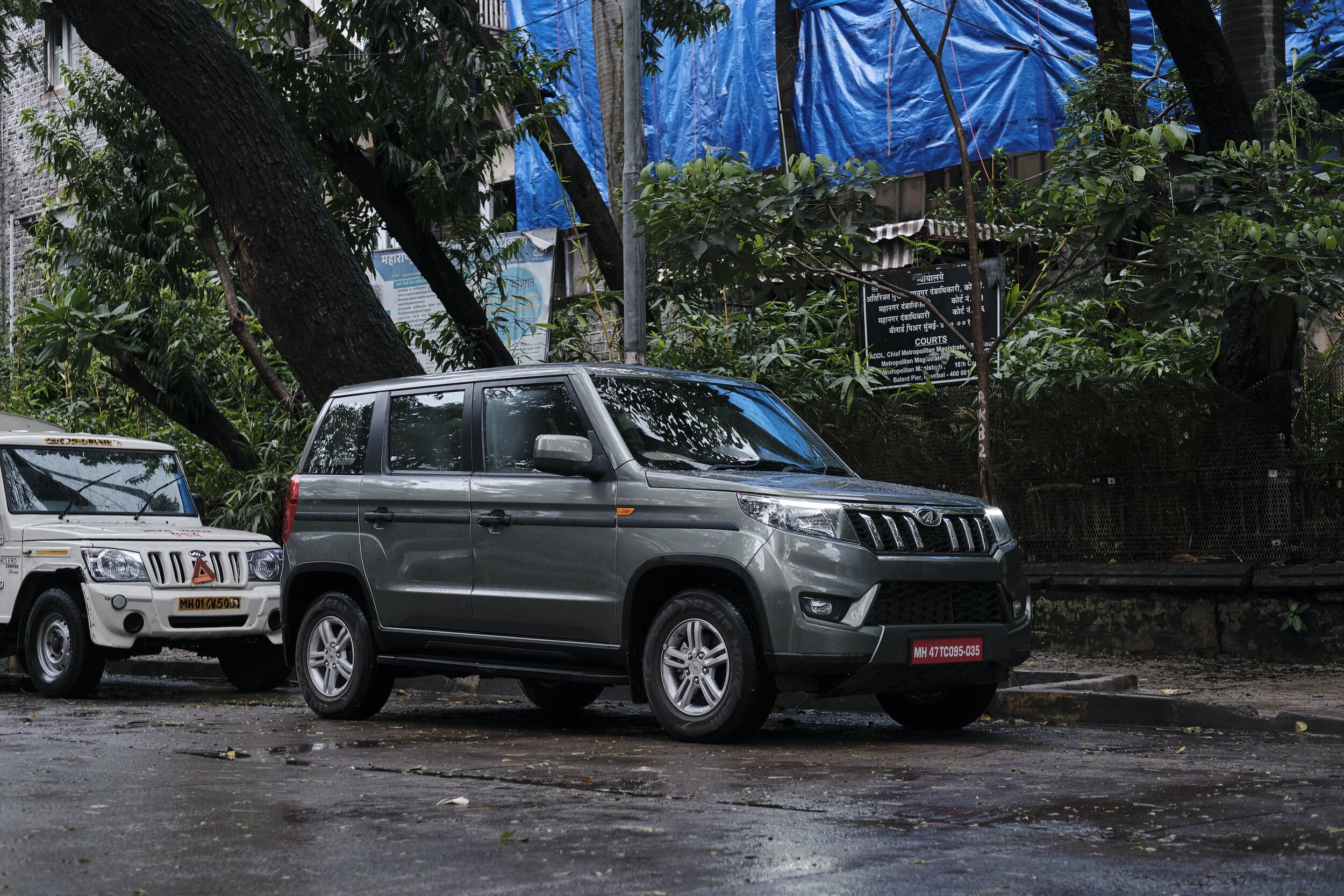
And the Bolero Neo, while not exactly replacing the actual Bolero, does have some extra responsibilities, too, for it carries a name that’s found a lot of liking in the last two decades. Mahindra doesn’t want to pull a Maruti Suzuki Zen Estilo with this one. And by the looks of it, they haven’t. The Bolero Neo replaces the slightly less-successful TUV300; a vehicle that was positioned to make the most of the sub-four-metre tax benefits and to rival new hatchback-based crossovers. Mahindra relied largely on space and ride comfort (especially on bad roads), and that remains unchanged on the Bolero Neo. The only difference is that as a product it seems to be better than before.
The heart of the matter isn’t the name, but the 1.5-litre, three-cylinder diesel engine. It debuted with the Quanto, the first sub-four-metre SUV by Mahindra, which like most other Mahindras that replaced it/tried to occupy the same spot, turned out to be a market disaster. While we should forget the Quanto (imagine Fiat making a Panda Cross and bestowing it with the balance of an inebriated teenager ), its engine has lived longer — and not without reason. It makes 97 hp and 260 Nm (or 191 lb.ft.), but its overall refinement and tractability can’t be faulted, although it’s not quite the segment-best. In the way it drives, it’s a huge step up from the Bolero, but it doesn't get the optional all-wheel drive or the utilitarian, rugged appearance of the standard car. If that’s something that bothers you, you might need to look at the upcoming Scorpio or the new Thar. Or even an old Bolero/Invader. Off-road enthusiasts liked the early Bolero because they could swap everything from the engine, gearbox, etc. and convert a basic-looking people mover to a solid off-road-ready machine. That won’t be as feasible on this one, though.
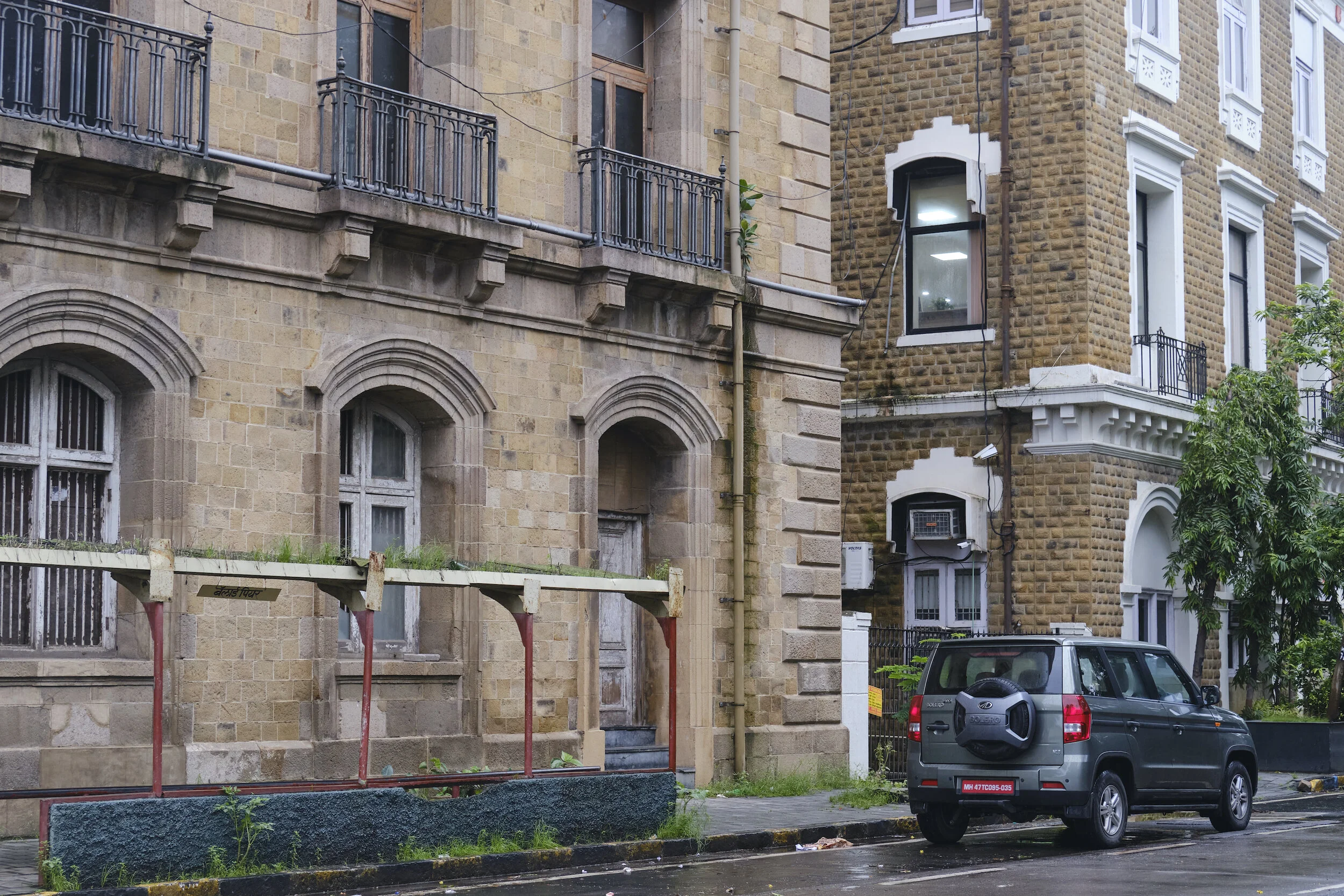
Where the Bolero Neo shines is in comparison with hatchback-based crossovers. On less than perfect roads, where these cars compromise, in a bid to offer a balance of both the ability to absorb bumps and a stable high-speed ride, and as a result never have a sorted ride, the Bolero glides over everything. Everything from large potholes to speed bumps is handled with ease. It's not that its body composure allows one to carry more speed over them, but its suspension is supple enough to ensure that the occupants stay unperturbed by the lack of good roads.
What your co-passengers will complain about is the lateral body movements the Bolero Neo suffers from. It’s not excessive by any means but if you’re coming from a more civilised form of transport, then it might take them some time to adapt to the Bolero Neo’s habits. However, from the driver’s seat, where one tends to understand the car better, the Bolero Neo doesn’t disappoint, especially for what it is. The engine, as I mentioned earlier, is the star of the show, and everything else is complementary, in that regard.
The torque-rich engine and the smallish dimensions of the Bolero mean Mumbai traffic, the perennial roadworks, erratic commuters, etc., don’t cause any obstruction in its ability to travel. And despite setting the lowest seat height, it’s easy to have a commanding (and a touch nausea-inducing) view of the road ahead, which does help in negotiating it through small gaps. The steering isn’t overly light and it does have some weight to it, ensuring that you don’t turn more than you ought to. Like the one on the Dacia/Renault Logan; lifeless but not excessively light. And that just about works, in this case, too. Mahindra’s party trick on the Bolero is a mechanically locking diff at the rear, which senses a difference in rotational speeds, engages, and directs the drive to the wheel which has traction. In a segment that has no AWD/4x4 choices, that’s a neat inclusion.
Your approval of Mahindra’s decision to include the Neo in the Bolero lineup depends on how highly you thought of the Bolero in the first place. To a die-hard fan, this mightn’t be a Bolero replacement (which it isn’t; it’s a modified version of the TUV300 with different looks and features list), while for others, it’s just another product in the sub-compact-SUV segment. Mahindra didn’t pull off a ‘Zen Estilo’ with this one, that’s for sure, but instead toned the TUV300 down and turned it into a practical and appealing car, which is way more rounded than ever. And as a result, the brand managed to further streamline its portfolio.
What I like:
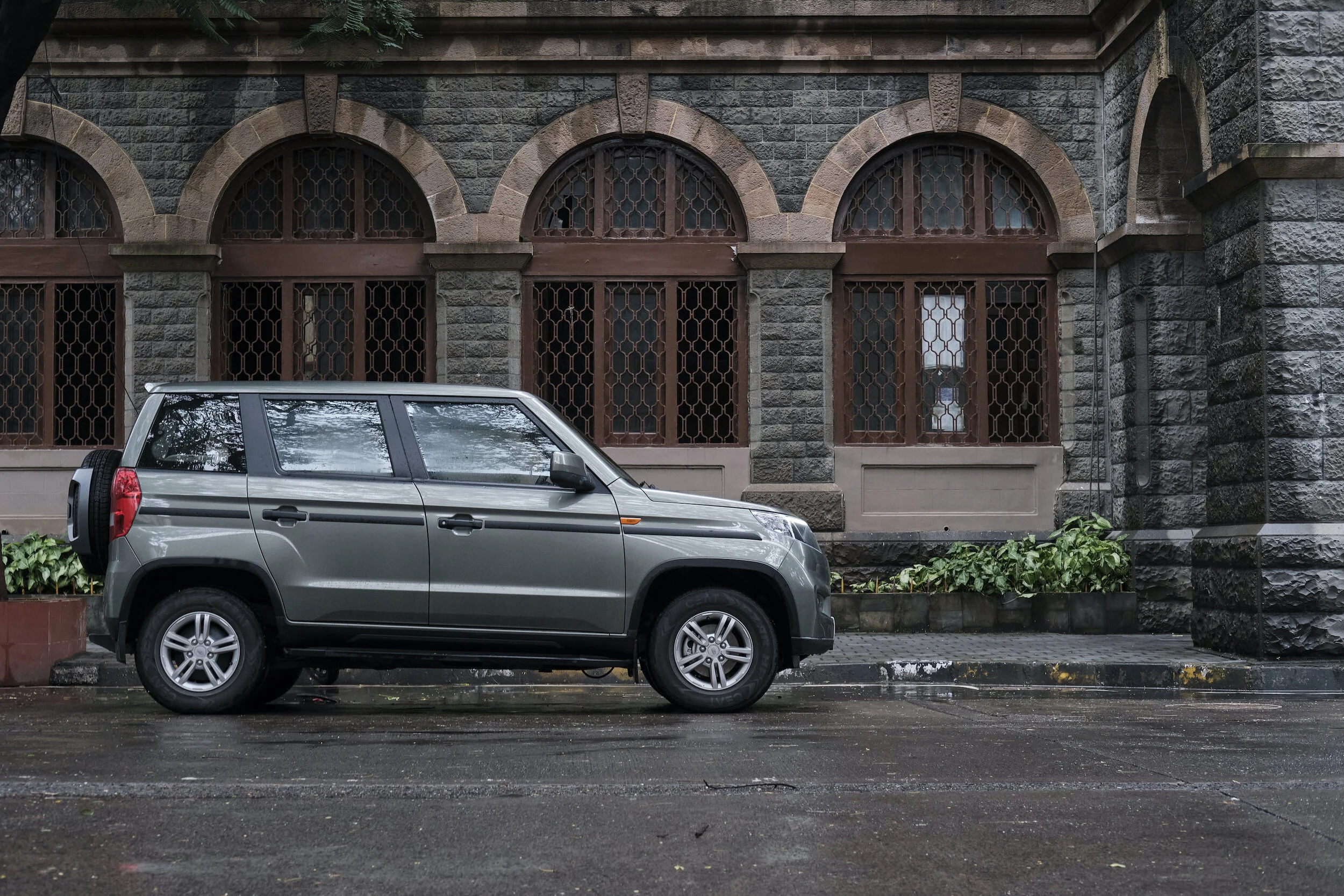
It’s an easy car to drive and is expected to be equally trouble-free to live with. Its performance is mediocre at best, but that’s good enough for everyday use. Given how atrocious a fully accessorised TUV300 can look, this one is not too bad, if a little plain. Mahindra has done a lot of work on the TUV to make it the Bolero Neo, and that shows. The cabin is lower and so is the bonnet, which means it’s a touch more car-like in comparison to the TUV.
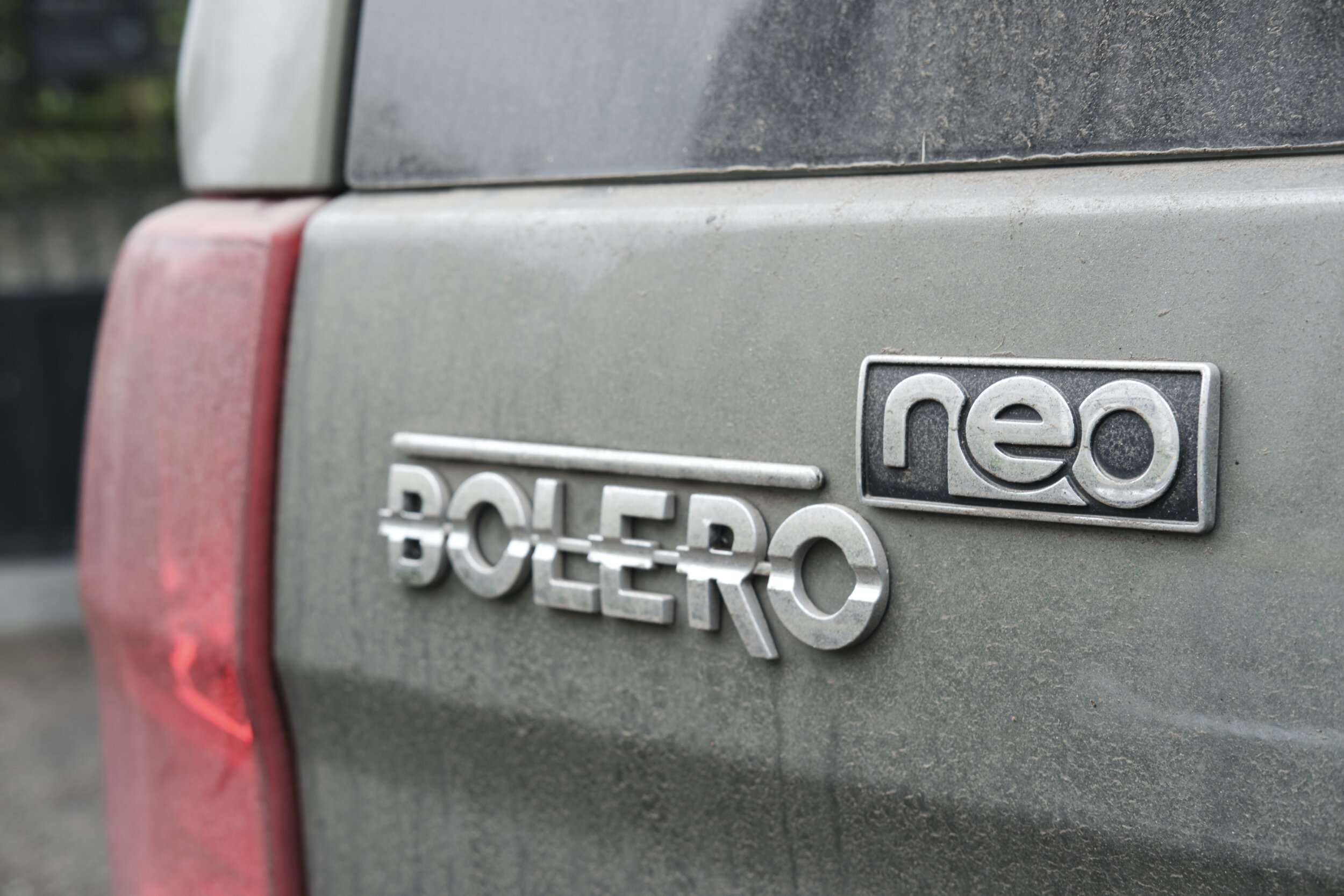
The inclusion of an MLD gives it an edge, which in addition to overall space and the ability to tackle bad roads, makes it a product worth considering if you’re shopping for a small crossover SUV. It shares its platform with the Thar, and while not as robust-looking or off-road-orientated, it makes for a good, practical alternative. Especially if it’s the primary car.
The engine is a strong point, and it has enough grunt for most everyday scenarios. It’s a solid performer at low/urban speeds and will be just about okay for motorway cruising; in case you’re wondering, it does get basic cruise control, too.
What I don’t like:
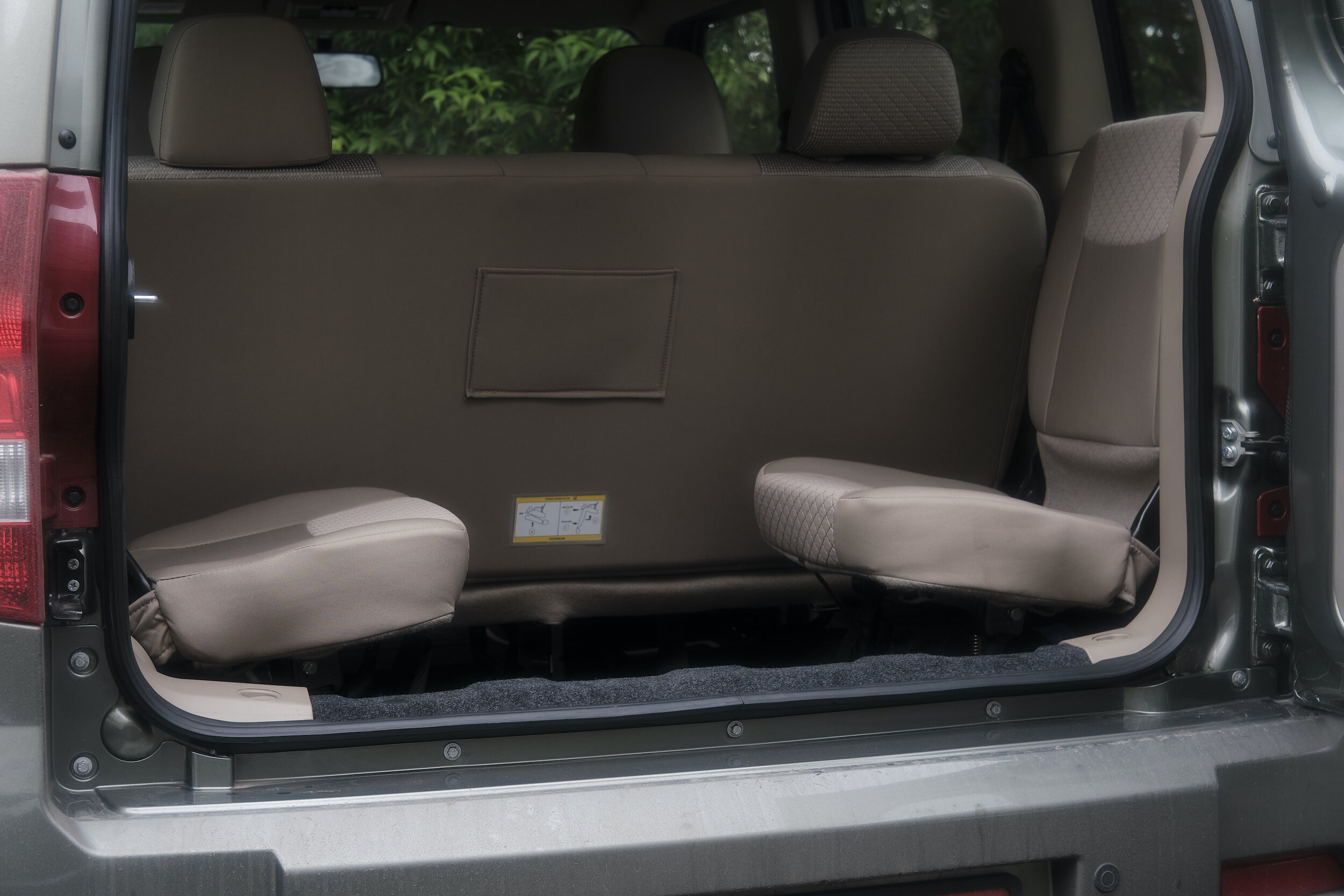
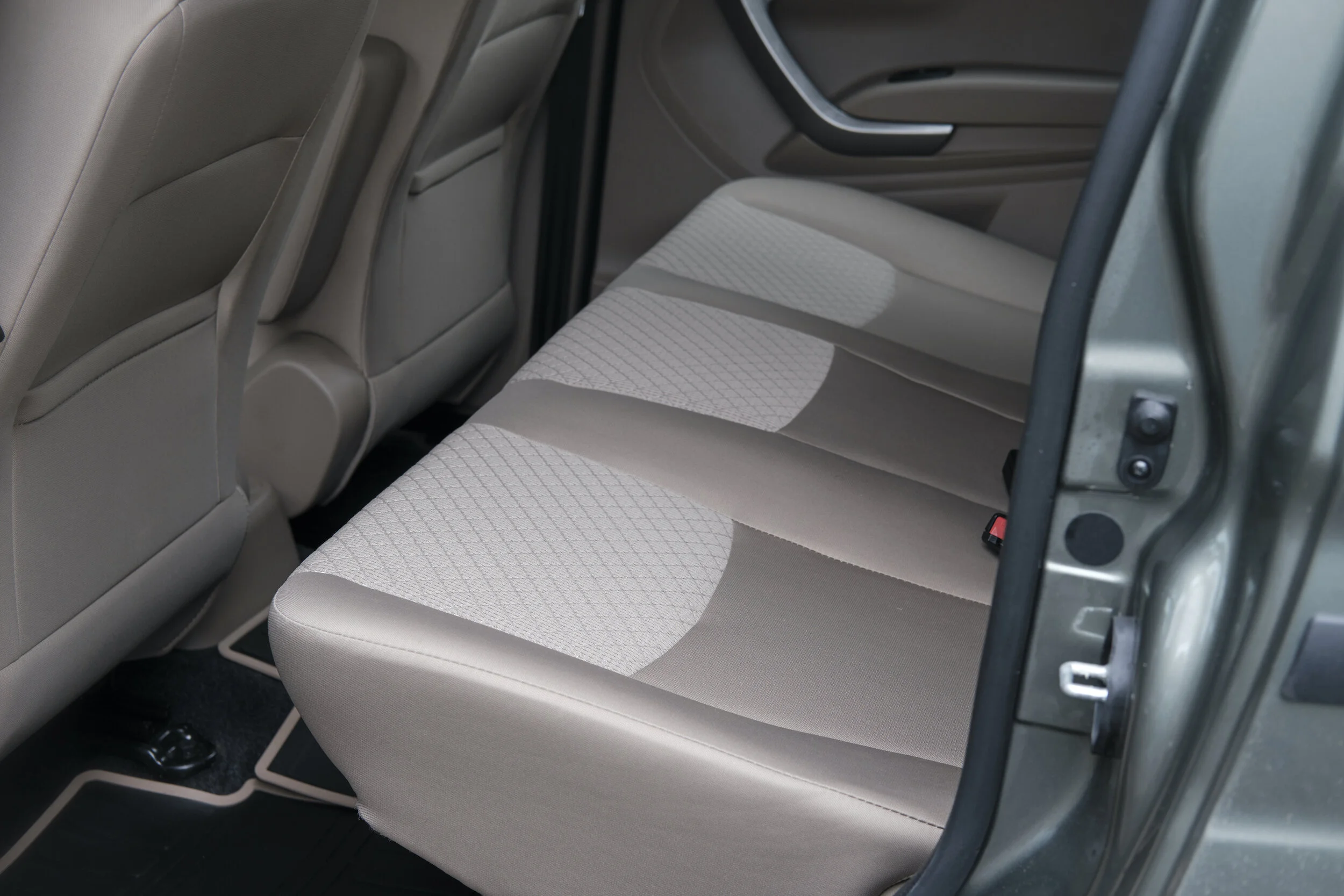
The overall fit/finish isn’t in the same league as others in the segment. While the space is better than most rivals, Mahindra could’ve binned the two jump seats at the rear and moved the second row backwards. Talking of the two seats at the rear, those aren’t safe not just because of the proximity to the tailgate but also because of no support to the neck (a headrest wouldn’t have done anything); and there are no seat belts, either.
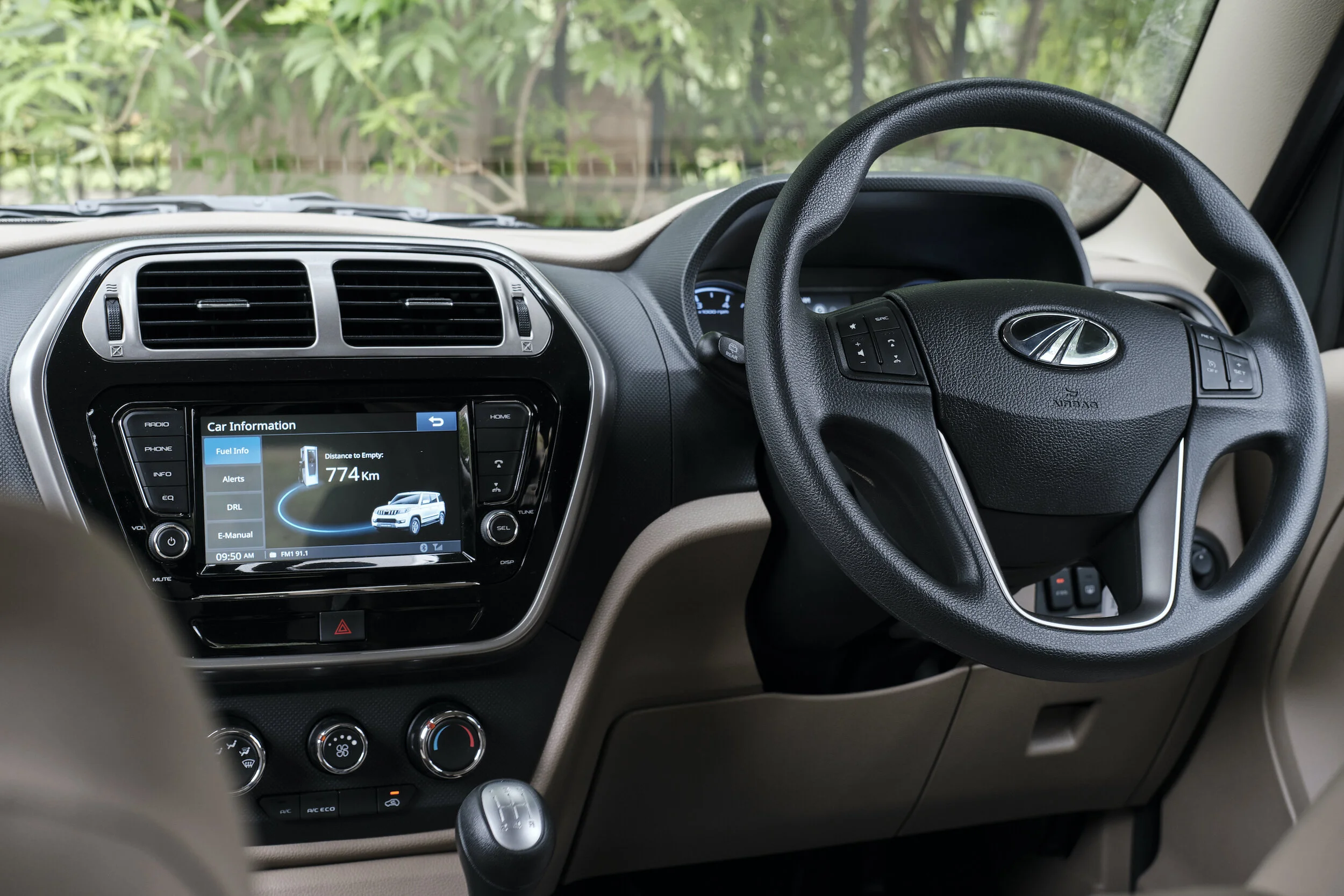
The omission of certain features is alarming. It gets only two airbags (for the front occupants only), no Apple Carplay (or Android Auto) connectivity, or other things like wireless charging and sunroof that the rivals happily offer. Even something as basic as a reverse parking camera isn’t included. But then the factory audio system isn’t great, so if someone’s buying it for personal use, they’re most definitely going to get a better-sounding unit (and a reverse-parking camera).
Like other Mahindra cars, apart from maybe the XUV300 and the Marazzo, the Bolero Neo is full of ‘Mahindra’ idiosyncrasies. The usual tacky bits need to be shown the door here, too. The AC is powerful but the rear doesn’t get AC vents, although if you’re okay without that, you’d appreciate that the rearmost window does open, albeit only slightly, almost reminding the jump-seat passengers of the owner’s lack of respect for them. The second row might not be the worst of the Neo’s seats, though, but it needs more cushioning and a touch more legroom.
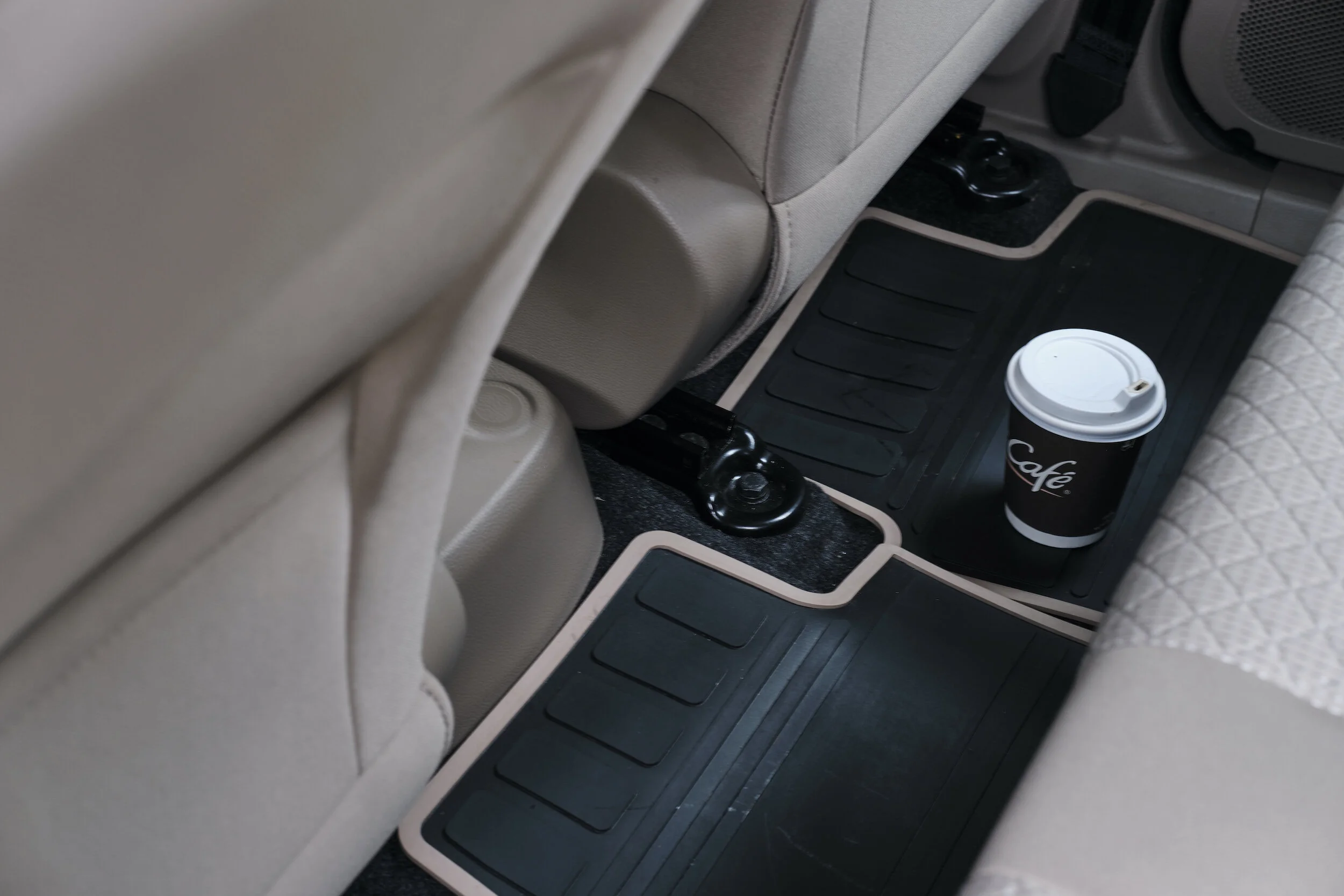
The lack of cup holders is also a concern because while there is space on the centre console unless it matches the girth of your cup, you’ll have coffee all over the cabin. Topping the list has to be the gradient sticker, which someone thought was a cool way to make the black pillars gel with the rest of the body; but it isn’t.
Final thoughts
Mahindra is undergoing a transformation right now; it has a range of new products lined up for launch, and by the looks of it, we’re going to see Mahindra direct more of its energy and resources into products that it’s great at — SUVs. Amidst all of that, the new Bolero Neo looks like a fitting product. It streamlines Mahindra’s product line. Just that Mahindra needed to spend a bit more time polishing it.
It might be far from perfect, but it’s likeable, practical, and almost everything you’d expect from a more modern, mini Bolero. Think that’s not a bad start at all.
Prices for the Mahindra Bolero Neo start at Rs 8.48 lakh onwards. The vehicle tested here, the Bolero Neo N10 (O) is available at Rs 10.69 lakh. All prices are ex-showroom. Some possible inclusions that can help Mahindra widen the Bolero Neo’s appeal can be airbags for the second-row passengers, a better audio system, and the optional auto-mechanically locking diff in lesser variants.
Photos by Paranjay Dutt, shot on the Fujifilm X-T3