

The curious case of VW Polo - India
Do you remember The Curious Case of Benjamin Button, the Brad Pitt film (adapted from Fitzgerald’s novel) in which he ages backwards? The VW Polo is exactly like that. But only for the brand that makes the car. For everyone else, it’s a car desperately in need of a thorough update. And anyone who suggests that it’s fair for VW to sell a slightly refreshed version of a car that was originally introduced more than a decade ago has missed the point entirely. For the Polo though, all this is just drivel — or was, as Volkswagen penned a nice farewell note to the car and bid their goodbyes sometime in 2022. This story is a mere recollection of the time I spent with some of the final iterations of the made-in-India Polo and its booted sibling, the Vento.
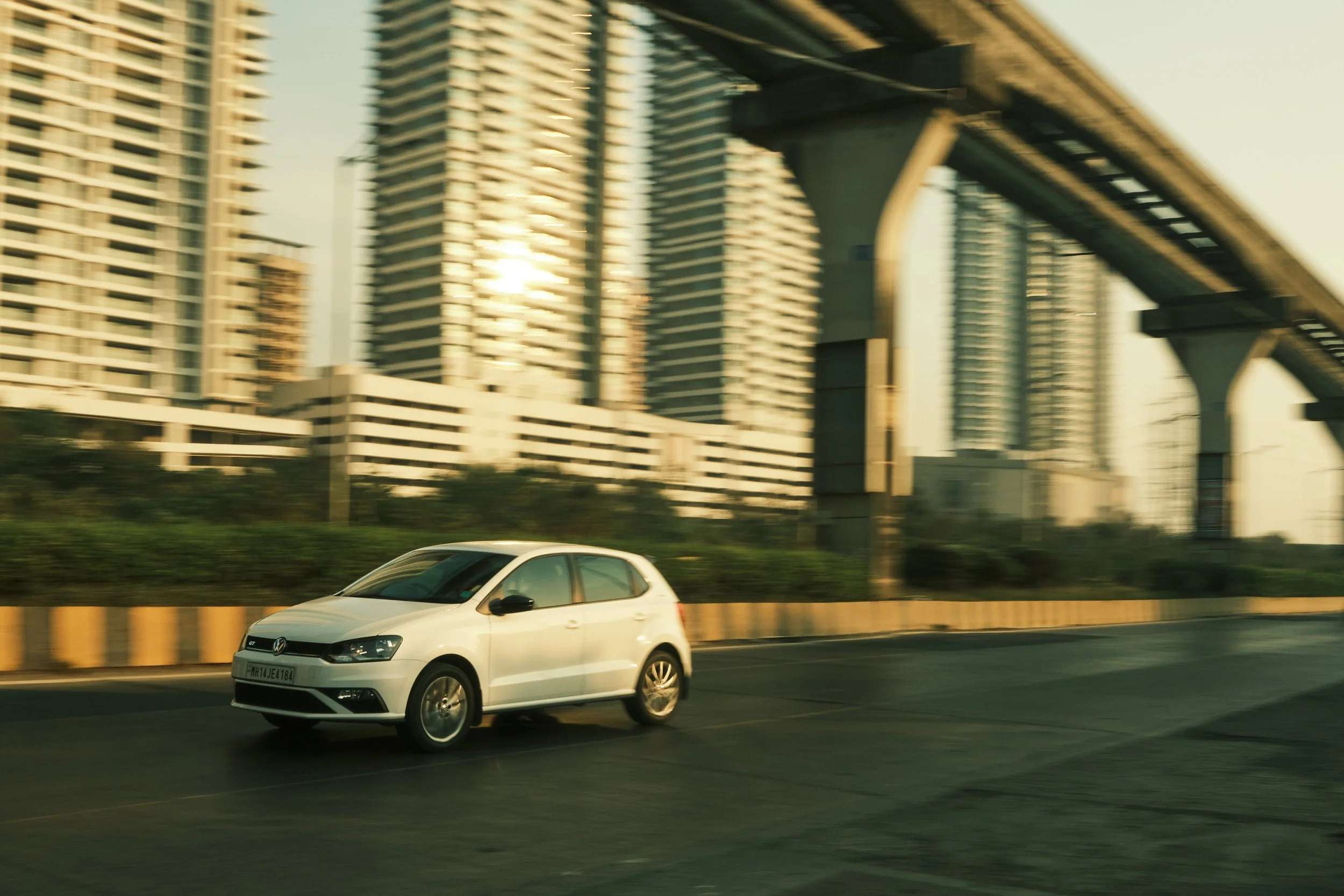
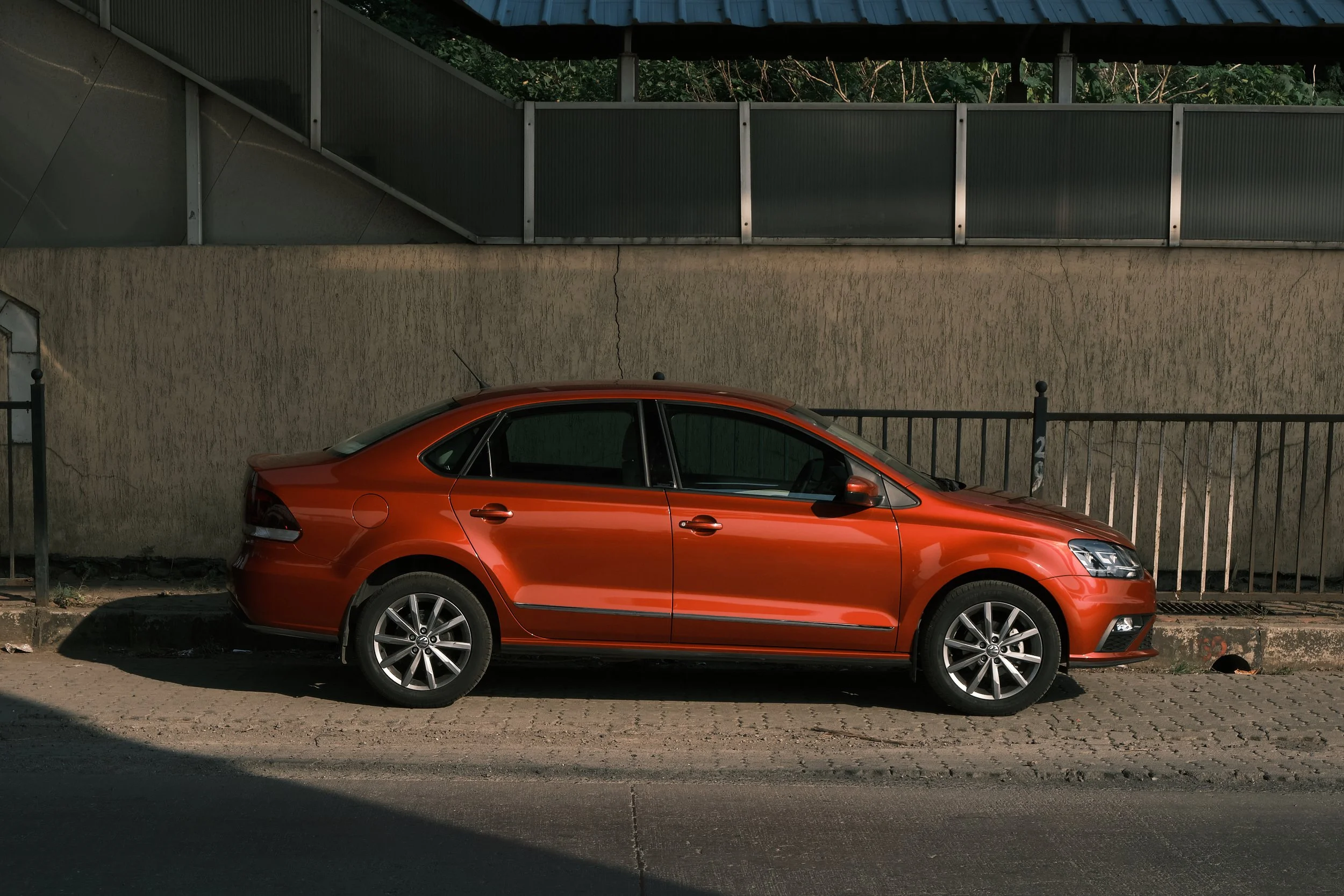
There’s no doubt that it looks and feels old, but it doesn’t lack confidence. Call it the lack of self-awareness, but it’s not untrue that there’s an absence of good cars in the segment, or at least those which exude the kind of build quality that only the Polo apparently had. This made choosing the Polo over others remarkably easy. Unless you were looking for rear-seat space, because that in the Polo hatchback is fairly paltry. We’ll come to the Polo-based saloon, the Vento, a little later.
But first, why are we talking about the Polo? Well, because Volkswagen has left a Polo-shaped void in the market as they withdrew the car after keeping it on sale for a longish 12-year period, in 2022. The final cars that were sold were the Polo (6C) and the corresponding saloon, the Vento. The sub-four-metre VW Ameo (don’t ask why it existed; it’s a daft regulation forced down carmakers’ throats by the local governing body) was shown the door a little earlier.
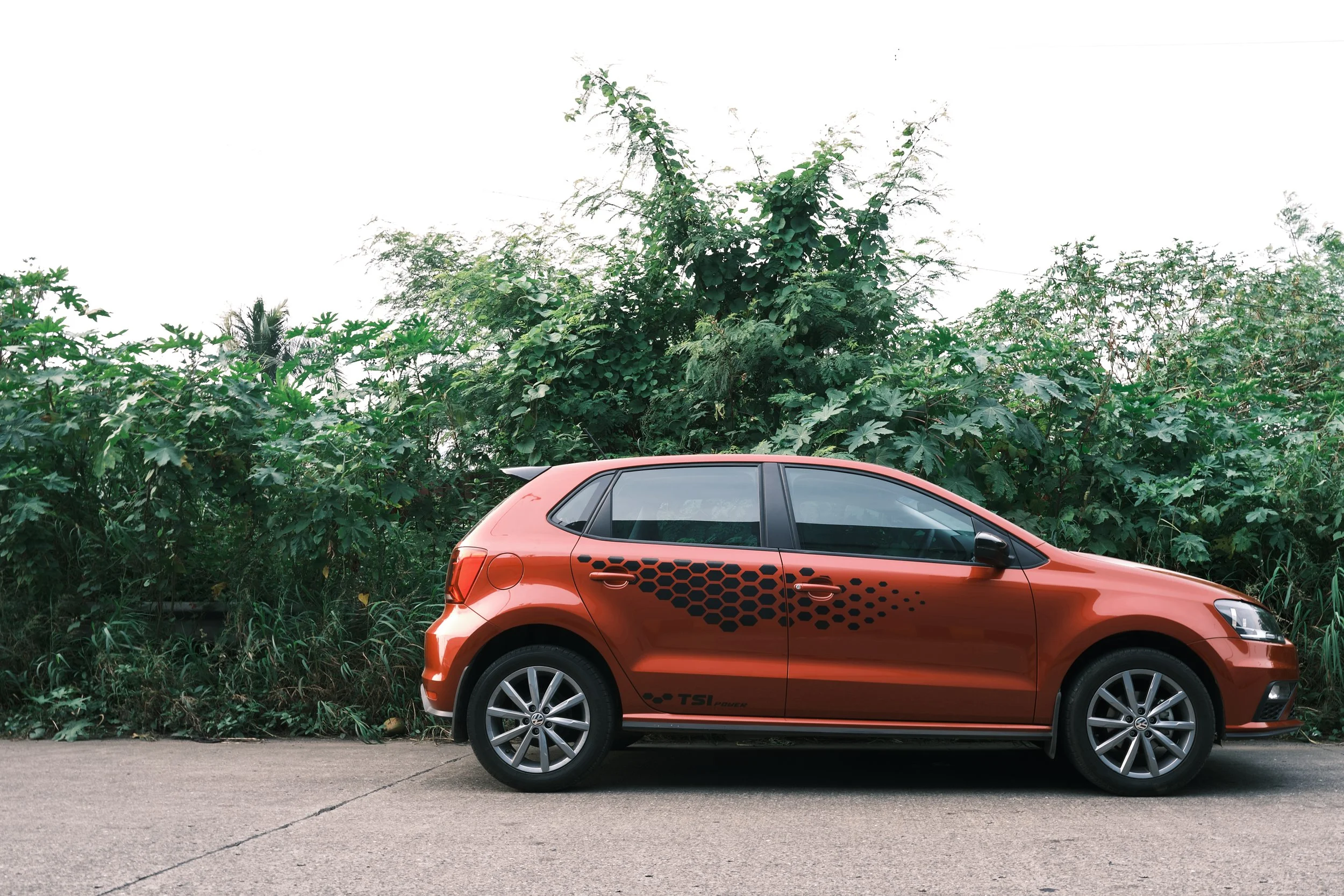
For the final iteration, Volkswagen had made a few changes to the car, like the inclusion of a smaller 1-litre turbocharged petrol engine, an optional torque convertor gearbox (instead of the quicker dual-clutch 'DSG' gearbox), and some new bumpers and lights. The latter were hardly noticeable; the aftermarket choices were present in abundance to make these exterior enhancements irrelevant. But as far as factory specs go, these two still looked presentable.
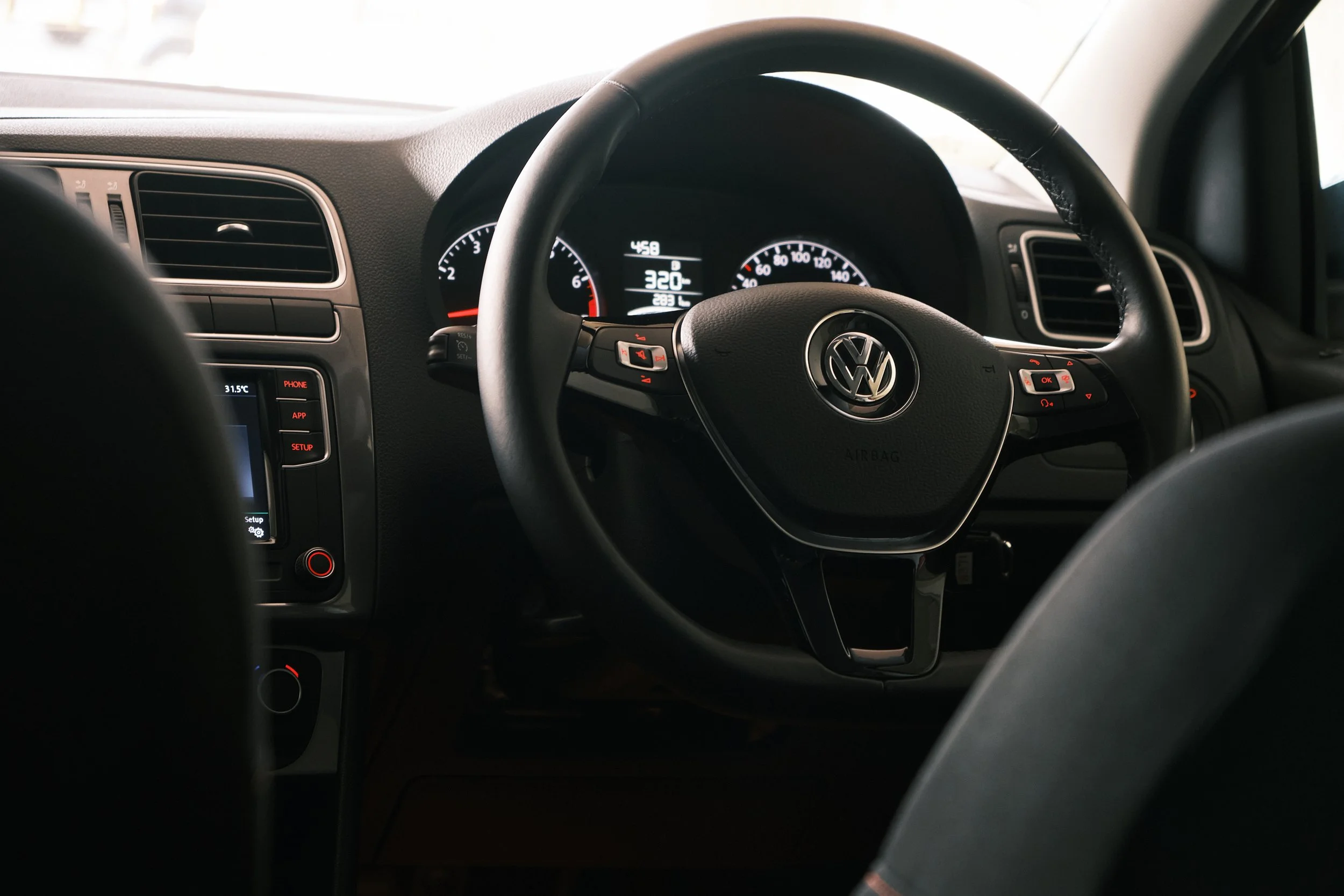
The standard features hadn't changed much, either. The Polo still got two airbags, ABS, and traction control on the AT, among other things. The Vento, on the other hand, had up to four airbags, in addition to the standard features list. There was a touchscreen audio system, too, which albeit feeling a little old, much like the Polo/Vento, did its job well. A quick point I’d like to add here is that while Volkswagen might have been more confident with their product than others, bring something else from its era like the Grande Punto, and you’ll begin to see where the 'new' Polo falters. The thud of its doors is hollow in comparison, and the fit and finish (where the Grande wasn’t the best, either) is strictly mediocre. I remember the earlier examples to be much better.
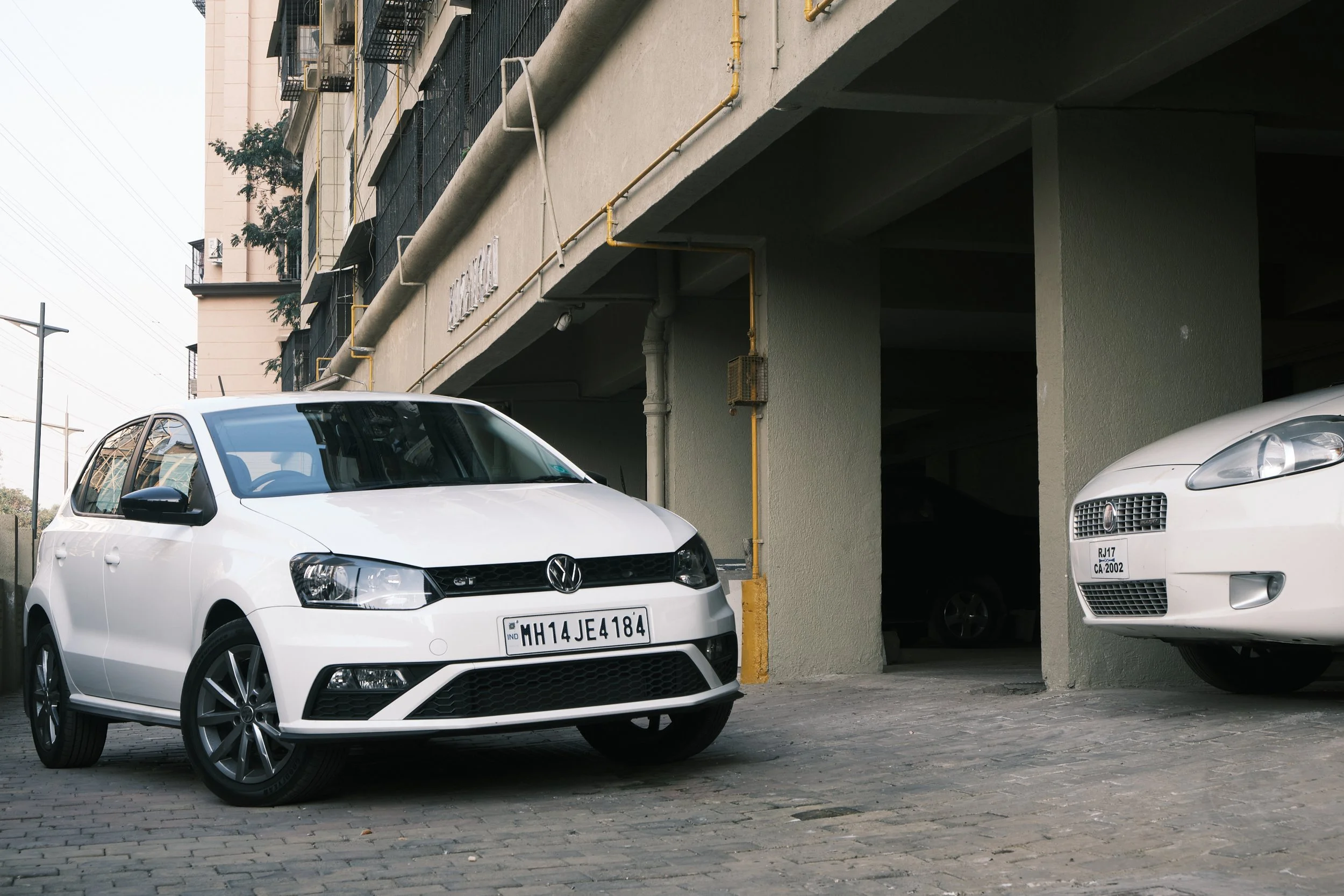
What did not change in the last few years of increased localisation was how well the Polo drove. The steering felt light but receptive to inputs, the chassis offered good mechanical grip and confidence, and the brakes seemed okay. The suspension was still not as sorted out as I’d like, and if I were in the market for a Polo, I would happily swap the standard dampers and springs for a slight upgrade. The thing about driving the Polo is that while being good fun, it feels like a grown-up car. Even when it’s trying hard to be the automotive equivalent of a Terrier, its composure is brilliant for its size, its overall demeanour can still put many a similarly expensive crossover to shame, and even on apparently cheaper parts than it originally with over a decade ago, the Polo never feels bad.
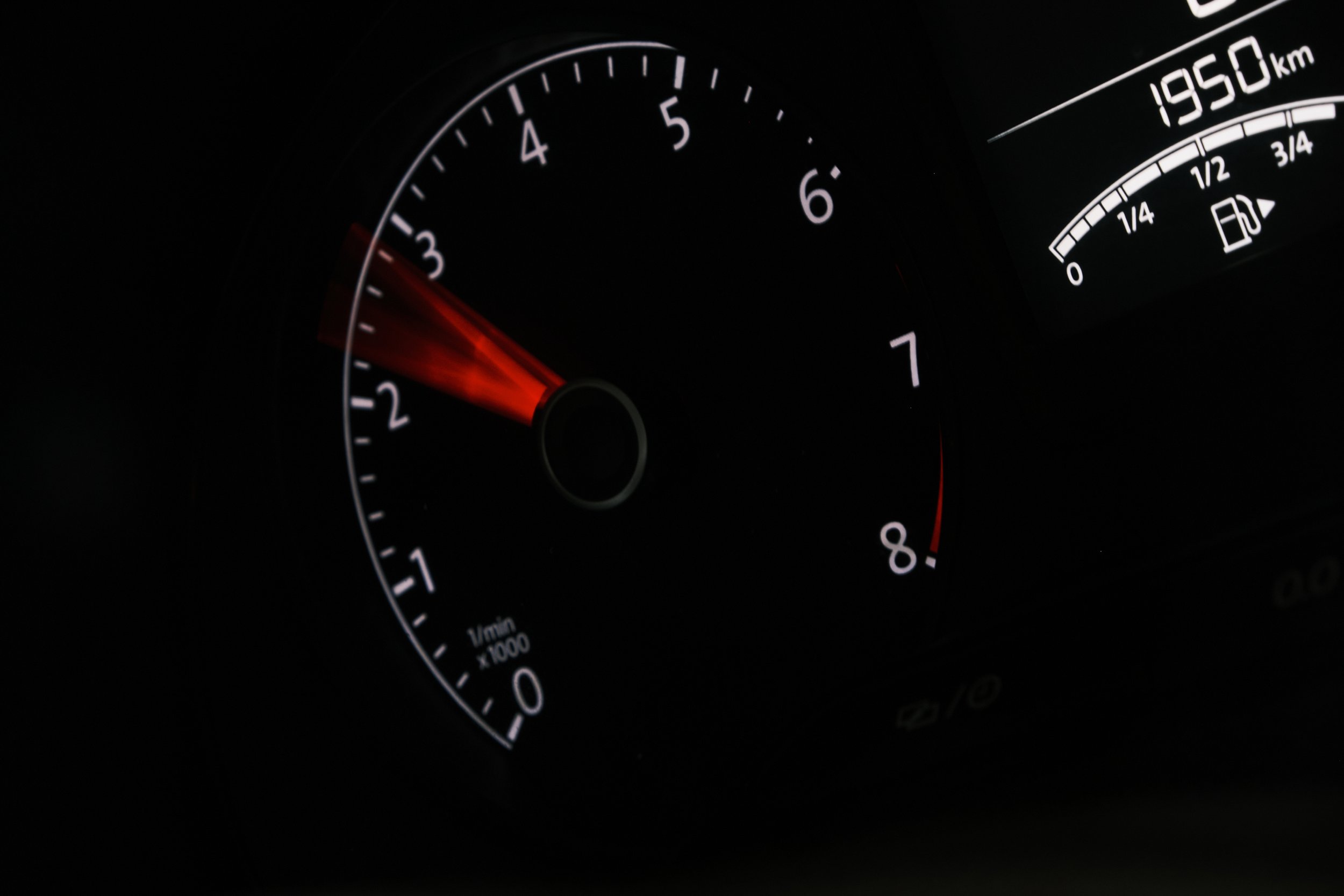
Instrumental in lending the Polo the aforementioned praise is a new 1-litre, 3-cylinder petrol engine which makes 109 bhp and 129 lb-ft. It’s gruff at startup, it doesn’t oblige with much smoothness as you turn the ignition off, but while it’s on the boil, the continuous surge of power, delivered either through a 6-speed manual gearbox or a 6-speed torque converter, is addictive, to say the least.
It was quick off the line, and if specced correctly, the Polo could still very much be the go-to choice in the segment. The lightning-quick shifts of the DSG were missed, but the standard gearboxes in the final iteration weren’t bad at all. Despite the added confidence and stability, the Polo never felt difficult on city roads. On the motorway, it wasn't too different a story, either. Effortless for the most part, but when it comes to overtaking or even making a quick getaway, both the Polo and the Vento were never out of their comfort zone. Still pretty much a driver's car, after all these years.
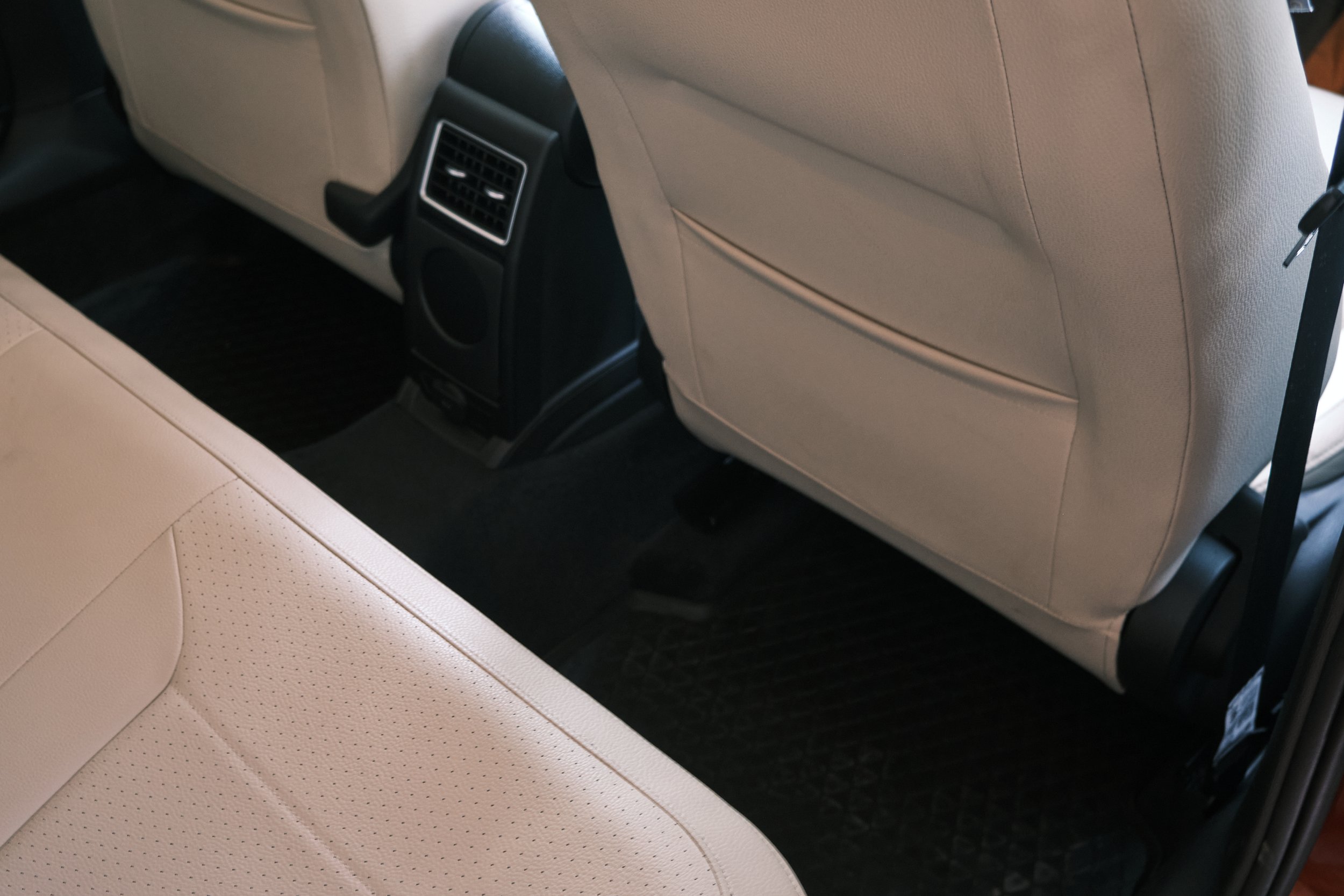
The space inside is an issue for the Polo, but the Vento solved that. Both were based on the old (pre-MQB) platform shared with the erstwhile Skoda Rapid, and the VW duo enjoyed their presence as some of the only turbocharged petrol cars in the segment. It was a massively shrinking segment, but the Vento, despite its age, managed to present a strong case for itself. That was also helped to a large extent by the absence of the characterful Fiat Linea T-Jet, which if not discontinued would've been closer to the ideal turbocharged petrol saloon, and a definite choice in a market that hardly appreciates individuality.
And the Polo and Vento did their bit in making decent standards of motoring available to the Indian car buyer. The duo has effectively been replaced by the Virtus saloon and the larger Taigun crossover 'SUV' as entry-level products from Volkswagen. Both are based on the Indian version of the global MQB-A0 platform (localised and officially referred to as 'MQB-A0-IN') and have been averaging over 3,000 monthly sales together. Which, according to the brilliantly preserved monthly sales/despatch data by Team-BHP, is not too far from what the brand achieved more than five years ago. Considering that since then the Indian customer has somehow been persuaded into believing that saloons don't make much sense and SUVs are the only way forward, the figure doesn't look bad. Add Skoda's versions to it (Slavia saloon and Kushaq crossover) and that's some sizeable made-in-India cars that the VW shifts every month under these two brands. It might not enable them to capture the market but that's sustainable, I think, and the continued progress is bound to make bigger leaps once the sub-four-metre crossover arrives (another one?).
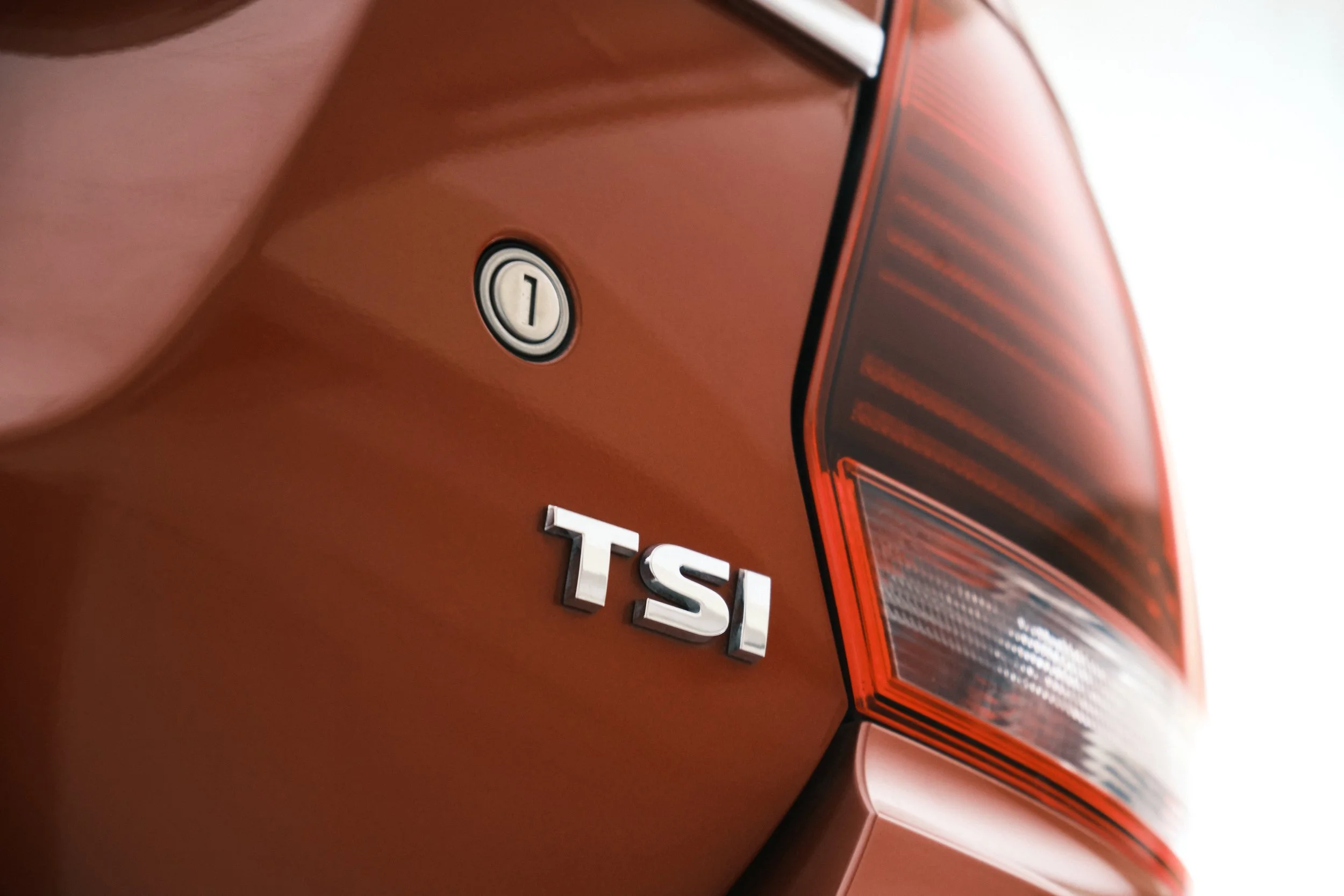
On their way out both the Polo and the Vento represented a fairly solid car that drove well, looked quite alright (if not ageless), and felt better put together than anything else in that price bracket. Maintaining them is said to be more expensive than others in the segment, and the Polo's abysmal rear seat space and comfort (lack of) hampered its prospects as the chosen family wagon. It’s still, from my understanding, the best driver-focussed car one could buy in the segment; both, the Polo and the Vento, actually. The 1-litre MPI can be avoided, but the turbocharged engine is fun, regardless of the gearbox you choose. And while both cars fall behind when it comes to features, but the enjoyable drive more than makes up for that.
While the used-car market for these fluctuates, if you do manage to get yourself a good Polo or Vento, you’re likely to find little to fault in them even a few years down the line. And who knows your car might actually turn younger as the years pass…