

Happy birthday, Hyundai Creta!
If you've been privileged enough to enter this wonderful world of car journalism and haven't messed up big time, there's a good chance your paths would've crossed with the Creta's. Aye, it's the same compact crossover SUV (the prevalent term is now mid-sized SUV) which has been responsible for 10 per cent of the company's total sales in the last three decades. Considering that the Creta, which celebrates its 10th anniversary on July 21, isn't the least expensive or the oldest car sold by the Korean carmaker, that is quite a remarkable achievement. But what's really behind its enviable market performance?
A good product overall? Well, that it undoubtedly is.
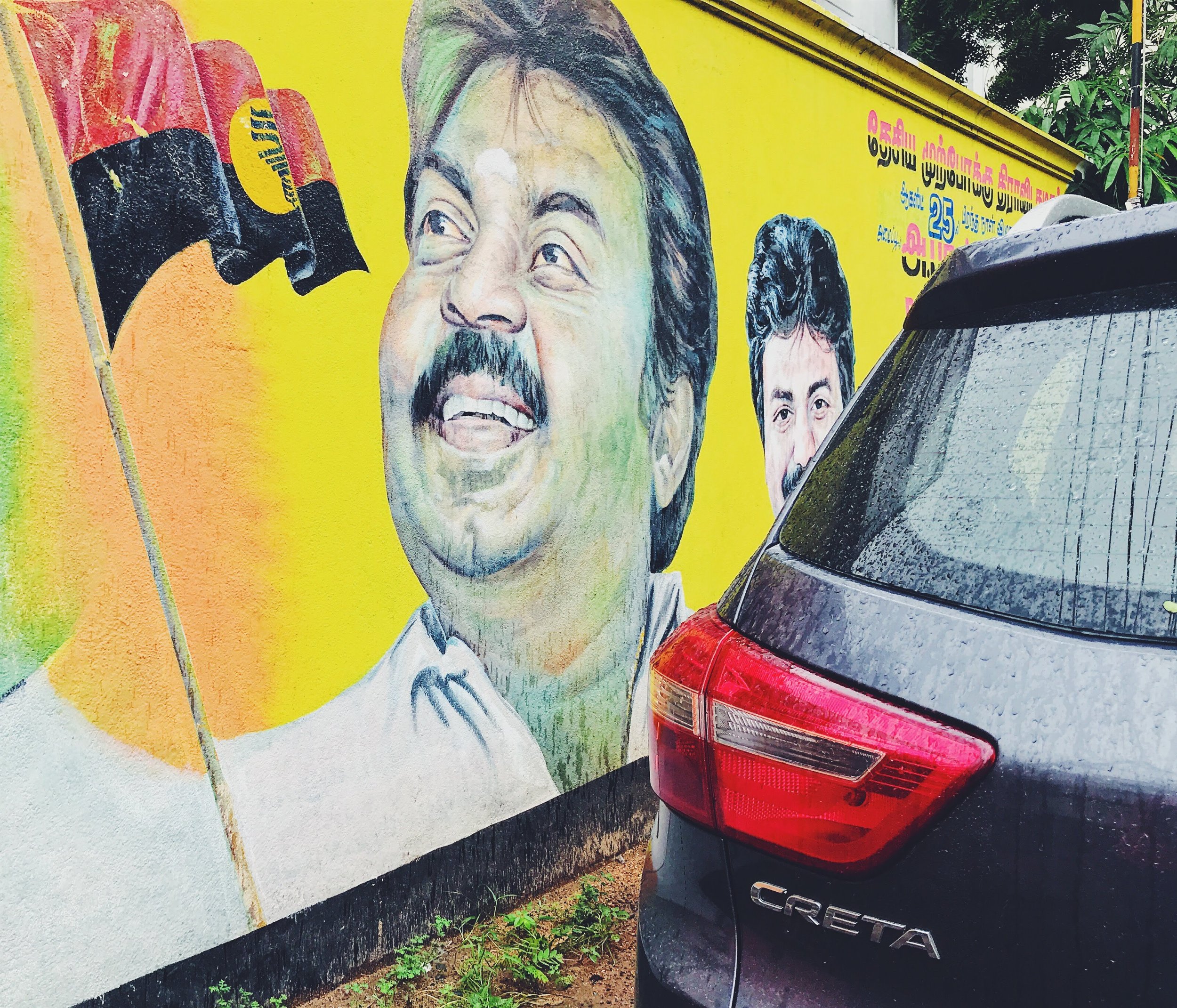
The Creta came to the market when a new product in its price bracket didn't look like a copy-paste iteration of a million others in the segment. Also, what segment, you might ask. Because when Hyundai brought out the Creta, its major rivals were scattered: there were the saloons (which were quite understandably the go-to choice for anyone who wanted a more sophisticated mode of transport to replace the small hatchback that they were usually upgrading from), the full-sized SUVs (like the Mahindra Scorpio, which was decidedly a bit rough around the edges in comparison, but could handle bad roads well), and a new crop of crossovers which looked solid, had a lot of space inside, but underneath, they were car-like — and as a result, very easy to live with. The notable choices in that cluster of cars were the Renault Duster, which was nearing its third anniversary by the time the Creta came out, and the Ford EcoSport, a car that would not just be Ford India's saviour (and a very good product in its own right, if a bit weird to look at) but also the last person onboard the metaphorical sinking ship the brand was eventually reduced to.
The advent of the more car-like SUVs in under Rs 10 lakh started with the Premier Rio, a Daihatsu Terios routed through China's Zoyte and now (by that I mean the late noughties) manufactured in India. It was brought to India by the same company that helped this ex-colony appreciate cars like the Fiat 1100 and the Uno before the Italian carmaker realised they'd be better off running as a separate entity. The Rio might have made it to the market early but it didn't taste much success (despite eventually being offered with what can be described as once everyone's favourite diesel engine in India, the 1.3 MJD) but it definitely opened the floodgates.
So, by the time the Creta was launched, buyers had already established what they wanted from a compact SUV. The Duster had spoilt them with the superb suspension, really strong diesel engine (the 110 PS, 6-speed iteration was an easy favourite), and enough space to be classified as a 1-bedroom flat in Mumbai. It deserves a separate article, but to keep it short here, the Duster (sold in India as a Renault and not Dacia) felt close to perfect product except that it had a cheap cabin.
Fun question: did your Duster also suffer from the mid-corner steering kickback?
The EcoSport, which arrived shortly after the Duster but earlier than the Creta, showed a different philosophy. Owing to it being less than four metres, Ford was able to price it more competitively (lower taxes depending on its length); you could feel a reassuring heft in almost everything the car did except through the light steering; its interior didn't look or feel like it was made to keep the overall costs low; and for those who loved the Mk4 Fiesta-based Ikon saloon, the Mk5 Fiesta-based Fiesta saloon or even the original Figo hatchback, the EcoSport still delivered decently eager driving dynamics.
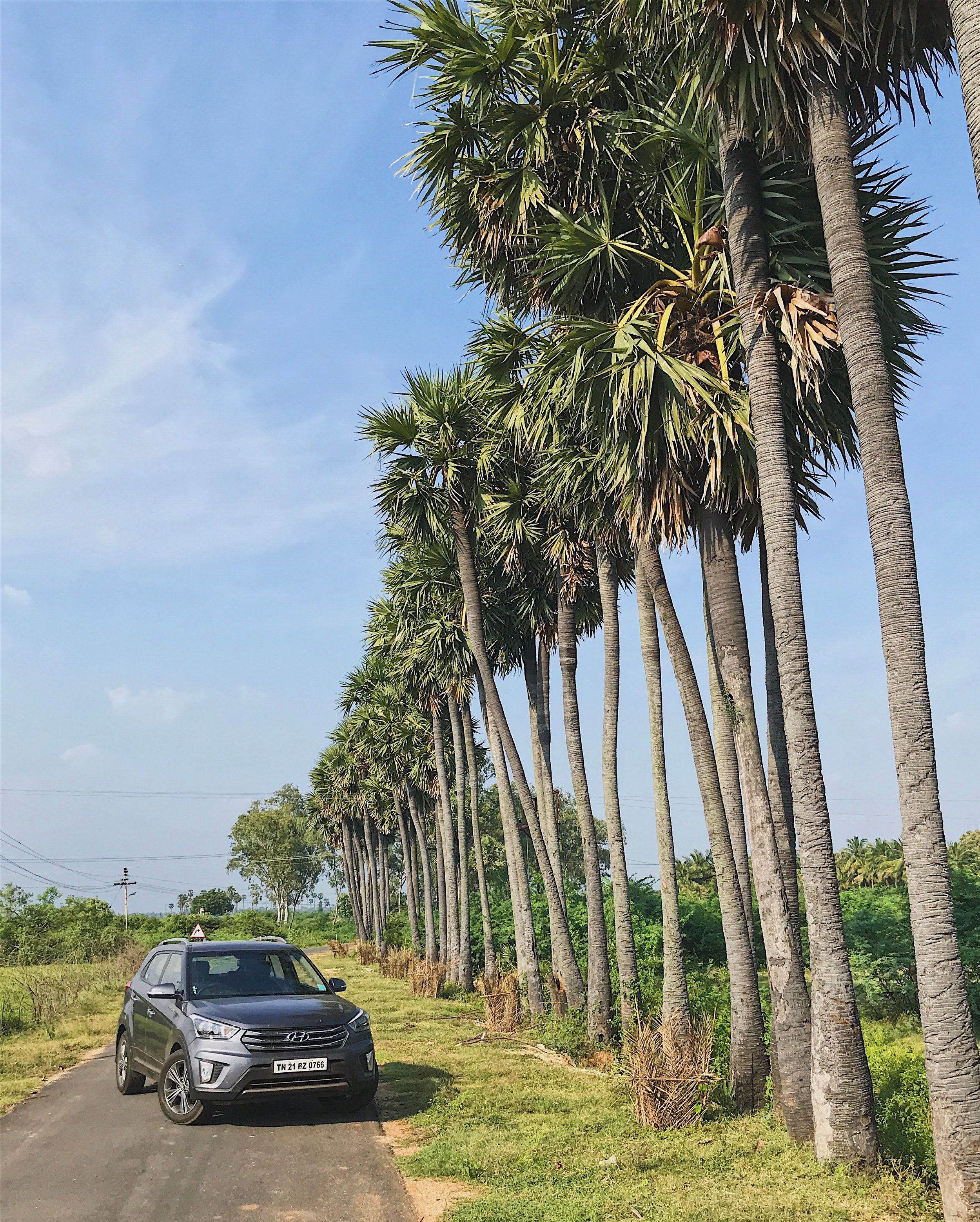
On July 21, 2015, Hyundai launched the first-generation Creta, priced at about Rs 8.6 lakh, ex-showroom. Its platform might've been shared with some other cars in the existing lineup but leaving aside some switchgear and the resulting feel, the Creta had enough in it to offer a completely new experience, even to existing Hyundai customers. In India, there were three engines available: a 1.6-litre NA petrol, a 1.4 diesel, and a top-spec 1.6 diesel, and all of those drove the front wheels.
By the the end of the launch year, Hyundai had already received over 90,000 bookings for the Creta, which resulted in an increased production allocation for the car. That was sensible because the waiting period for the Creta was getting dangerously close to a year. In the pre-chip-shortage modern-car era, that must've been quite worrying…
I got to sample the Creta a little later than the rest of the industry colleagues (ah, usual), but when I did, it was a revelation. Mainly because this didn't feel like the Hyundais I had spent time with in the recent past. Its styling didn't typically suggest it wanted to grab your attention by all possible means, its profile wasn't of a car made tall just because they wanted it to, and some of the colours in Hyundai's palette were so uncommon that I automatically began to like the car more than when it was specced in the usual white, black, red, grey, or silver. The pale shade of Mystic Blue made the Creta appear unobtrusive, almost as if it was a part of your life. The equally odd German-taxi-esque Pearl Beige was a favourite, too.
On the move, the Creta drove well. Not thr sharpest handler but it wasn’t misbehaved, either. The petrol engine wasn't bad for everyday urban runs, but the larger of the diesels shone brightly on the motorway. On good roads, the Creta felt like a good mix of supple and stable, and on bad roads, it behaved like a car. You wouldn't dare mindlessly shoot it at a stretch filled with potholes but, at the same time, it brought with itself the reassurance that if you had to cross said piece of tarmac, you and the Creta would come out unscathed.
The 2018 facelift helped Hyundai continue forwards with the sales momentum (the company was already doing well over 100,000 Cretas every year). But it wasn't until two years later, in 2020, that India's favourite compact SUV moved further up the ladder. The second-generation car didn't just get a completely new design and interior but also wider range of features included connected car tech, new engines, and even its most powerful iteration with a 140 PS-producing 1.4-litre turbocharged petrol engine and a dual-clutch gearbox.
The new Creta was also the first car we carried a review of on The Car Cult.
'6265' had a six-speed manual gearbox, a new 1.5-litre diesel engine, and more sophistication than earlier. But the Creta hadn't changed one bit in the way it felt at home as your primary car. From running errands to taking 15-hour non-stop drives, the Creta showed why it was loved by nearly 500,000 people already (July 2015 - July 2020). The new diesel engine didn't have the relative lull followed by an addictive turbo-driven surge of the previous 1.6-litre unit but it was decidedly eager in the lower rpm band, making it more driveable.
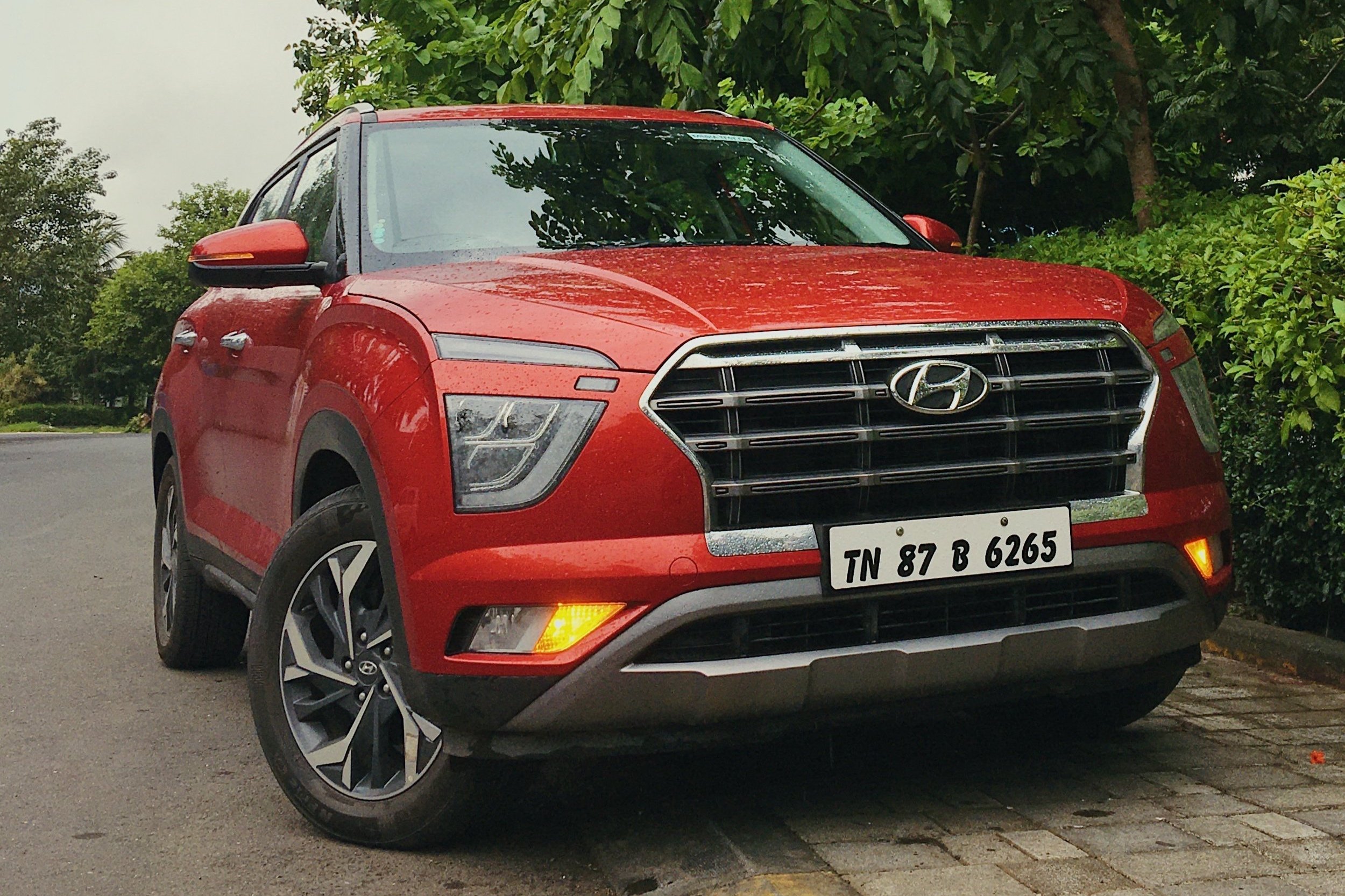
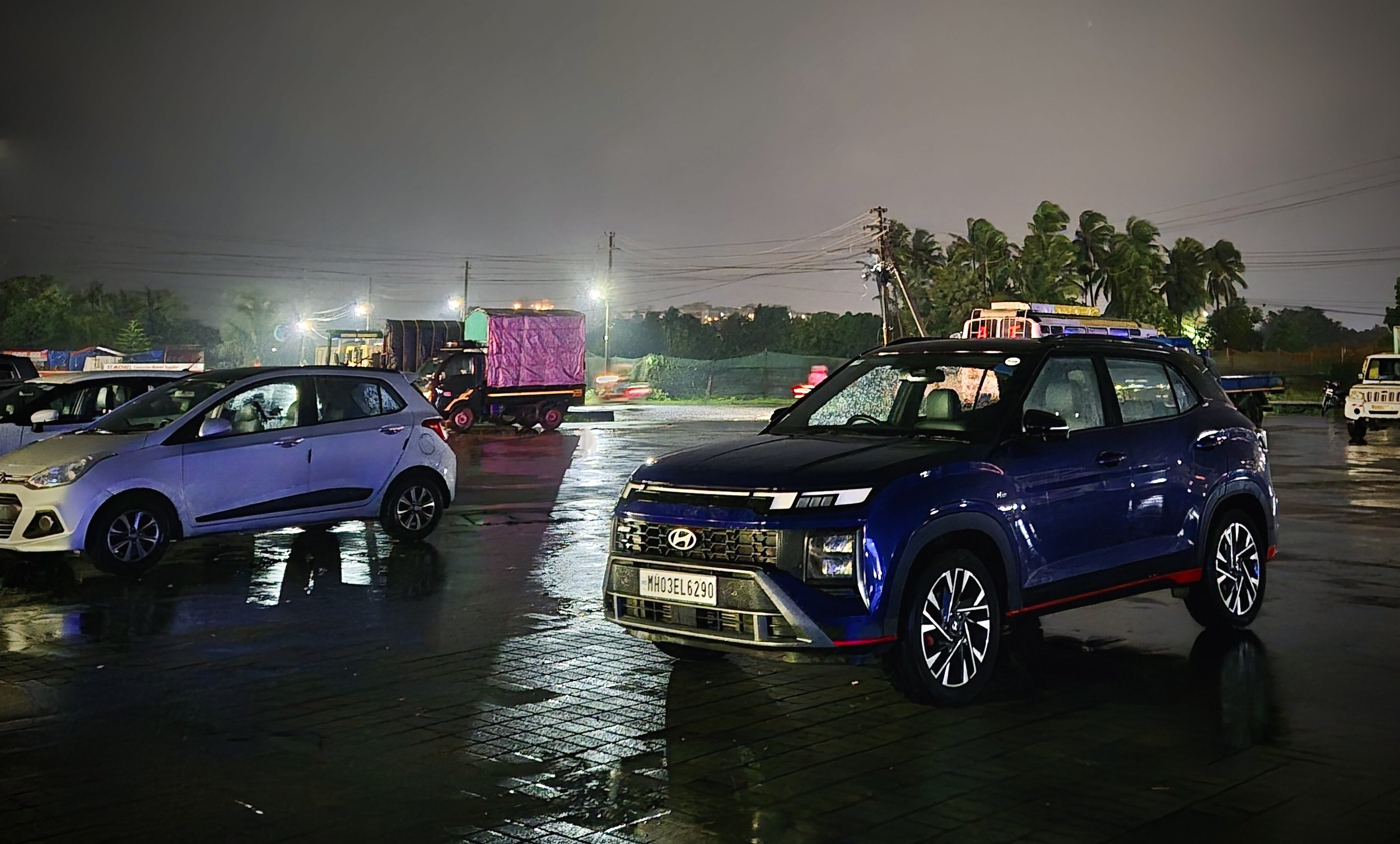
The design was a bit of a mixed bag, with the unconventional (then) decision to place the headlights low with a strip of LED DRL below the bonnet. The rear felt odder, although the contours on the bodywork, flared arches, and the hints to make the car appear more chiselled worked flawlessly. In 2024, Hyundai decided to give the second-generation Creta a facelift. And now it's a definitely more palatable design, and while I'm naturally inclined to like the first-generation car more, the latest Creta is easily the best-looking version of the SUV.
With the latest model, Hyundai got new engines, included a wider range of safety tech, and also introduced a new variant called the Creta N Line. With that, Hyundai's intent to make the Creta appealing to keen drivers was quite evident, and it thus joined the i20 N Line and the Venue N Line, both of which are well-rounded products in their respective segments.
You'll get to read about the Creta N Line on The Car Cult soon.
Another inclusion made to the Creta model lineup is the Creta Electric. I am yet to try it out, but on paper, it sounds quite promising. Of course, with electric cars, given the narrative, half-baked theories, and even a sub-par charging network, one shouldn't expect it to fly off the shelves like the conventionally powered iteration, but it will improve Hyundai's presence in the EV space, increasing whatever the IONIQ 5 (and the Kona) achieved previously.
In the last 10 years, the Creta seems to have found its calling. It didn't have a price advantage, it didn't even have the widest sales and service network, it was late to join the party, and it definitely didn't come from a brand with the proverbial Midas touch (remember Hyundai has had its ups and downs, as far as sales go), but the Creta epitomised how well this carmaker knows its customers. Every calendar year since its launch, the Creta has led annual sales in the SUV segment (according to Hyundai's data). The annual (financial year) sales have doubled in comparison to what they were at the end of FY 2016, and the Creta is nearing the 200,000 units mark. Hyundai has also exported 2.87 lakh (287,000) units of the India-made Creta to over 13 countries (company's data), bringing the total despatched units from the factory to 1.55+ million.
To put the Creta's sales success into perspective, allow me to draw a slightly less logical comparison. The country's leading carmaker Maruti Suzuki sold 4.5 million units of the Alto in 23 years (2000 - 2023). Which translates to an average of 195,000+ examples sold every year. That's for a car roughly the third of the Creta's price. And the current annual sales (last FY) for the Creta is 187,000+ units. So, while there's no comparison between the two, and everyone knows that average sales is just an indication (plus my maths is poor), it goes on show how effectively Hyundai managed to monetise what it had to offer to the market.
Will we see another story like the Creta? In this segment, it would seem highly unlikely that someone can manage to usurp it just yet. There are other cars in the same space but nothing quite seems like the complete package that the Creta is. And that explains why the Creta is where it is today.
Heck, it's not even the most exciting car to drive, or even my favourite body style, but the Creta just works. If only someone could keep those pesky drivers at bay, keeping a check on their unending desire to flash and honk until the entire traffic up ahead clears up. But you know what we're not like that — at least not all of us.