

Everything your heart Dzires: Maruti Dzire Review
I think the Suzuki Dzire makes way more sense now than it did earlier. Definitely more than what it did about 15 years ago when the booted Swift was first launched as the Swift Dzire saloon. Especially in comparison to the more recent iterations, the Dzire has become a better product on the whole. So much so that I wouldn't mind suggesting this to someone who needs a car but doesn't want a driver's car per se. With its prices starting at just Rs 6.84 lakh going all the way up to Rs 10.19 lakh (ex-showroom), the new Dzire is Maruti Suzuki's best effort in the segment and its merits outweigh the preconceived notion that the Dzire is mediocre at best. On the contrary, the new Dzire is very different to the idea of a Dzire. From the few hundred kilometres I spent behind the wheel of one, driving from Cochin to Kotagiri via Coimbatore and back, the sub-four-metre saloon proved to be a fitting drive companion.
The task at hand was to witness the beautiful sunrise from Kodanad, Tamil Nadu, a village not too far from Kotagiri. The place has good connectivity, so the Dzire wasn't going to be commissioned the task of acting like an off-roader. But at the same time, the route was full of winding roads (as one climbed from Mettupalayam towards Kotagiri, in the heart of the Nilgiri Mountain range), and required crossing a handful of settlements on the way. Not just the uphill drive but also the ever-varying traffic conditions could become a great test exercise and maybe offer some conclusive evidence to help us understand if the new Dzire is cut out for India.
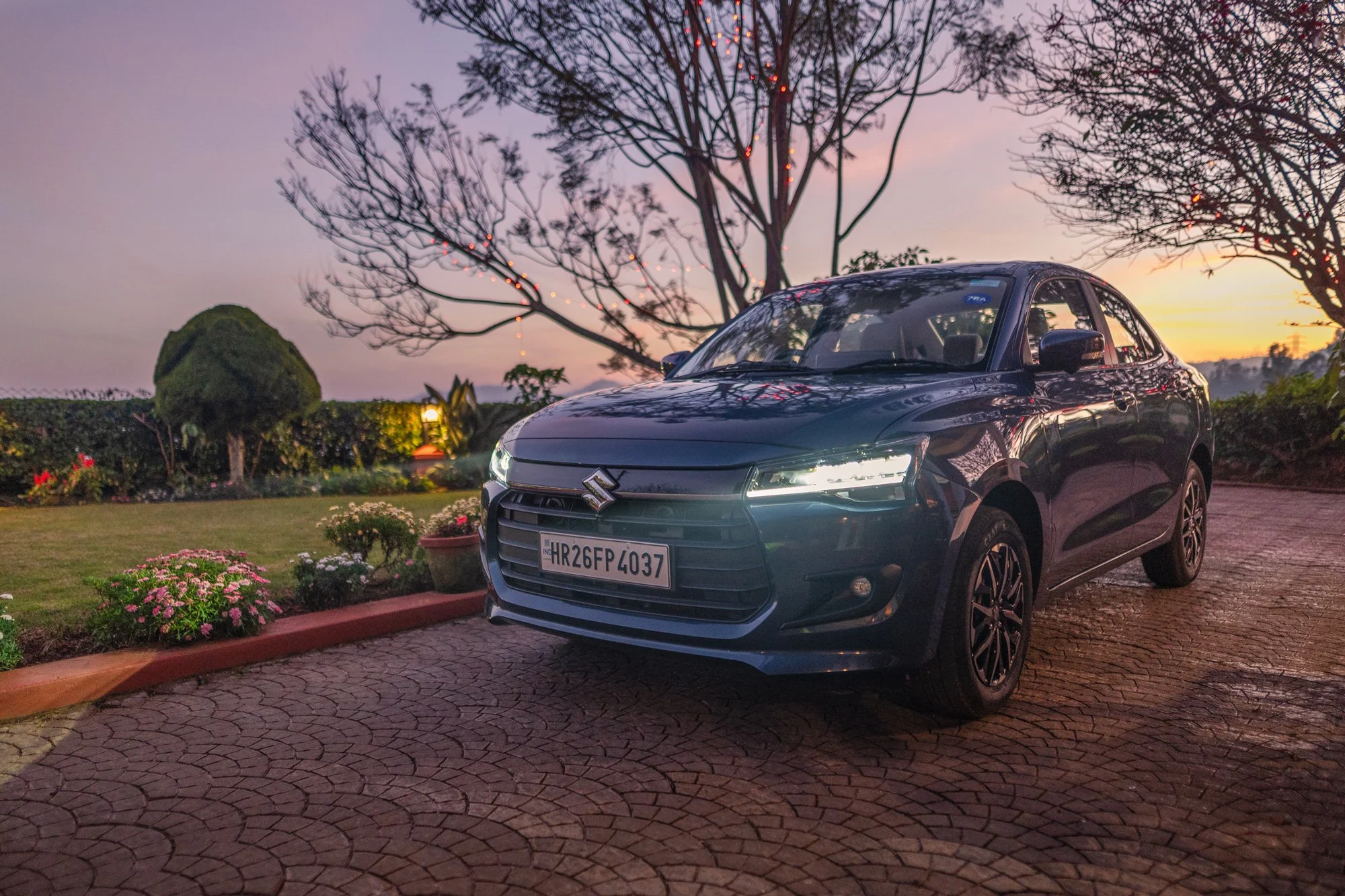
Maruti Dzire Review
Maruti Suzuki has decidedly moved upmarket with the latest iteration of the Dzire. While the larger Ciaz saloon is still on sale, the Dzire is more modern and better equipped than the longer but older car here. The pricing doesn't leave out chances of possible cannibalisation, either; the Ciaz starts at Rs 9.41 lakh ex-showroom.
If Maruti Suzuki were to proactively admit that the Dzire is where their entire focus will be in the saloon space, on looks alone, that sentiment wouldn't seem misplaced. Matured and more stylish, the Dzire moves further away from the Swift that it shares a lot with, if not the name anymore.
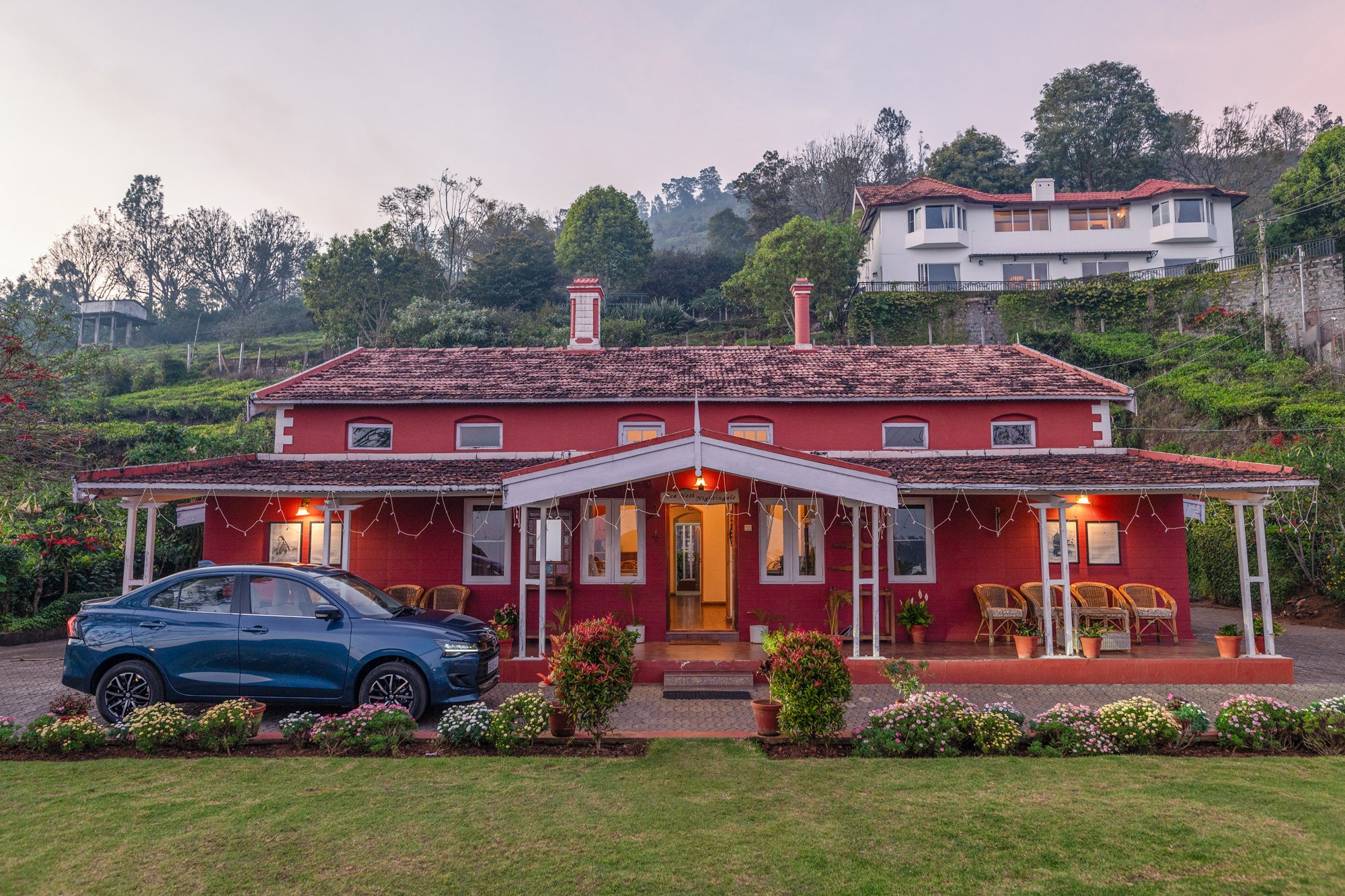
When parked the car next to the rather neat budget hotel amidst the Nilgiris, the Dzire didn't look like a cut-price offering. Having said that, the four-metre length regulation is weird and no car has benefitted from it visually — and the new Dzire is no exception. It's like the local equivalent of US impact bumpers without any engineering benefit. On the whole the Dzire, despite its truncated length, looks all right. It's not beautiful enough to warrant a second look after you park it, though.
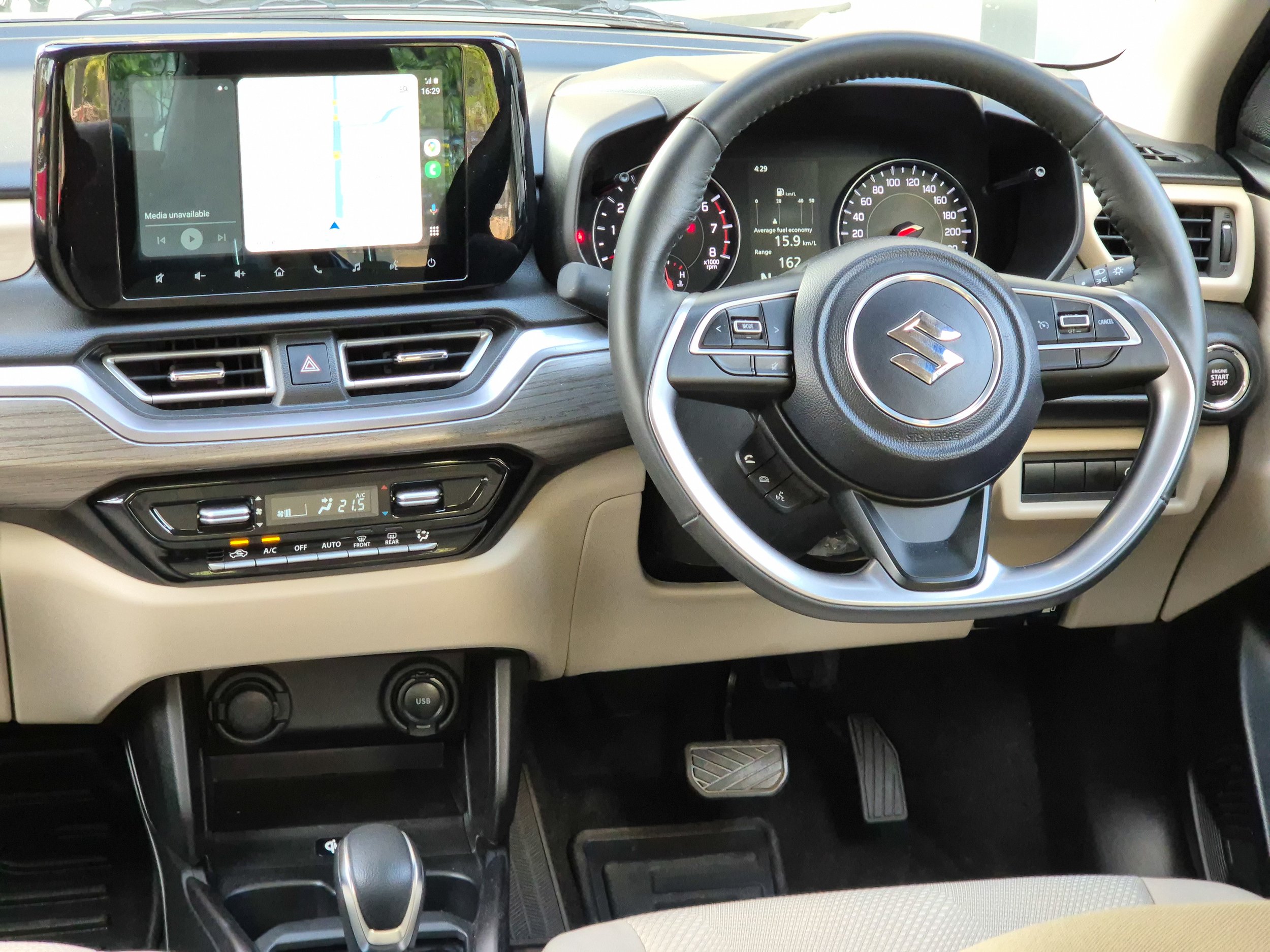
Maruti Suzuki Dzire Interior
The cabin is shared with the Swift, but not without cheapening the overall appearance by placing a piece of faux wood that looks and feels like someone put a thick coat of clear/resin over a discoloured wooden fossil. There are some clear areas where some extensive cost-cutting has plagued the car. For instance, the boot is completely exposed from inside.
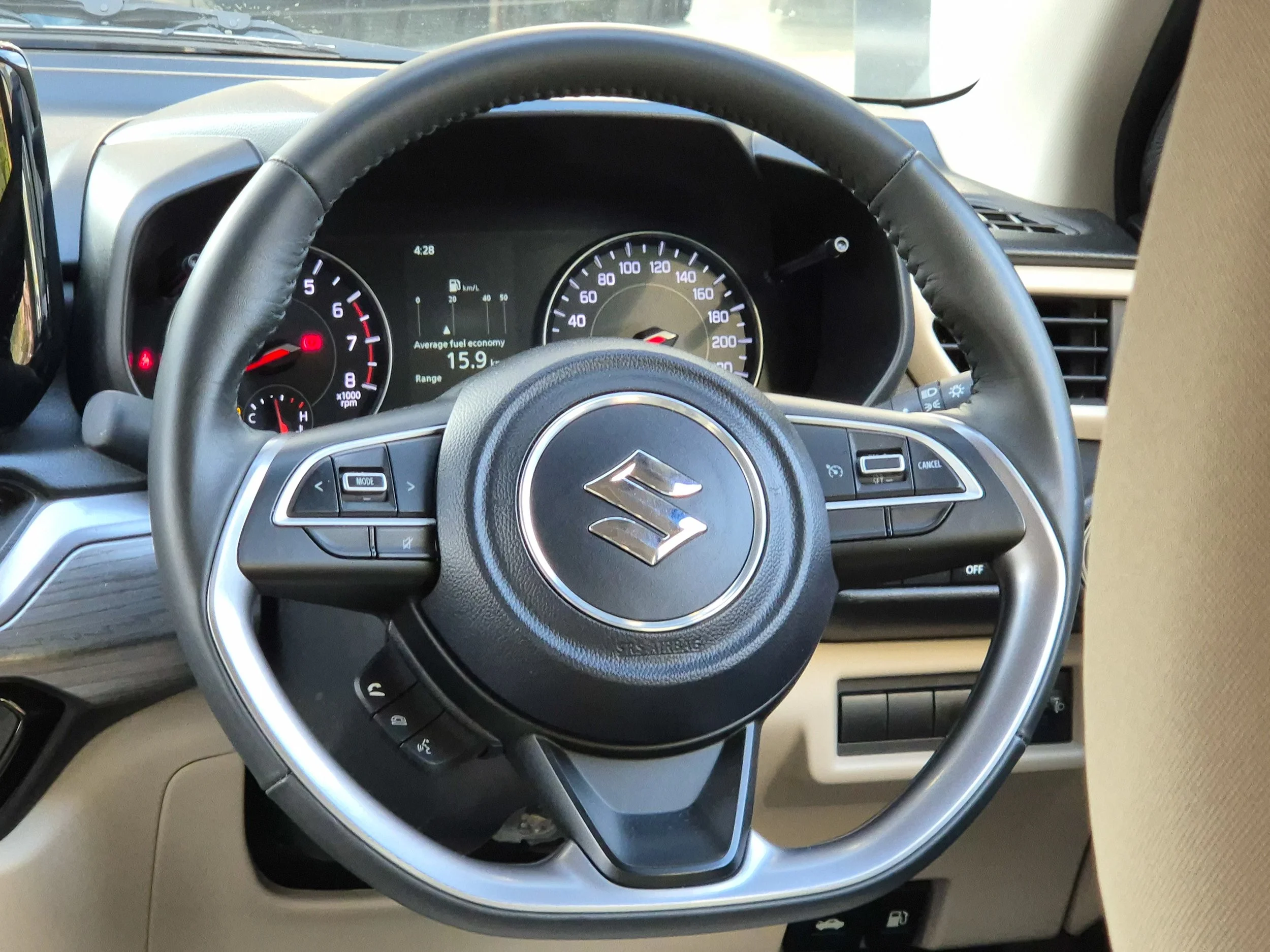
Elsewhere, the interior is what you'd expect in a Dzire but it's been refined in some areas to lend it more of a feel-good vibe. The touchscreen audio system works as intended, there's a wireless charger (which is still a pretty useless way of charging your phone in my book), and thankfully, not all functions are hidden under menus. Although there's not much that the Dzire has which can't be accessed from a row of buttons. The climate control rocker switches are placed where your hand won't have an issue reaching without taking your eyes off the road ahead. The instrument panel is a mix of analogue units and a centrally placed MID. These are pretty legible, and prove that one doesn't need those all-screen setups which have become increasingly popular now unless you want all the drive-related info at once.
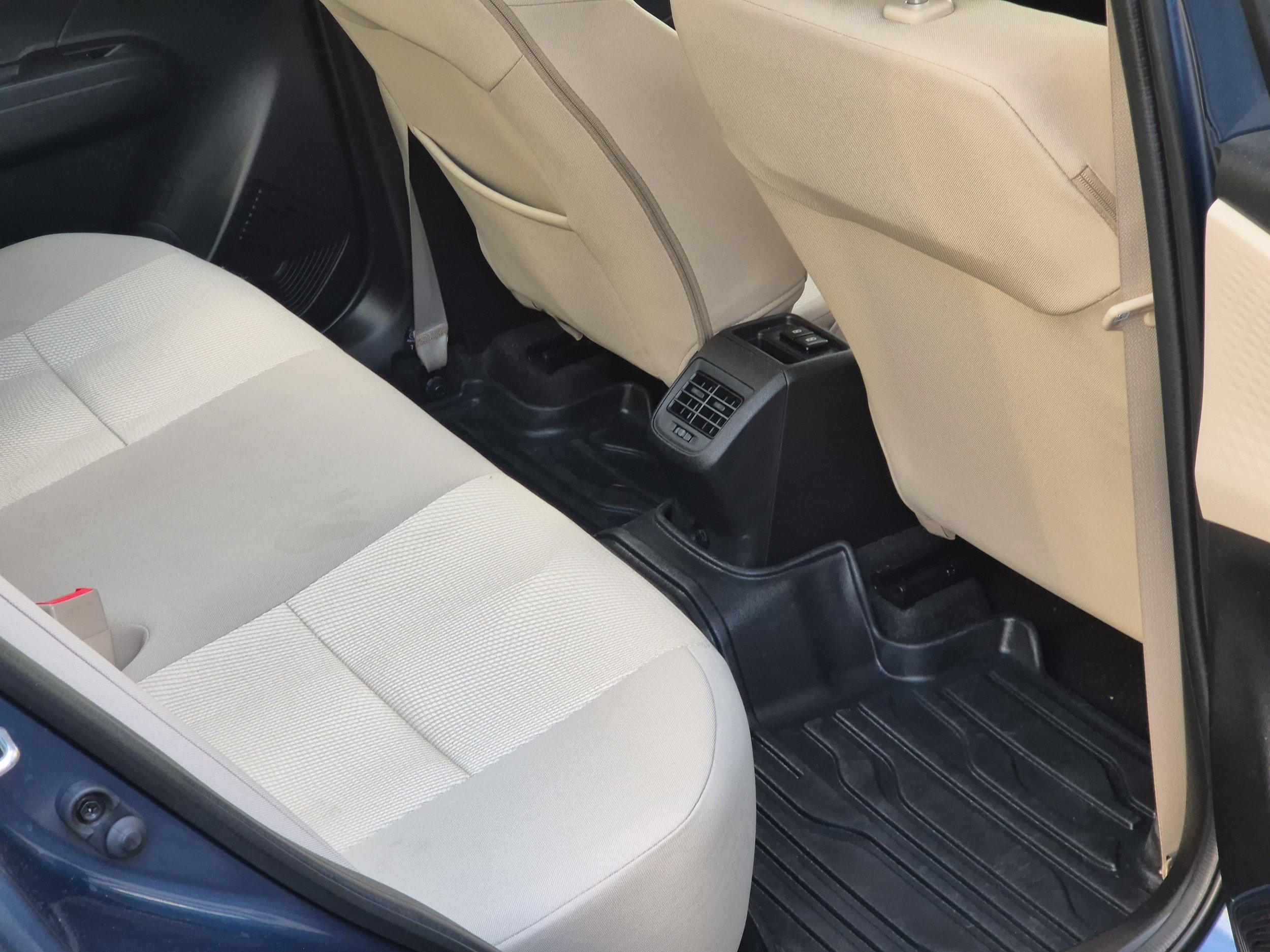
There's more space for the rear passengers than I expected, while the head room is just alright. The boot isn't the deepest you'd see, and the fixed rear seat means carrying longer items (that you could in an SUV or a hatchback) isn't possible. This constraint aside, it feels decent, the Dzire's cabin. The use of light upholstery makes it look roomy, the small sunroof isn't a bad touch, either, and the wide cavity-like cubby hole to keep one's phone vertically is quite smart, especially since it's placed next to the charging points. Speaking of which, unlike some previous models, you also get USB-C ports, so there's no need to buy a new USB lead for the car, plus wireless phone connectivity is available. I used Android Auto, and it worked well, while the audio reproduction is unsurprisingly unworthy of a mention here.
Is that too much to ask for in an everyday car? Maybe. On the other hand, it's the basics where the new Dzire shows its competence. It's an AMT-equipped car, which is Maruti Suzuki's way of offering its customers the ease of an automatic gearbox without the lowered fuel economy or increased complexity of conventional automatic gearboxes. That sounds as much of a practical solution on paper as it is in real life because, in practice, it makes the car easy to operate. The new 1.2-litre, three-cylinder engine has lost one cylinder and a few crucial bhps, making it appear 'not powerful enough' if you were to read its spec sheet (81 bhp at 5700 rpm; 111.7 Nm at 4300 rpm). Considering you won't have to look too far to get a more capable vehicle (in terms of outright power and the resulting ability to pick up speed), it makes the Dzire a bit of a tough sell.
Suzuki Dzire Performance
Until you drive it because it isn't that bad. The manual gearbox model would've been ideal to gauge how good the engine is in isolation, but in about a week of driving, the Dzire AMT didn't really struggle ever. The engine is not entirely devoid of vibrations, especially at startup, but I am usually surrounded by diesel-engined cars, so this didn't seem that big a deal. For the initial move-on, the saloon doesn't seem reluctant; okay, it has to be said that the previous engine (an iteration of Suzuki's omnipresent K12) was definitely more eager. The new one redlines at about 6,000 rpm, and while I think it becomes a bit dull in the mid-range (definitely in comparison to modern turbo-petrol engines), as it reaches the red line (at its own sweet pace), it delivers some additional push. All this happens well within the speed limit and without the fear of losing your licence or burning a hole in the pocket, because the claimed fuel economy figures (for petrol MT, AMT, and the more frugal CNG variants) are shockingly good. In our test, the Dzire returned an indicated average fuel efficiency figure of about 16 km/l, which is not bad at all.
The thing with the Dzire's 5-speed AMT is that it's still a relatively simple gearbox, so it doesn't quite make up for the engine's lack of outright power. What it does is offer are fairly clean shifts, albeit with slightly slow kick downs. If you’re smart you’ll use its ability to switch gears manually and realise that the Dzire is an effortless to live with. Lift off the throttle, shift 'manually', and power your way towards the horizon — or the next traffic signal...
Now, on the way to your destination, especially if you're in any major Indian city (apart from Chandigarh, maybe), you'll find sizeable reasons to slow down if you don't want the suspension to wear out quickly. In the Dzire, you, as an occupant will be less aware of the severity of these road imperfections. This is down to how well the car rides. Even the slightly large potholes, which occasionally pop out of nowhere and can definitely cause a puncture in a sports car, don't prove to be as big a threat to the Dzire. On the other hand, motorway cruising isn't terrible, either. An ideal car will probably have a touch more power, an improved suspension, and a steering that feels connected. But then, in pursuit of all that, you'll end up losing the undeniably decent everyday combination that the Dzire is.
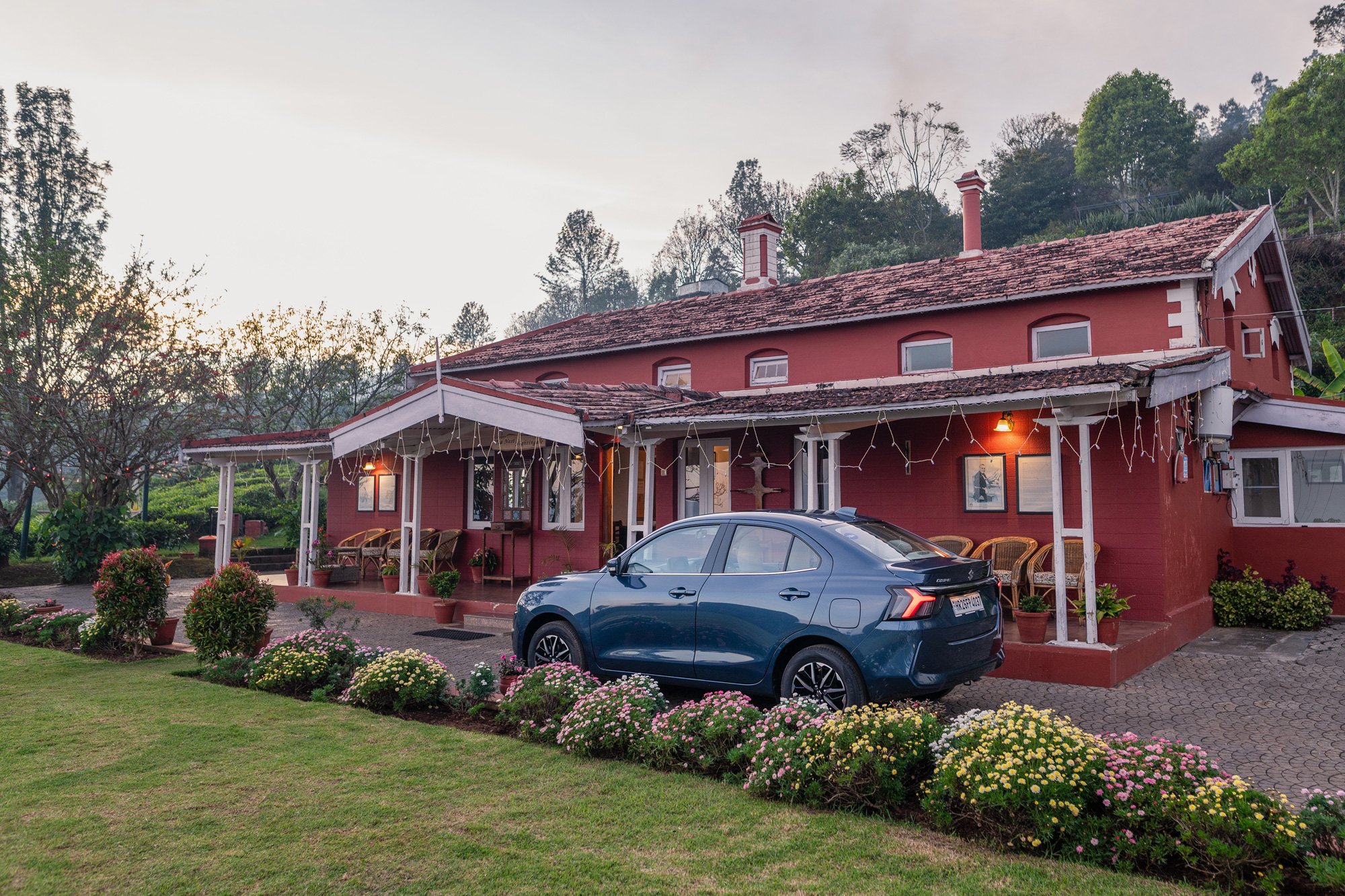
I picked up the car from Cochin, braved traffic at peak hours in Kerala, halted for the day, and then drove down to Coimbatore before heading uphill towards Kodanad. It's made for urban driving, and despite increasing traffic, I didn't feel like taking a break during my short stints in and between cities because the Dzire just feels extremely comfortable commuting. Kodanad, Tamil Nadu, is about 100 km/60 miles away from Coimbatore, and it's a straightforward way crossing Mettupalayam and then following the road to Kotagiri. Closer to Kotagiri, instead of driving into the Nilgiris town or getting distracted by something called Donnington (no relation to Donington Park), you keep the bonnet heading towards the Kodanad View Point.
In the twisty bits, the Dzire doesn't inspire great confidence. Neither with its fairly relaxed turn-in nor with how it tackles corners, it's clear that the Dzire is not at home when driven enthusiastically. Not that it can't be rushed, but going down that path doesn't bring much redemption. But when it comes to hassle-free driving, especially if you're looking for something that allows you to reach your destination without drama and don't give a monkey's about the drive itself, the Dzire can be recommended.
For instance, on days when I just want to reach the location as quickly as possible without worrying too much about how tall the speed bumps are going to be or spend extra time wondering if I'll find streets with a shoulder wide enough to park and take a photo of the first rays of the sun, the Dzire seems perfect. Modern car amenities like six airbags, ABS, Hill Hold, ISOFIX seat anchorage points, a 5-Star rating from Global NCAP and a 360-degree camera setup make my choice even stronger, although it must be noted that the reverse camera takes some getting used to. The perspective is too wide — almost fish-eye-like — which makes you believe that you're about to hit a converging wall that in reality is nowhere close to the car.
Kodanad, Tamil Nadu Sunrise
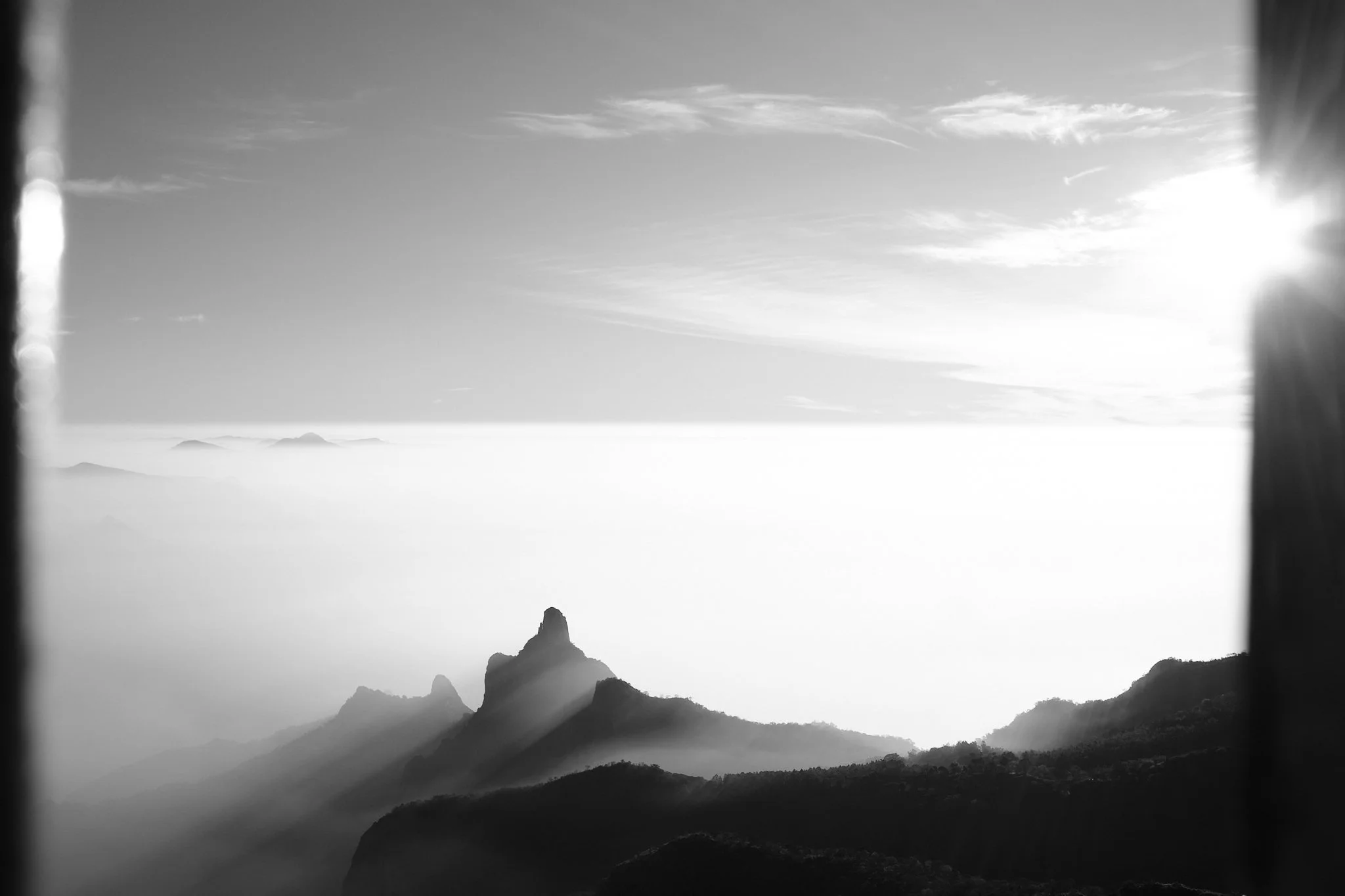
But all said and done, the job of the Dzire was to enable us to witness what turned out to be the most beautiful sunrise I've seen in India. As the first rays of the sun hit the nearby peak, light could be seen passing through individual trees, creating the unimaginably picturesque example of the Tyndall effect. The cloud/fog cover hid everything save for the sun itself and the peaks in the distance.
When you witness this and as time passes, you scramble to take a shot or two, only to realise that you could have potentially missed the 'money shot' had you spent five more seconds trying to find a better spot to park. Sometimes, driving is just a means, and I'm glad we brought a car that was produced with precisely that in mind.
Photos by Aniruddh Kaushal and Paranjay Dutt.




-
As of March 2025, the Maruti Suzuki Dzire price in India is between Rs 6.84 lakh (Dzire LXi) and Rs 10.19 lakh (Dzire ZXi+ AGS).
Please note that the company has announced a price hike effective from April 2025.
-
In a voluntary Global NCAP test, the new Dzire scored 5 stars. You can read the report in detail here:
-
If you’re looking for the TL;DR version, here it is:
The Maruti Suzuki Dzire is more rounded, it appears to be safer, it comes equipped with features that were not available in other, more expensive Maruti cars, and the new engine isn’t exactly a disappointment, either. As an everyday car, the Dzire works quite well now.
-
Maruti Suzuki uses the acronym ‘AGS’ to refer to AMT type of gearbox. The Dzire’s AMT was easy to live with, especially given its ability to switch gears manually.
It’s not the quickest to shift, but then, the engine isn’t the most powerful, either.