

Riddle of the Fronx: Maruti Suzuki Fronx Turbo Review
Hearsay, you might call it, but if you were to ask someone why they chose a Maruti Suzuki product over anything else, there's a good chance the answer would be 'ease'. It can be the ease of driving, buying, maintaining, and also the ease with which it could be sold eventually. There must be more reasons but it's not hard to see why Maruti Suzuki is a go-to choice for many new car buyers in India. It's also equally fun that when it comes to talking about a product, people tend to dissect Maruti Suzuki as a brand first before actually looking at the car. Sure, as a company, there are things Maruti Suzuki ought to have done differently, but that's a conversation for another day. The Fronx, on the other hand, appears to be something Maruti Suzuki shouldn't change much with. It's a hatchback with a lot of appeal, and nearly all that we usually associate with the brand. Plus it serves as a gentle reminder that new cars aren't all that bad.
The Maruti Suzuki Fronx shares its platform with the more widely available Suzuki Baleno, but can also be specced with a 1-litre turbocharged petrol engine, unlike the Baleno. It's marketed as an SUV, which isn't something I'm going to agree with, but branding aside, the Fronx makes a lot of sense. A few days ago, I had the privilege of trying one out on the roads of Kerala, and I couldn't have been happier. I'm not going to do a TL:DR version of the drive, but if you want me to tell you if it can be avoided, then you might be disappointed. If anything, the Fronx looks more deserving of your money than the Baleno itself, and the Boosterjet engine doesn't take too long to win your heart over.
In the Indian context, a fully imported Boosterjet engine first appeared with the Baleno RS, which was Maruti Suzuki's half-hearted take on the then-popular performance-focussed hatchback market. It was launched to deal with cars like the Polo GT, Fiat Abarth Punto, and even the Ford Figo S to some extent. It wasn't just a more powerful engine shoehorned into a Baleno, either. The RS benefitted from disc brakes all around and, if my memory isn't playing games, a slightly stiffened-up suspension, too. That it had the potential to put on a respectable show against the more exotic rivals can't be denied, but in the end, it just fizzled out. It was a lot of fun to drive, too, but it lacked the urgency of the Abarth, the overall liveability of the VW Polo (especially in the DSG-equipped guise) and the mix of punch and economy the tiny Ford offered. Plus, it was expensive to put together, and its slow sales meant Maruti didn't bother bringing the more powerful iteration back when they updated the Baleno.
The Fronx, launched in 2023, brought along a new opportunity for Maruti Suzuki: to cater to the needs of buyers who would otherwise go for one of the more expensive (than the Baleno) 'sub-four-metre compact SUVs'. Some of these come equipped with turbocharged petrol engines and more sophisticated automatic gearboxes. This made equipping the Fronx with the Boosterjet a possibility, and I couldn't be more thankful for the market dynamics and the decision-makers at Maruti Suzuki who must've made this choice. As the sole turbocharged-engine-equipped car in the whole Maruti Suzuki line, the Fronx stands out. And unlike the Baleno RS, which new-car buyers didn't appreciate enough (in the late 2010s), the Fronx happens to be a sales success. A win for everyone, then!
What does the Suzuki Fronx customer get?
Okay, say you have close to Rs 15 lakh to spend on a car and don't want to be swayed towards the Jimny (which rules me out, personally). You want a car that's spacious enough for a small family of four, doesn't compromise heavily on driving dynamics for comfort, and when you are in the mood to step away from family duties and go for a leisurely drive, it allows you to do that, too. The state of the market is such that there aren't too many hatchbacks left in the space, saloons — albeit not too many — are great but not the most practical to be driven in the city owing to their longer length, and the plethora of 'SUVs' are all fairly accomplished but you sit way too high, and they aren't exactly fun to drive per se. That leaves you with cars like the Fronx.
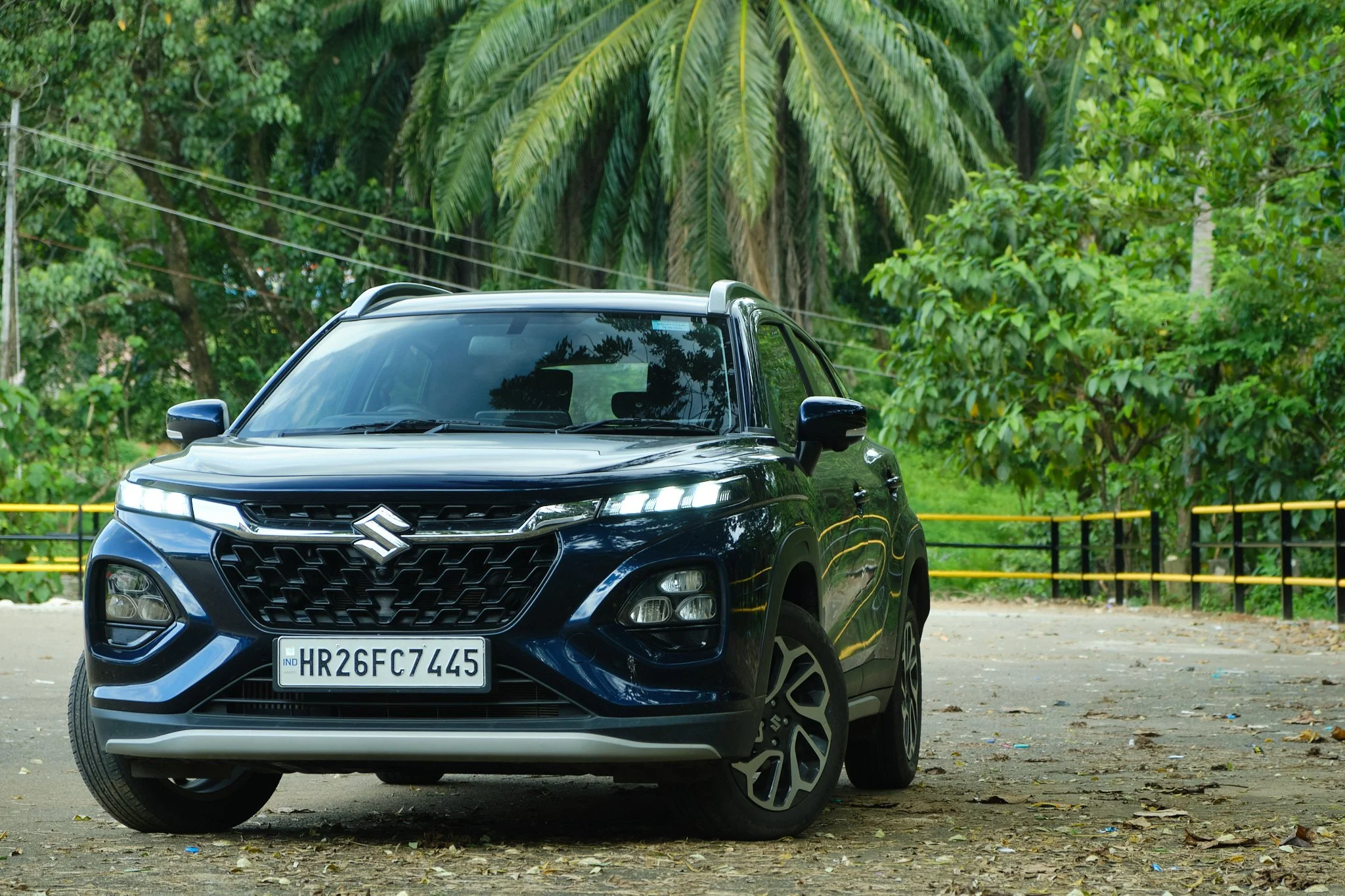
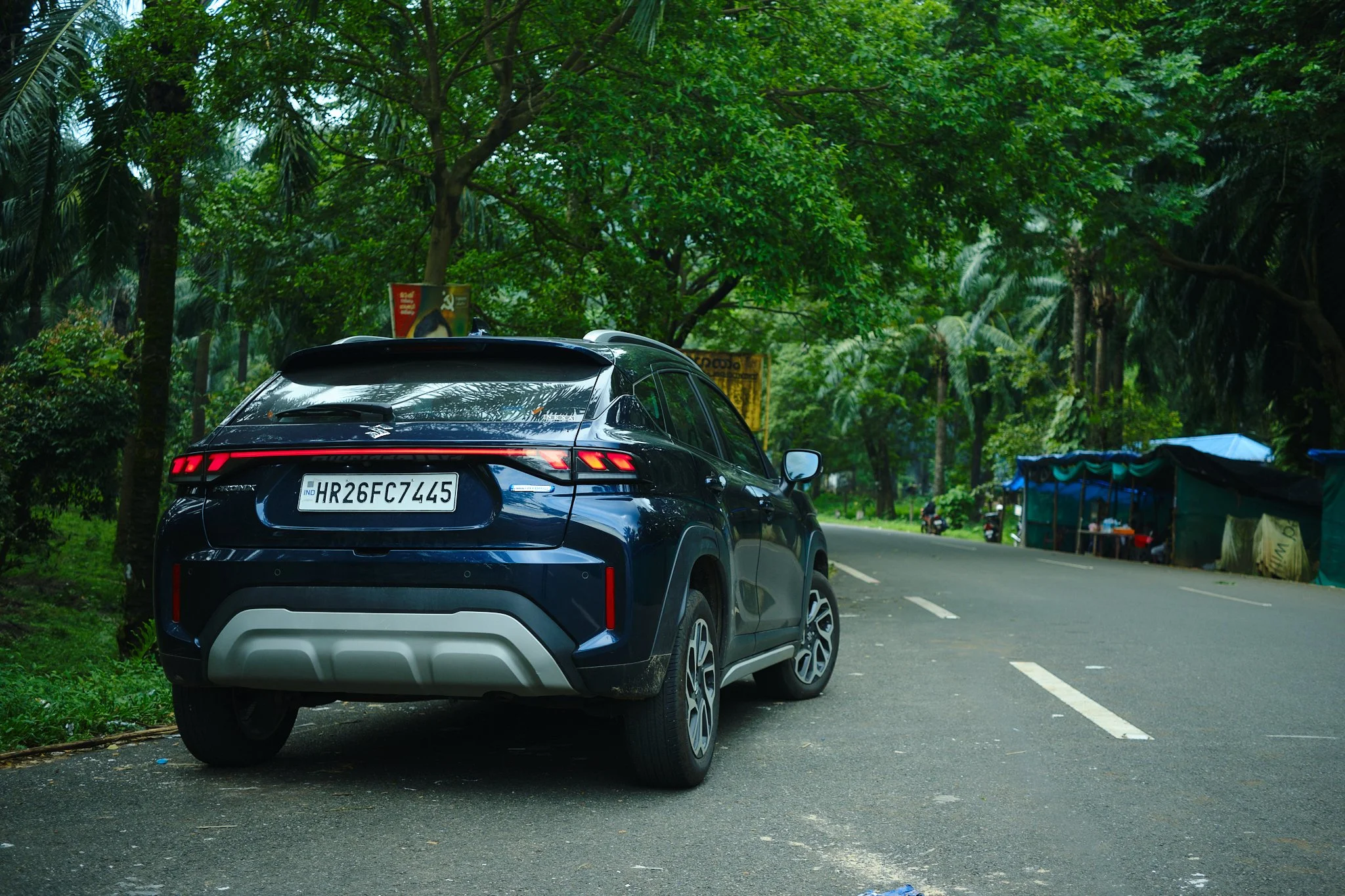
In terms of looks, the Fronx gets a front very similar to that of the local Grand Vitara — and that's exactly how Maruti Suzuki have turned the car into a definite sales success. Although free from the disproportionate 'jacked-up' look of sub-four-metre SUVs, the Fronx leaves a lasting impression. The rear with its sloping roof mightn't appear to do any wonders to the interior space but it looks good nevertheless. The squared wheel arches along the added visual bulk around them make the Fronx appear muscular. It's also a nice throwback to when carmakers quite willingly decided to add SUV-like bits to hatchbacks just to make them look more rugged.
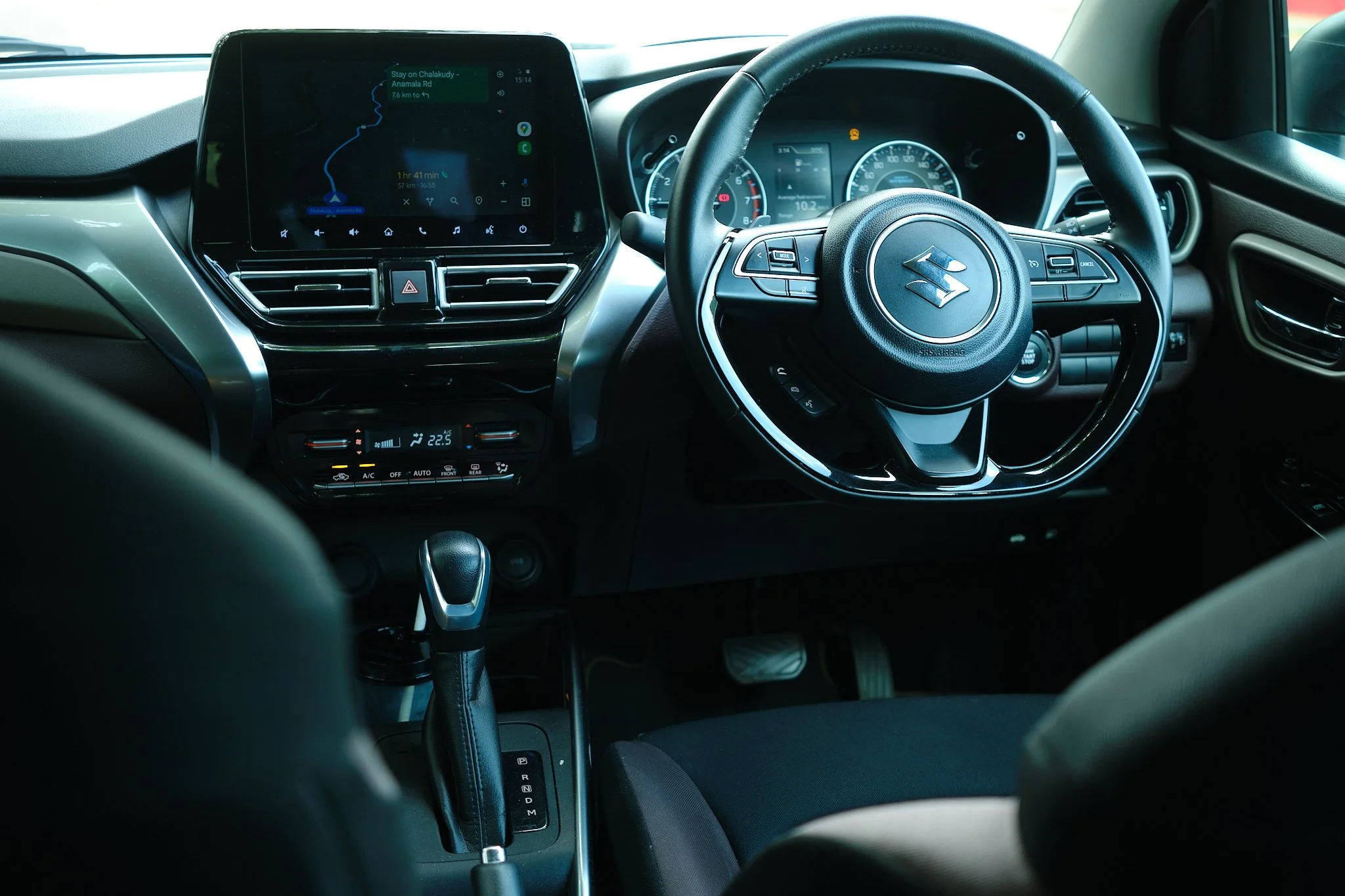
The cabin is shared with the Baleno hatchback, so while it looks familiar, it doesn't lack space. The overall quality isn't too bad, although Maruti Suzuki tends to cheap out on materials and that's unsurprisingly the case here, too. The touchscreen system works flawlessly and there's even a USB-C slot, too, which the carmaker somehow forgot to put in the Jimny. The meter console brings in familiarity and on the brink of sounding like an old man disconnected from reality, its fuss-free twin-dial setup looks cleaner than most modern all-screen instrument panels. The flat-bottom steering wheel fits well in the hands, and the overall quality, like in the rest of the cabin, is strictly okay. The rear-seat occupants won't have a lot to complain about, either, because the glasshouse itself isn't too narrow, although the boot access can be a bit ofa pain.
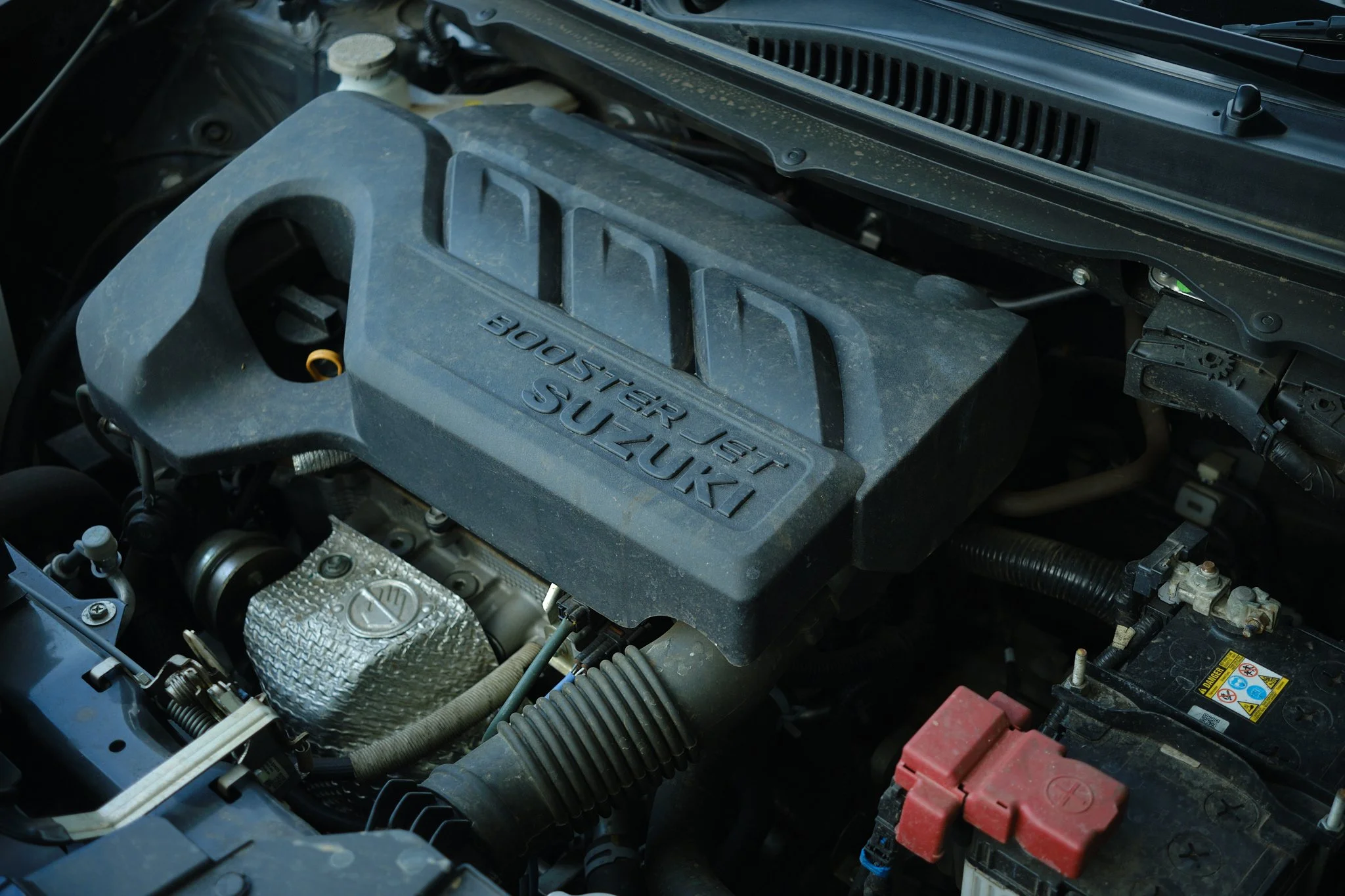
What's discernibly more than just 'okay' is the way the Fronx drives. Boosterjet sounds like a cool name for a three-cylinder turbo-petrol engine. It makes 100.06 PS at 5500 rpm and 108.86 lb.ft. between 2000 and 4500 rpm, which are fairly decent figures for an everyday hatchback. Maruti makes no claims of this being a performance-focussed car, and that's a good decision because the engine, while good for both intra-city and motorway use, isn't going to set anyone's heart racing. The 6-speed automatic gearbox makes living with a small turbo engine really easy and hides its lack of outright grunt well. It comes with paddle shifters, if you're inclined, but the shifts aren't very quick. There's no 'Sport' mode but you can gain complete manual control, which does help when you wish for increased interaction with the car. There's also a 5-speed manual transmission available.
The steering isn't exactly communicative, so there's that downside, but like every half-decent modern car, the Fronx never seems to be unruly. The disc(front) + drum (rear) braking setup seems effective, although I do wish for more brake bite. The suspension keeps it stable around motorway corners but it's not the sharpest handler, the Fronx. It makes me yearn for more power and improved involvement, because in the current state, the Fronx with the Boosterjet engine feels solid but not quite engaging. The power delivery too isn’t going to make you wish for another reason to downshift and feel the surge as the car leaps forward with the ferocity usually associated with turbo-engined cars.
It’s not slow, though, and bad roads are handled with increased confidence. Slow speed bumps are soaked up well, and if you somehow manage to miss some of the sharper potholes, the Fronx drives over those like it's nobody's business. It even crossed sections that I thought would end up ripping the front bumper off in modern hatchbacks. You just have to be careful with the approach, though.
There aren't too many hatchbacks on the market, and if you need a new car that nearly does it all, the Fronx deserves a second look. It didn't make me fall in love with it like the Jimny, but it's as if the car reasserted that new cars aren't all that bad. I would have loved it to have a bit more grunt and maybe a slightly better interior, bigger wheels, etc., but then I would be looking at a very different car. Like I said earlier, people buy Maruti Suzuki for the ease the brand offers, and the Fronx stays true to its maker's commitment to the customers.
My testing route:
Cochin - Aluva - Munnar - Chinnar - Pollachi - Palakkad - Athirapally - Cochin
This gave me a wide variety of driving conditions to experience how well the Fronx adapted to sudden traffic, altitude, and road surface changes. On the recently widened Gap Road, which has become a favourite among car & bike lovers, the Fronx performed well. Its front tyres can get overwhelmed quickly, which is a shame. It felt fairly confident throughout, if not extremely eager and connected.
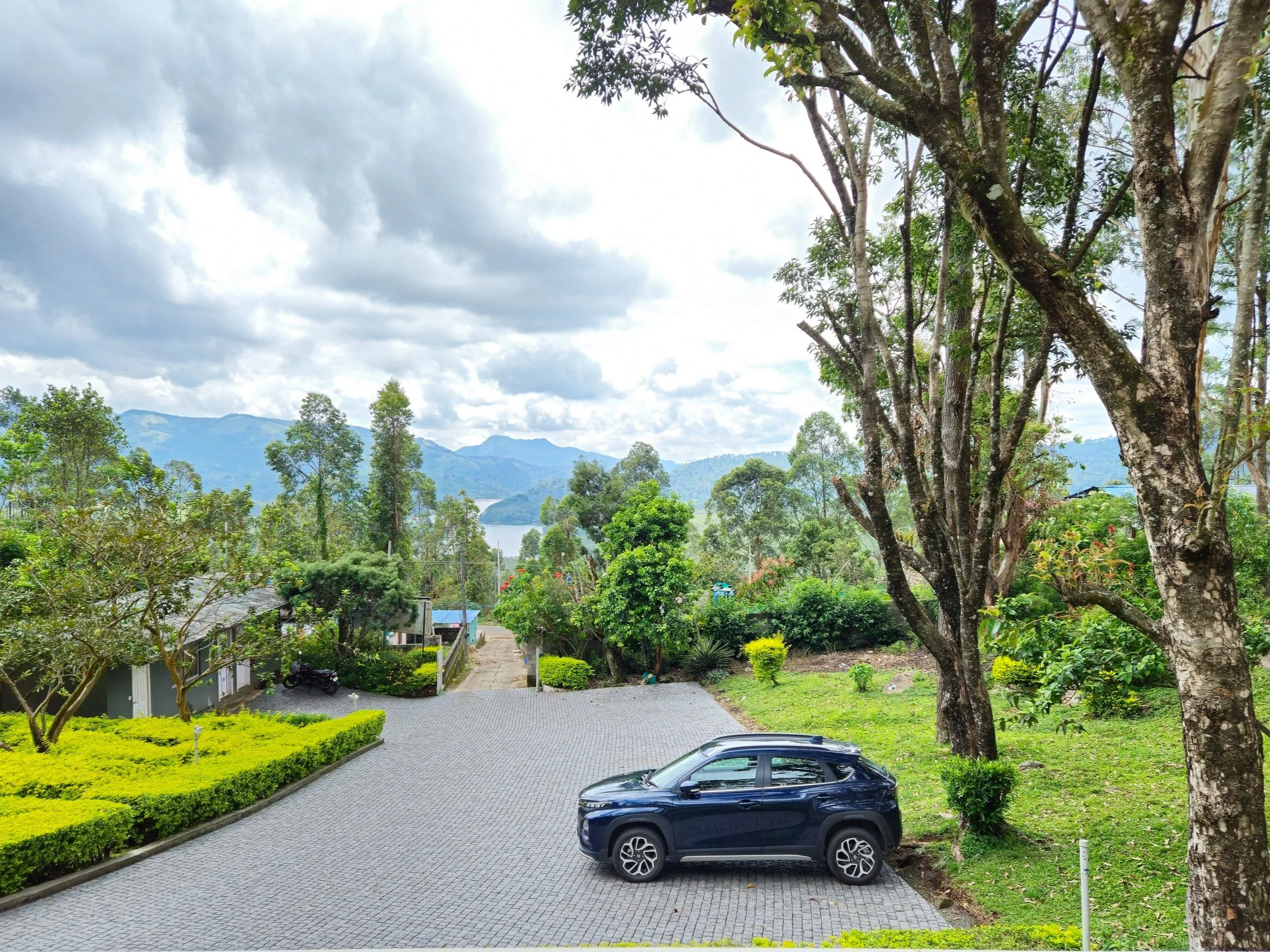
Not too far from Munnar, I entered a private tea estate (with the necessary permissions, of course). The road is frequented only by the local Jeeps so they've forgotten about two fairly prominent drops in the patchy road surface. The Fronx handled that without throwing a tantrum while it gobbled many more potholes without transmitting anything into the cabin.
Back on the open roads, it cruises remarkably comfortably, and you won't miss the relaxed nature of a diesel engine for this, either. In terms of fuel consumption, on this 700-km trip, the Fronx (also equipped with a mild-hybrid system) managed to return about 11 km/l, which isn't the worst, but there's still a fair bit of scope for improvement.
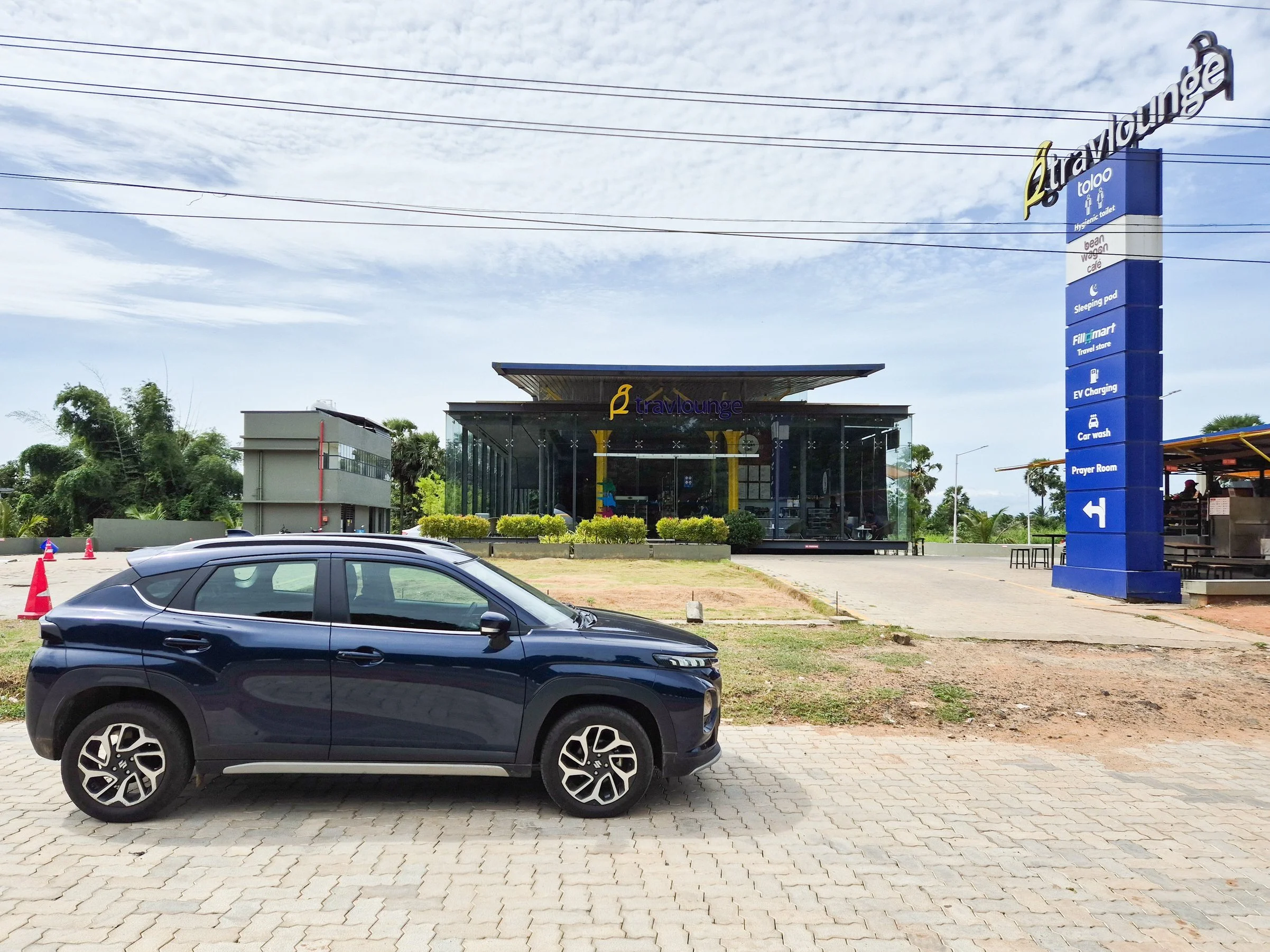
Here's some advice for those interested in following the same route: the Palakkad-based Travelounge is a lifesaver. With facilities like a comfortable sleeping pod, clean bathrooms and toilets, a round-the-clock store, and even a rather lovely cafe, it's the motorway services that we never got in India, until now. It's affordable, too, but pets aren't allowed.
Cochin to Munnar via Aluva (October 24) had some ongoing roadwork, so factor that in when making the journey. Despite that, it's not too arduous and a touch better than driving through Chinnar forest, which, while pretty, can get boring. Another downside is that the section has narrow roads, so you'll often need to get two wheels off the tarmac to let the oncoming traffic pass, although the Fronx had no issues complying.
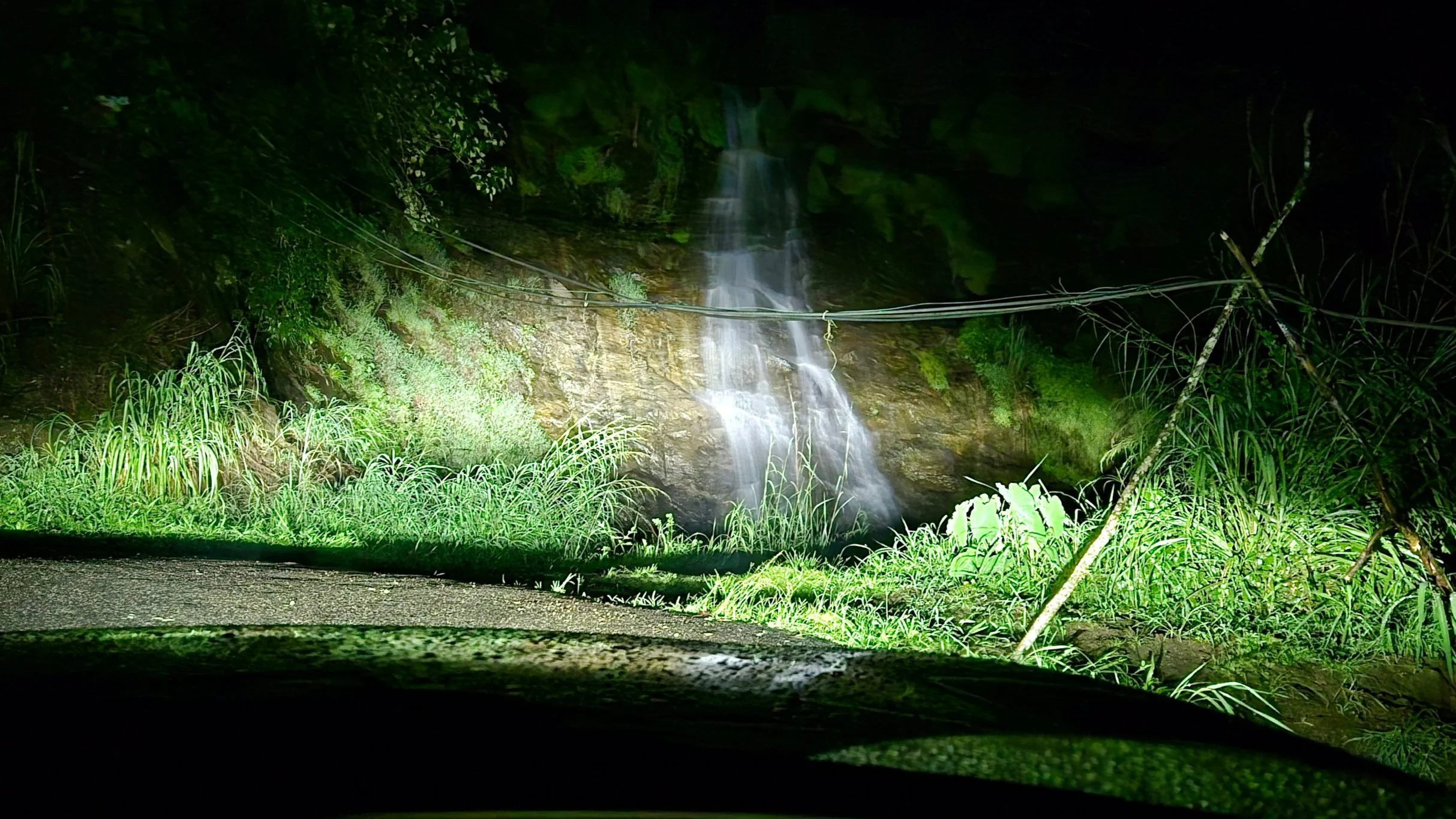
I reached Munnar from the Aluva side, and the navigation system decided to take the Bison Valley route at night. The roads are extremely narrow, the valley is full of blind turns, and it's pretty deserted, too. If your car doesn't have cornering lamps, then it's impossible to see where the tarmac ends. Thankfully, the AC on the Fronx is good, and it helped keep my forehead sweat-free.
If you want to read more about my Munnar drive, a travel story will appear on Detour-Roadtrips.com in the near future.
The Fronx was loaned by Maruti Suzuki for a review.