

The Never Ending Story: Mini
Winter is underway here in the UK and hibernation has been accelerated by COVID-19. With this change in season comes the natural process of reflection, harking back to the bygone days of minimal responsibilities, a small-scale world and exaggerated confidence. As the potency of decaying leaves rises and these swooping memories arrive, so do the fond images of youthful years piling into friend’s first cars – models which ranged from the MK2 Vauxhall Corsa to the slightly more bougie, MK3 GTI and then of course the classic Rover Mini. Cramming into the latter was particularly interesting, considering the size of the typical millennial teenager. With the current trends in motion, it seems strange that these debut automotive adventures in the future, may feature electric and/or autonomous vehicles.
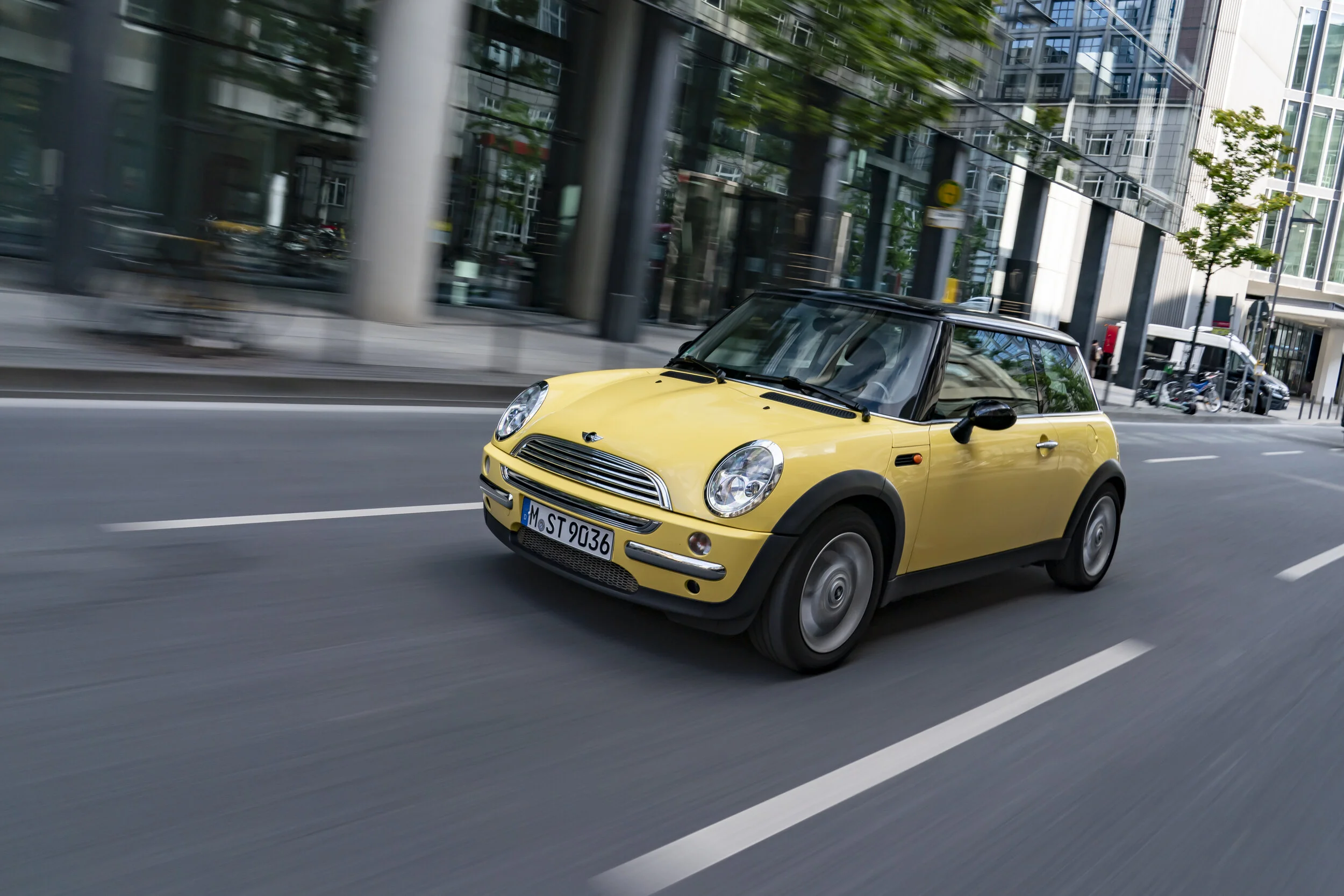
September 2020 marked twenty years since the last Rover Mini rolled off the production line, and twenty years since the BMW MINI concept was unveiled at the Paris Motor Show. And yesterday (November 18) was Sir Alec Issigonis’ birthday. Issigonis’ iconic, utilitarian and utopian vehicle saw many iterations throughout its protracted production period and continues to possess hearts and minds. This car transcends generations. The only fair comparison one can draw with this miniature god is the Spitfire – another pioneering piece of engineering from the boffs of UK’s renowned manufacturing era. Both invoke a feeling of identity, of Britishness; the kind of notion that social scientists spend years researching and writing about. And the conclusion is? Cambridge Analytica most likely have the answers to this one.
However, the answer has been in front of us for some time. Take an original Mini Cooper, drive back and forth along Regents Street; and the rumble of the 1275cc A-series engine will stop shoppers in their tracks. Likewise, conduct a low flyby in Mitchell’s high-performance Spitfire and the same spectators will be immediately transported to a time when community was far from divided. These two pieces of machinery are undeniably, synonyms for British identity, domestic and foreign.
There is no need to go into depth and breakdown the composition of Issigonis’ creation here - there is enough content out there available to the enthusiast or intrigued. Nevertheless, it is worth remembering the sheer contribution this individual vehicle has had to car design alone. Perhaps this is why reinventing this garage staple was so difficult – more about this below.
As the elongated life of the embodiment of the sixties began to tire - much like Jagger’s stage swagger - a new vision of the Mini was brewing. Plans to prepare the Mini identity for the 21st Century were bolstered by BMW’s acquisition of the Rover Group in 1994; with designers from British Aerospace (BA acquired British Leyland and Rover in 1988) continuing their work on the future design language of the Mini from the outset. BMW endorsed the work of Gordon Sked’s design team from Rover; particularly as the architect of the Rover-BMW deal, Bernd Pischetsrieder, has familial connection to Sir Alec Issigonis.
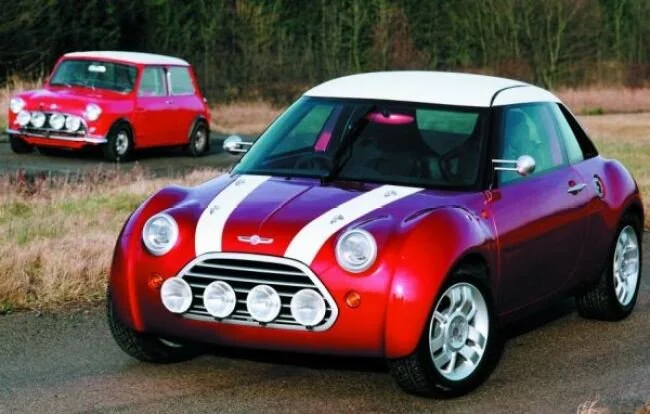
Roy Axe’s ‘Revolution’ Concept
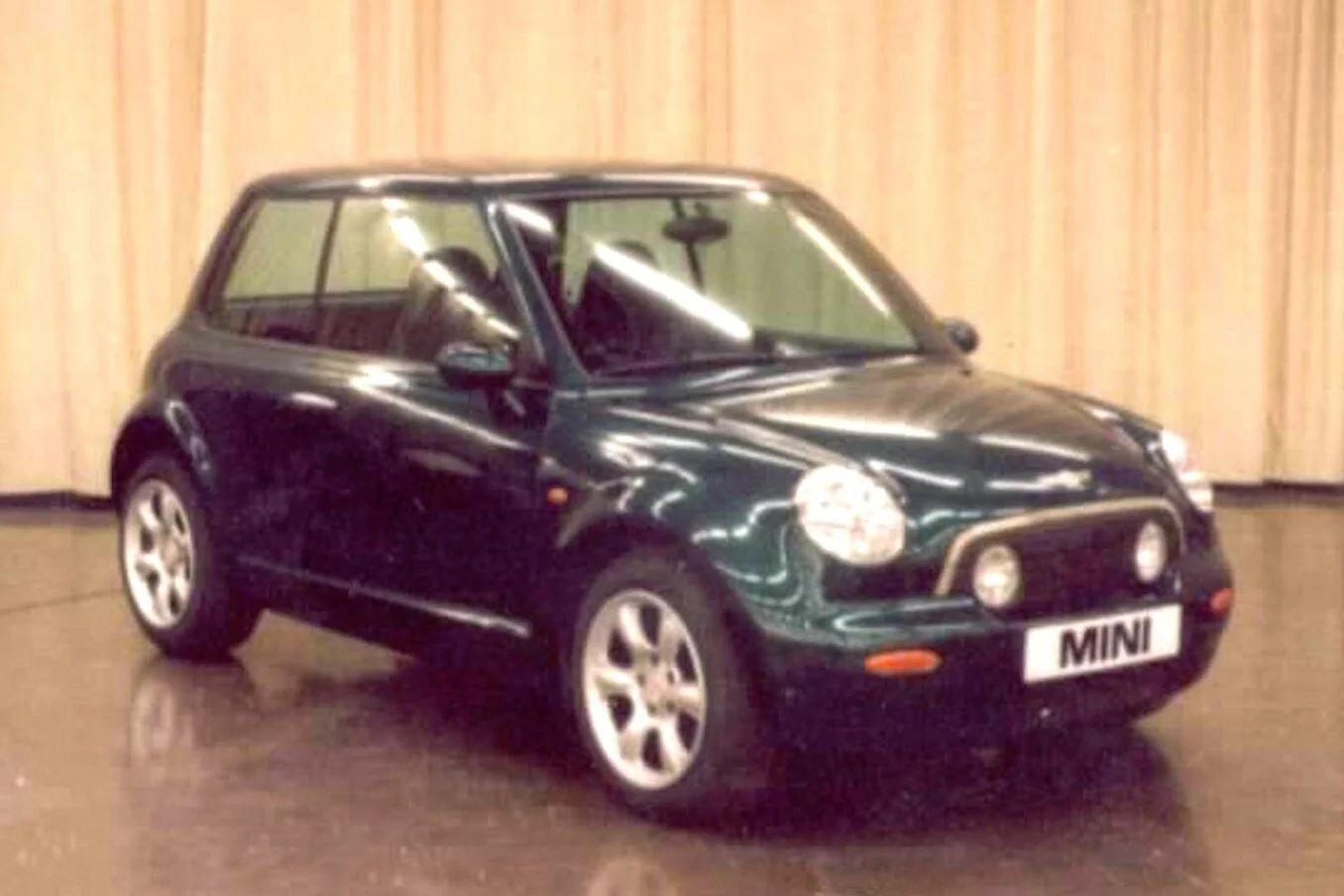
Jumping to 1995. Pischetsrieder went further in his endorsement of the British design team, netting the remaining individuals responsible for AD015 – John Cooper, Jack Daniels and Alex Moulton – to provide as much information about the original project as possible. To begin with it seems there was a great sense of collaboration taking place; with BMW permitting the British to pursue their vision of the new design. As Project R59 continued to develop, a distinct difference between the German and British visions emerged. The former intended to take the perhaps unintentional influence of the original to create a fashion icon, as well as an economical and sporty city car. Whereas, the newly appointed Design Director, David Saddington seemed to follow Issigonis’ more non-conformist, radical approach that intended to spawn some form of 10-foot long 4-seater Mini.
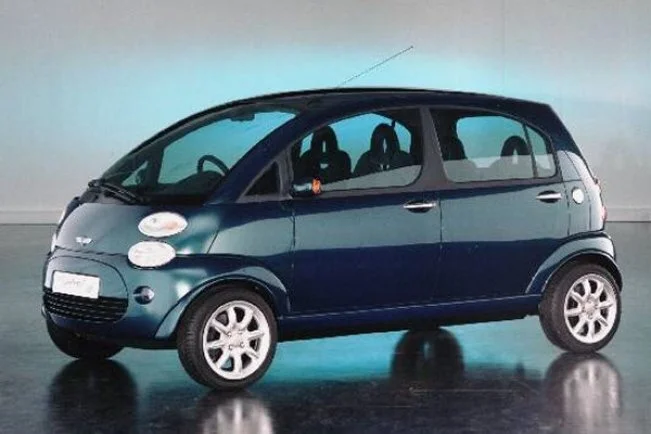
As progress was made independently of and collaboratively with BMW, the project saw multiple faces come and go; this process was inevitably complicated by differing visions for this vehicle. A particularly contentious moment in the process of redefining the Mini occurred in October 1995, when Rover and BMW’s design teams presented full-scale proposals at Heritage Motor Centre, Gaydon. It is unclear how many proposals were put forward by each side, however, it seems from the imagery that a fusion between the two side’s ideas was borne. Roy Axe’s ‘Revolution’ concept latches into American designer, Franc Stephenson’s, contribution on the BMW side. Rover’s influence also swayed BMW into recognising the need for the 21st century reincarnation to be functional, with a 2+2 configuration very much like Rover’s other concept the ‘Spiritual.’
This story is truly one of trials and tribulations, with many moments of contention, back tracking and international excitement. Perhaps worth noting is the considerable energy injected into the engine and gearbox by British engineers. Former Mini Development Engineer stated in an interview with Car 2001, ‘even the Mini’s engine and transmission were developed at Longbridge and Gaydon… [and] the original UK based engineers put in the R65 gearbox (used with Metro, 25, 45 et al.) instead, because it was £100.00 cheaper per car, more compact and had no inherent cyclic vibrations, so a mass damper was not needed.’
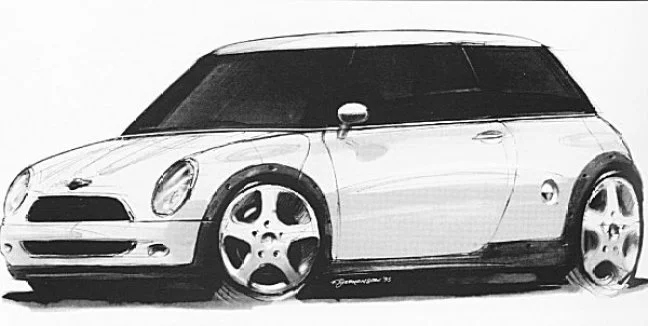
Franc Stephenson’s Early Design
It is necessary to emphasise this as BMW eventually revoked Rover’s primary command of the project, partially because Rover’s main allies, Pischetsrieder and Wolfgang Reitzle resigned. With the sacking of Chris Lee (the man who worked to get the vehicle production ready), Project R59’s first Director, Heinrich Petra, was back in charge. BMW went to launch as the vanguards of the reimagined MINI. By the millennium, BMW had finished the assembly building at Longbridge and were determined to obtain all MINI design files, confirming the end of the partnership and their intention to ramp up production for a January 2001 on-sale date.
Twenty years on, the MINI remains a common sight on European roads, with 346,639 sold in 2019 alone. A massive 88% increase compared to 2001. This metal celebrity is like Marmite, continuing to provoke debate amongst the die-hard fans. Ask any one of the international readers of Mini World Magazine and I’m sure the majority had hoped for a different outcome from the Anglo-German partnership.
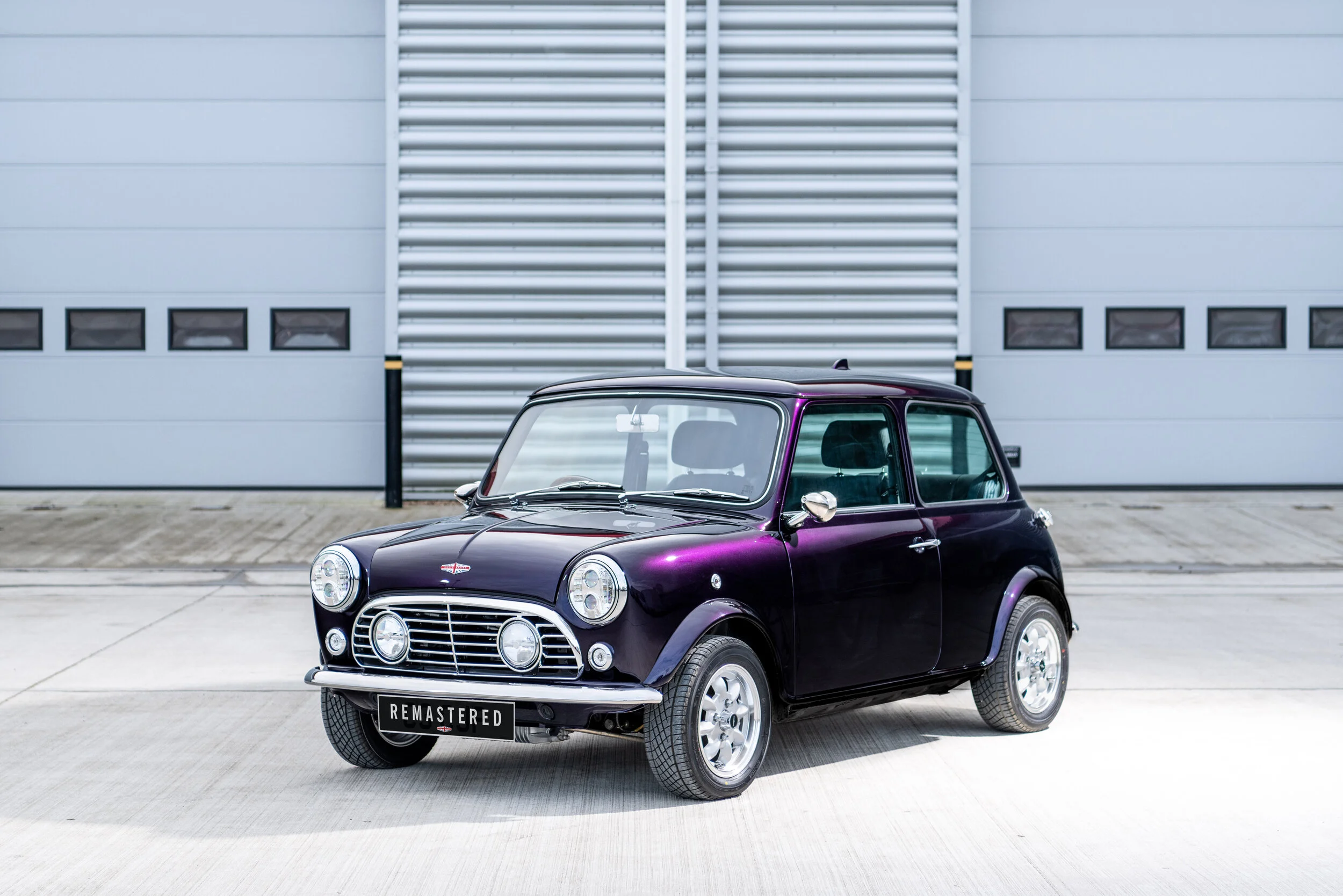
Alas, for those that have sensitive taste-buds, low-volume coachbuilder David Brown Automotive proclaim to uphold BMW’s original intention - to remaster the original classic as if it had benefitted from years of development. Based opposite the technical, engineering and motorsport hub of Silverstone Circuit, David Brown Automotive conduct the assembly of three different made-to-order products, Speedback GT, Speedback Silverstone Edition and Mini Remastered.
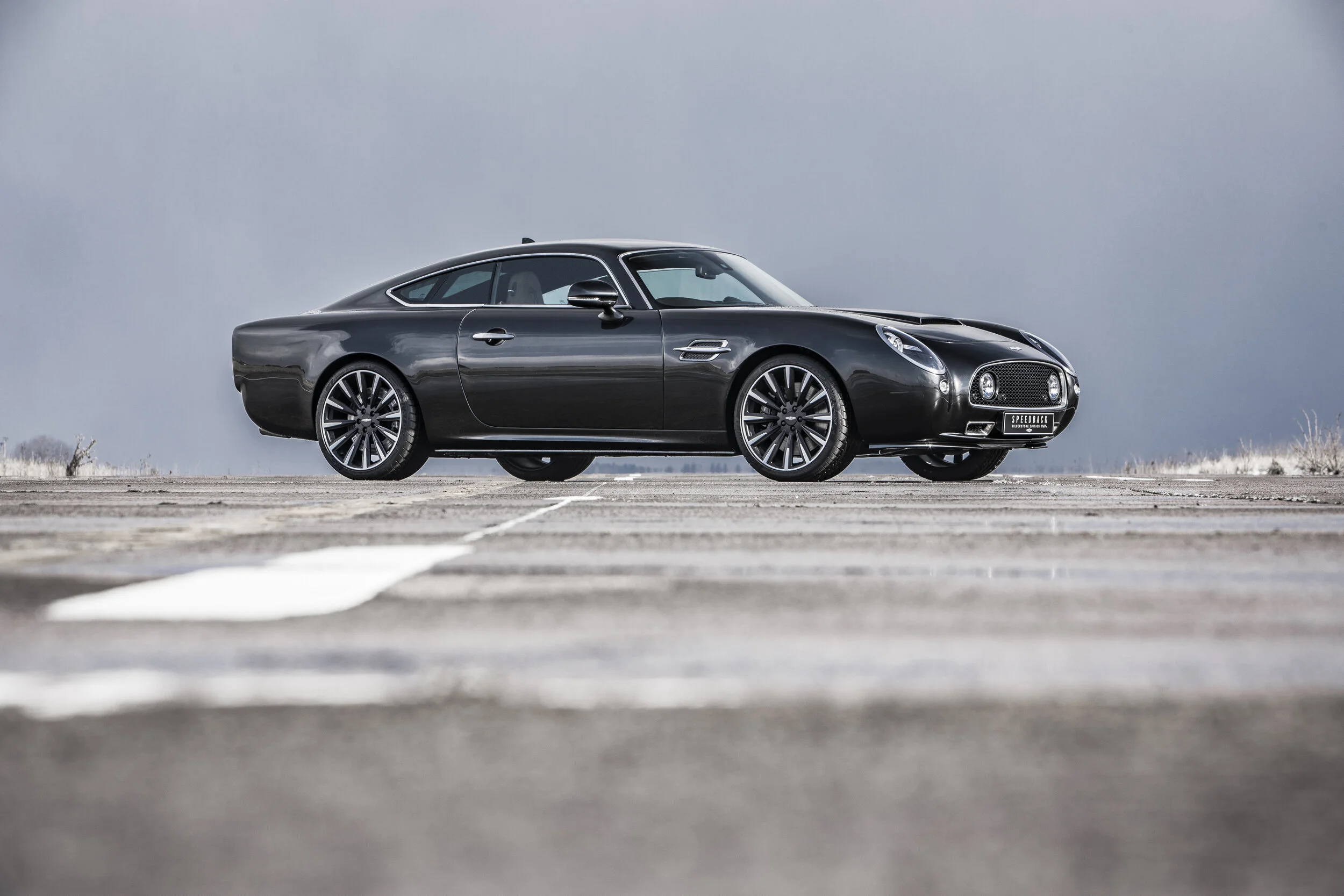
The company’s initial product, Speedback GT, is a modern take on the sixties Grand Tourer, blending classic curves and chrome bumperettes with a contemporary powertrain and modern tech. Everything above the aluminium Jaguar XKR underpinnings, is bespoke and tailored to the customer’s idiosyncratic inclinations – the architecture does however prevent structural and tech changes so you will ultimately be dealing with 10-year-old graphics and processing power. The Speedback Silverstone Edition followed as a performance variant, with an extra 100hp and a more aggressive styling inspired by the jet age.
The company’s international acclaim and reputation was elevated in 2017 with the launch of Mini Remastered – a 21st century take on the original vehicle and suitable for the ‘hater’ camp of the MINI-Marmite arena. The company set out to reengineer the original design to make it relevant to the demands of modern driving and of course, to the northern hemisphere’s weather patterns. Starting out with a donor car, the company makes use of the A-series engine and gearbox, discarding most of the remaining donor parts. This enables the vehicle to be registered as the original vehicle at the end of the ‘remastering’ process. The classic A-series engine and gearbox receive a complete refurbishment and are improved with a MoTec ECU; available as either 1275cc or with the cylinder bored to achieve 1330cc and 82hp. Gearboxes include a 4-speed remastered automatic, 4-speed manual and 5-speed manual.
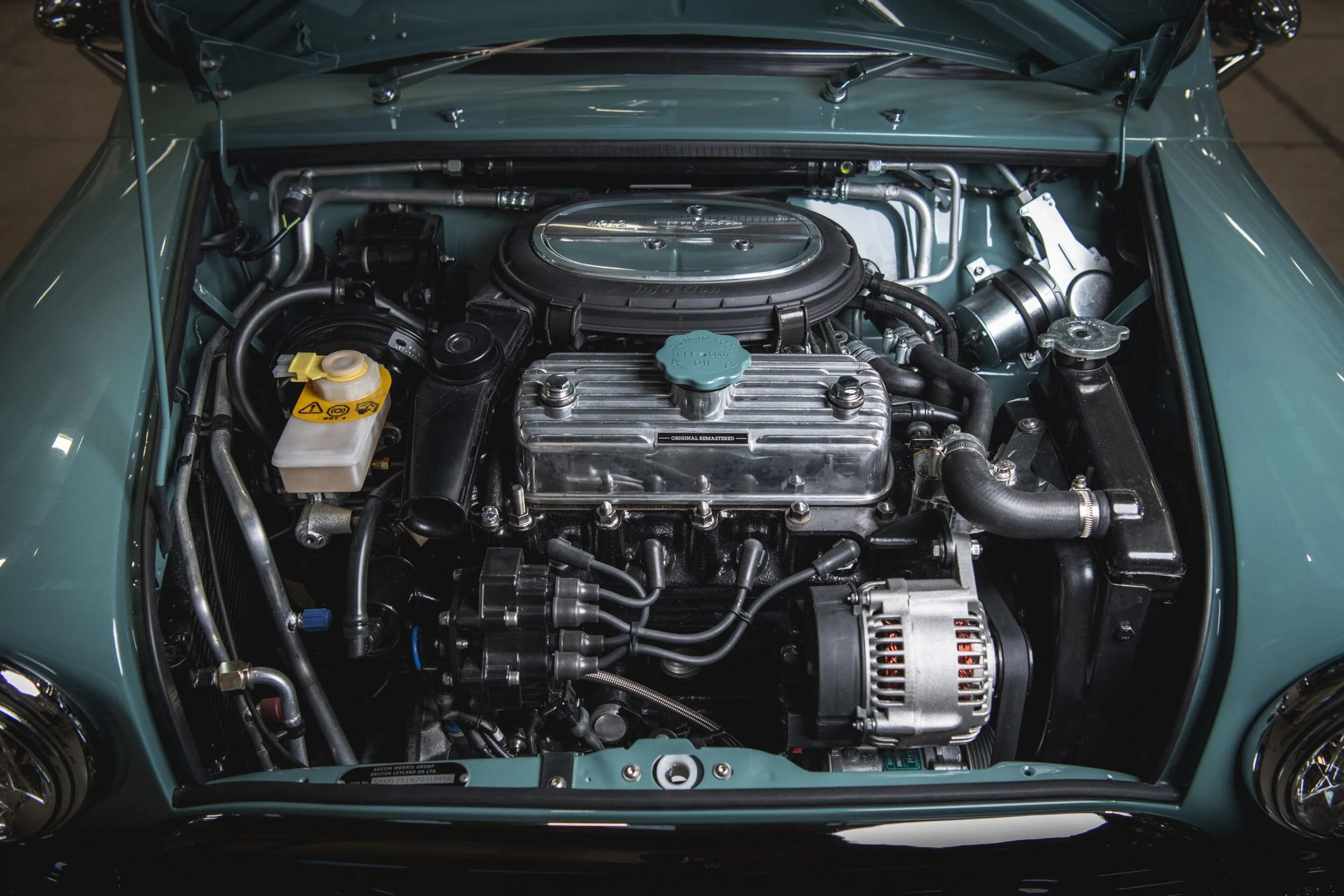
A new shell is acquired from British Motor Heritage and re-engineered according to the company’s stylistic preferences – the seams and external door hinges are removed, wheel arches are welded on and the A, B and C pillars are strengthened. The body also receives a full e-coat to deter the reputational rust fervent Mini owners are all too familiar with. Having driven the vehicles, the power-steering makes for an enjoyable and nostalgic drive; particularly as the assistance provided doesn’t enable a one finger turn. Instead, the company’s engineers have adjusted the settings to retain that unique driving experience – to connect the driver with the road and inject a dose of courageousness when tackling roundabouts.
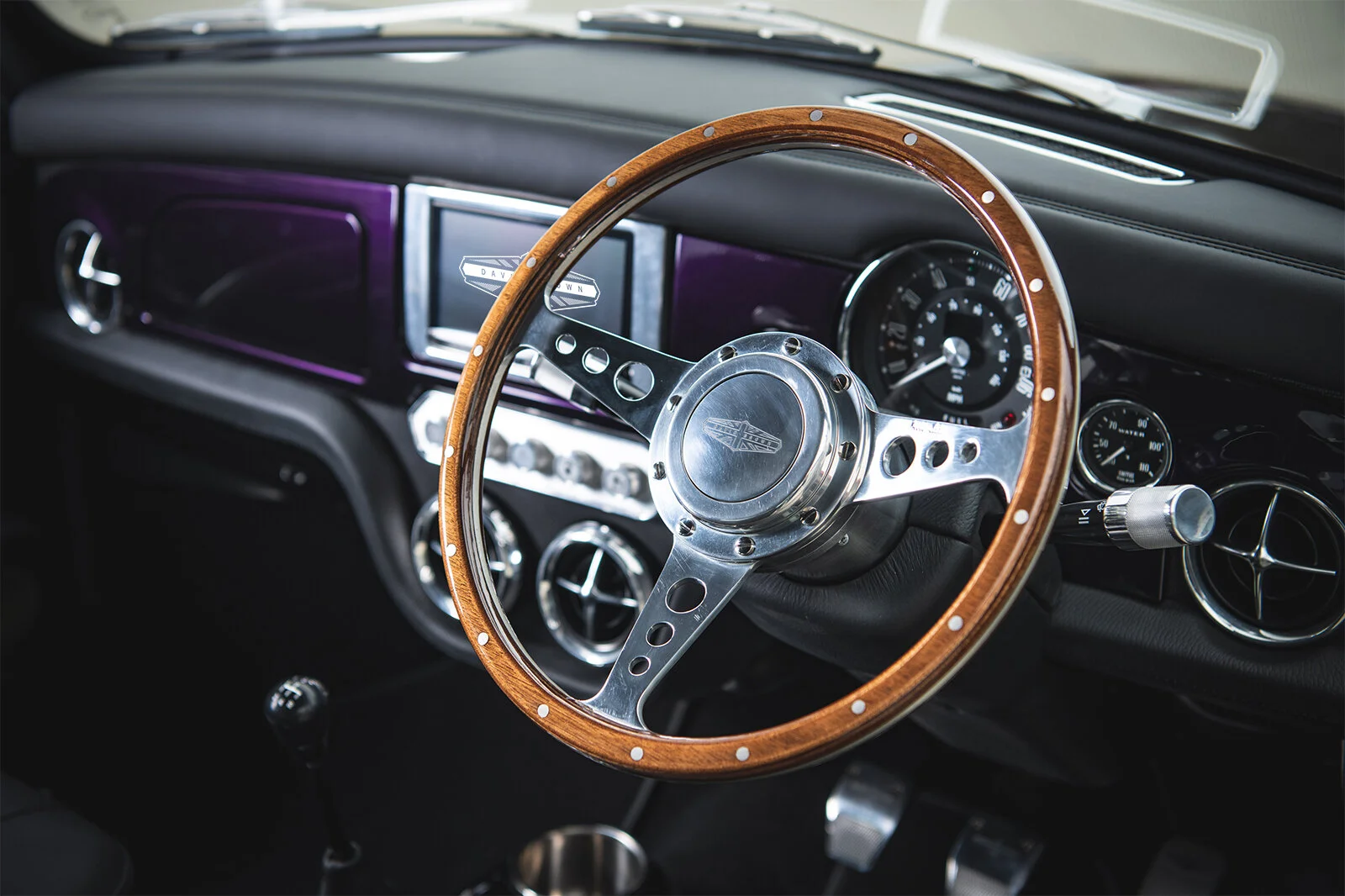
As for the interior, an array of bespoke options exists to level-up the utilitarian ‘people’s car’, to one of exclusive opulence and indulgence. The interior can be laced with British leather hides, available in an array of colourways and forms such as Burgundy Nubuck; other options extend to materials such as Tweed. Bespoke wouldn’t be bespoke without making targeted changes to interior elements such as the stitching, IP and seat belts – accent colours add life to the interior. A process used in the suiting world where different weaves define shapes and accentuate colours where necessary. The personalised design process allows the customer to strategically implement their imagination by working with the company’s design team to produce digital renders of their final product. Whilst some might think this spoils the process there is a definite advantage here, which is one of reassurance. The knowledge that the £90,000+ (or around 85 lakhs if you’re in India; excluding the import duties, of course) you will be dropping on a Mini, is going towards a configuration you actually desire. Let’s hope it doesn’t weigh too much.
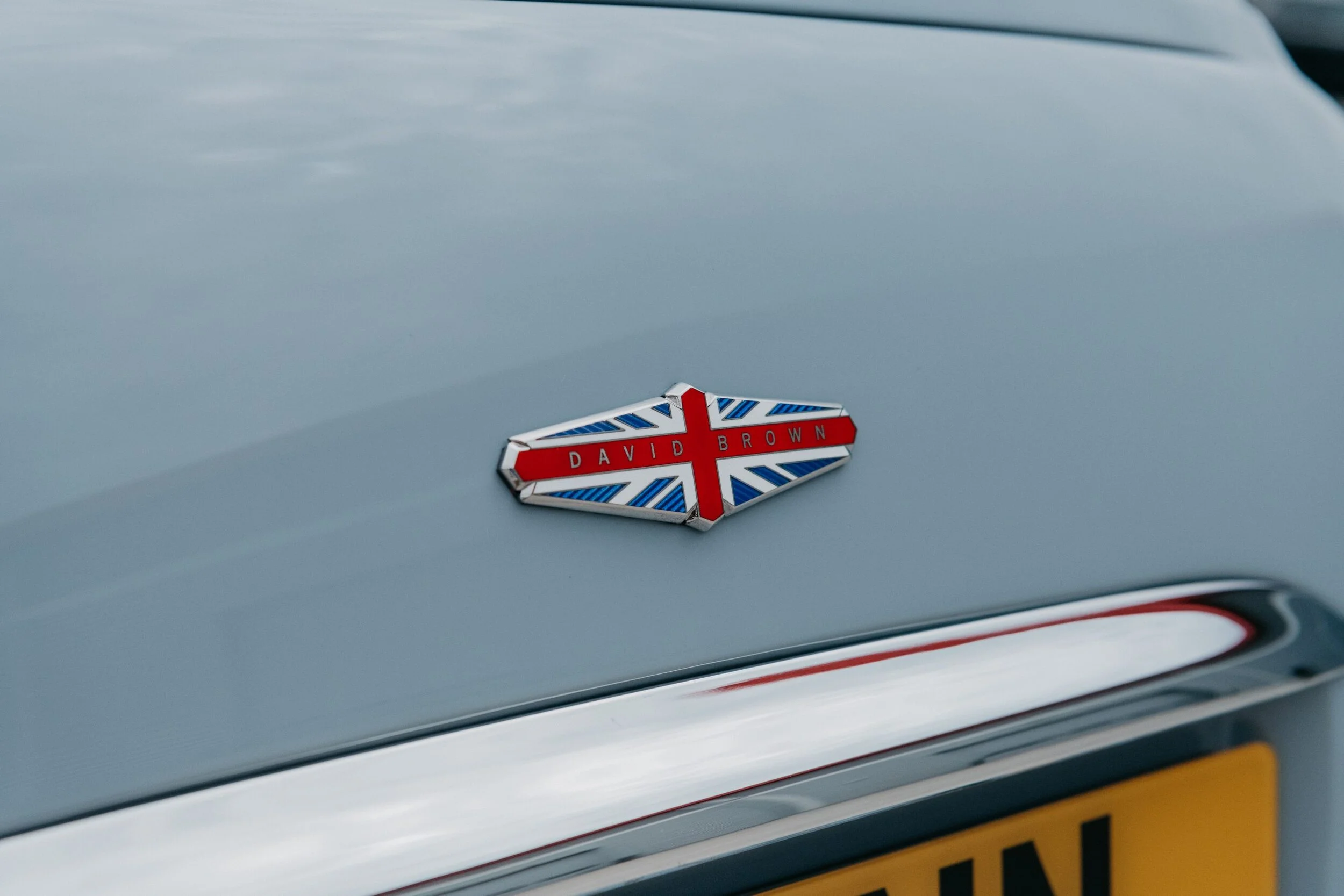
Mini Remastered is functional on a daily basis, with navigation provided by the touchscreen infotainment system, complete with Apple CarPlay™ and Android Auto™. Air conditioning and electric windows also keep passengers comfortable when traversing the Thames. Other functional options include a panoramic sunroof and heated front and rear windscreens. The company has really managed to pack a lot into this vehicle – it is very impressive. Some of the more glamorous touches include knurled aluminium switches operating the air conditioning, indicators; not forgetting the keyless engine start function. For those who are unfamiliar with Mini Remastered or the classic Mini, these touches seem to add scale to the vehicle – to make it appear not only grand but somewhat excessive. Similar to wearing a cravat and a tie simultaneously perhaps. Albeit, Mini Remastered has been an international success according to the company and there are no signs that the company are slowing down. Founder David Brown (no relation to the DB of Aston Martin) recently sold his majority stake to UK Advanced Industrials LTD, securing the company’s future in these unstable times. Perhaps this was the necessary step to fulfilling Mini Remastered, Oselli Edition - a performance variant with a stage three 1,440cc engine producing over 100hp and made in conjunction with British classic car performance specialists, Oselli Engineering. This new product was announced at Goodwood Revival, 2019.
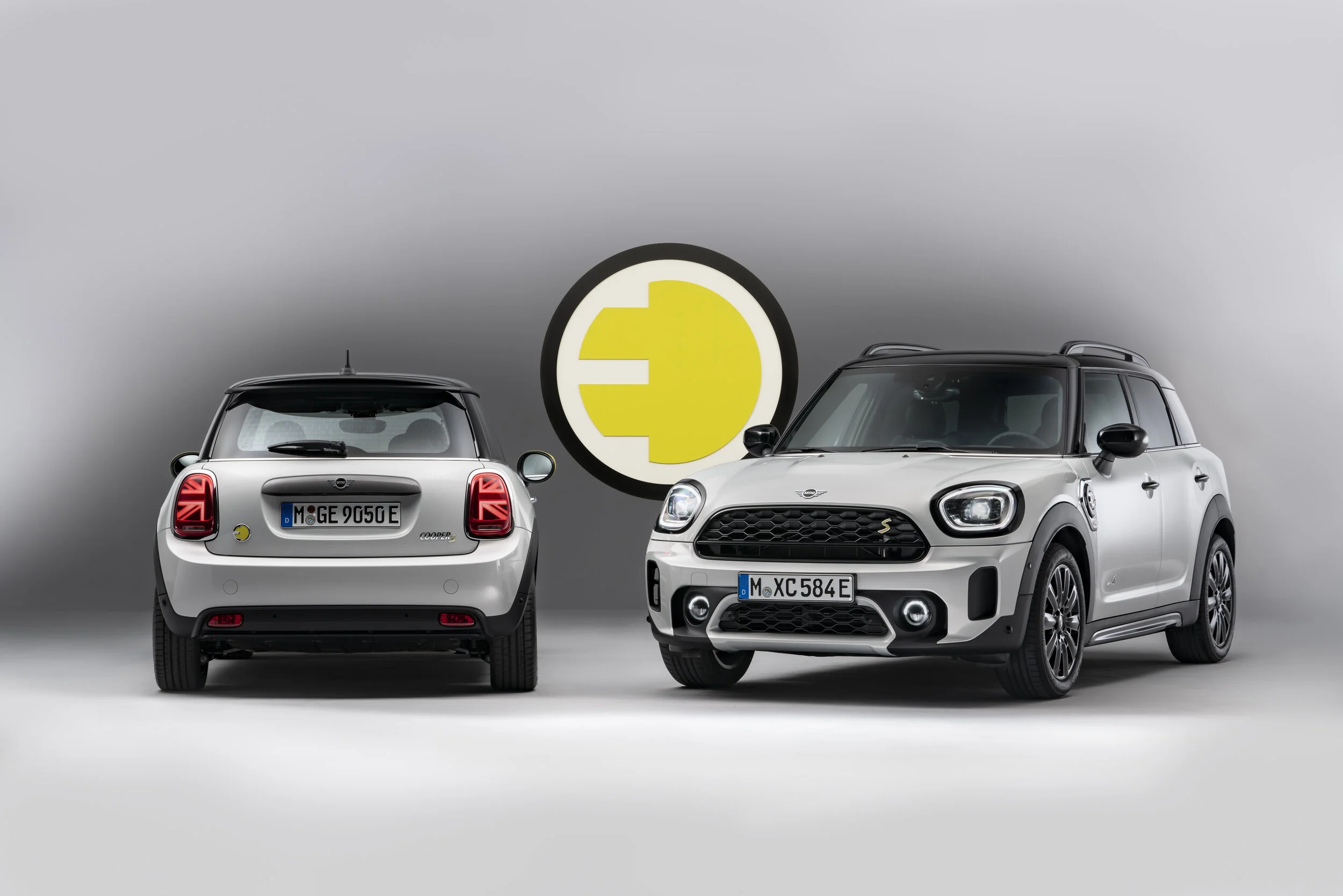
Whether you prefer the BMW rendition or dream of having the cash to splash on a Mini Remastered, the obvious major diversion remains the future of driving. MINI Electric has already been launched here in the UK and the number of EVs on offer is increasing. Likewise, numerous classic car conversion specialists will take your beloved and create a silent icon. It’s electrifying. There is no doubt that bespoke, low-volume coachbuilders like David Brown Automotive will continue to arouse interest internationally. However, as the pressure to preserve the originality of classics mounts, could this super luxury offering become irrelevant? Will the tsunami of technologically advanced vehicles erase the relevance of this period of social and automotive cultural change? It certainly seems that way. The youth of today barely scraped 911 and the P2 Volvo V70 T5, why would they idolise vehicles that preceded their parent’s existence? Is it of importance to them, that we idolise this era of design? The modern day homo sapien, wielding their smart phone and google calendar dictated schedule, will certainly be more impressed by the option to take a kip whilst hurtling down the motorway. BMW understands this future and so, the story continues with the #NEXTGen MINI Vision Ubernaut - a concept of future social mobility enabled by space, function and autonomy.
Marketing a car like the Mini worked because it enabled society to be sociable, to experience the world and make do with less. As do classic cars and technologically superior vehicles. The space between is occupied by products like Mini Remastered – a vehicle trying to find its identity amongst the heritage-ridden and utopian-obsessed brands – and is in danger of taking one direction whilst the world goes another; particularly as the price far exceeds that of other forward-thinking, luxury utility vehicles.
Mini Remastered is a made to order product and can be commissioned via the company’s website. Prices start from £75,000.00 (excluding local taxes). The company have delivered cars to all corners of the globe. MINI models can be acquired at varying price points, with the first John Cooper Works R53 edition fetching circa £2,500.00 GBP on eBay. The new MINI E starts at £25,000 with the most modest specification.
What do you think?