

Halfway: Maruti Suzuki S-Cross Review
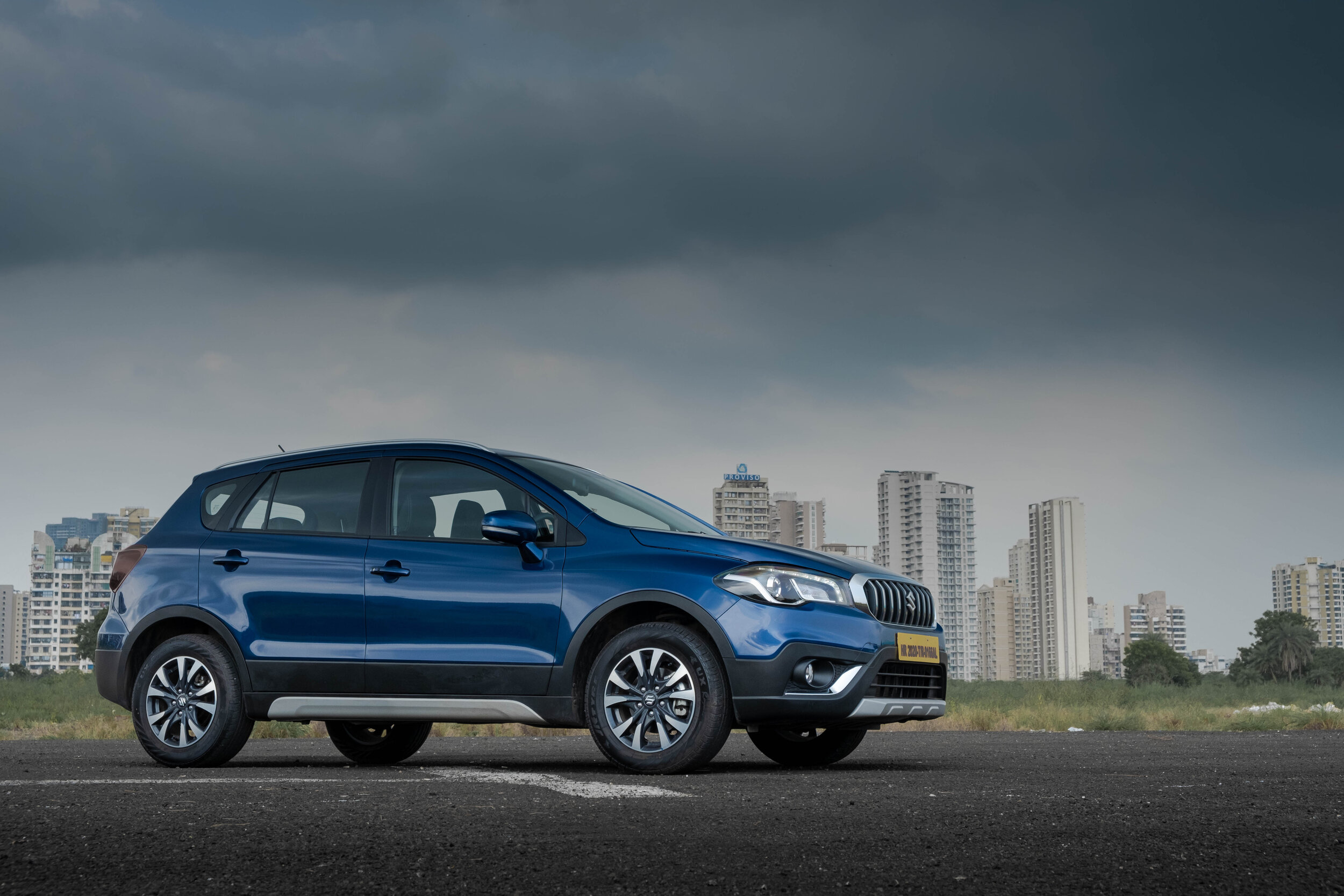
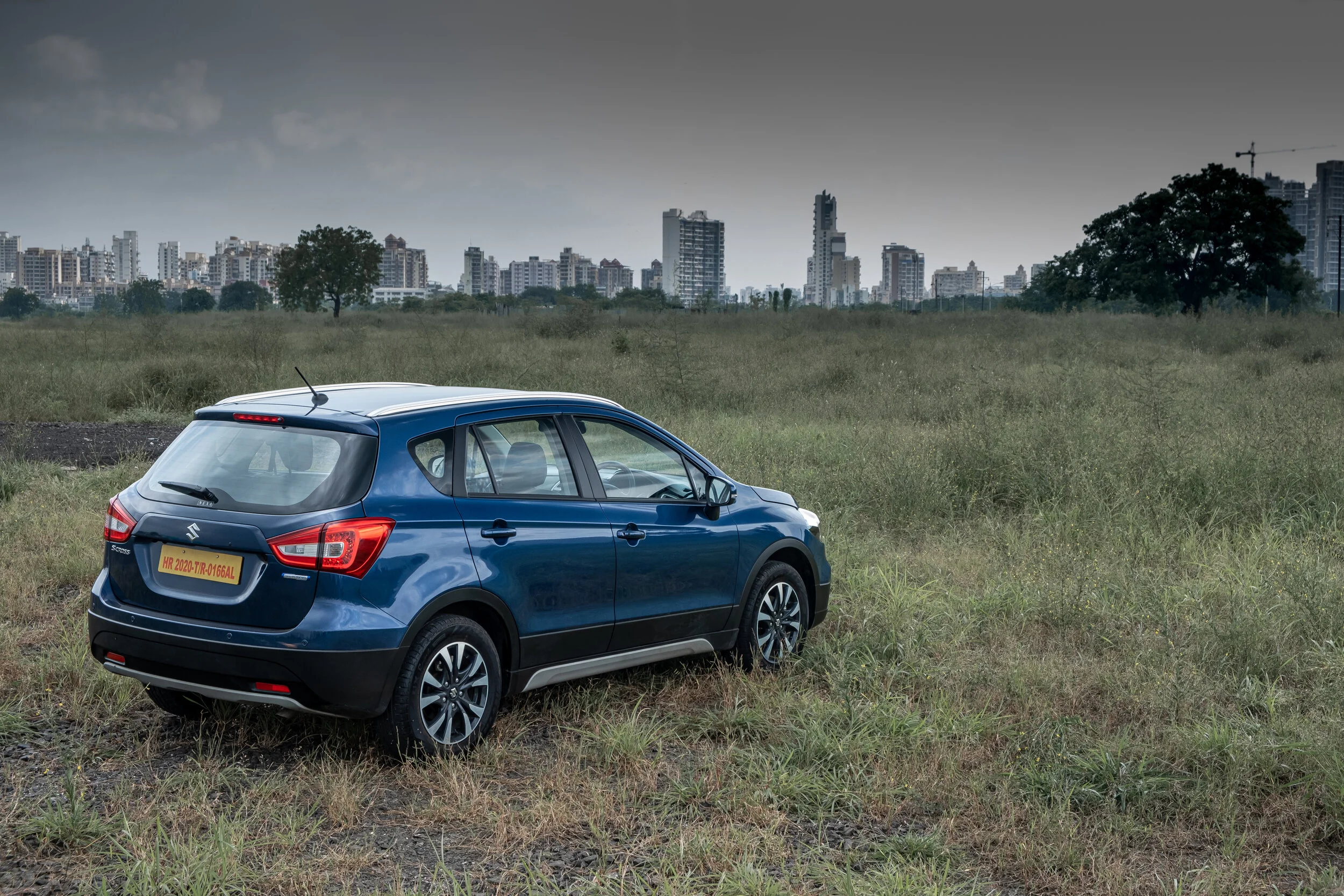
So much has been said about crossovers that it makes no sense to continue with that conversation anymore. The market loves the idea of something that offers some sort of SUV experience but not without the comfort and ease of a hatchback. Your usual motoring writer generally dislikes it because the crossover isn’t either as cool as a hardcore SUV or has the driving dynamics of, say, a modern hot hatchback, even if the crossover in question is as powerful and well-equipped. The further marginalisation of the segment is due to the presence of slightly taller and bulkier vehicles — loosely termed compact SUVs by the marketing bods. Ironically for products that sit on the fine line between two perfectly useable body styles, crossovers have lost the middle ground — where those seeking driving satisfaction could coexist with others who never fail to ask for more ground clearance. The S-Cross looks like a car that caters to both, without making too many compromises. A true crossover, perhaps! In the latest review for The Car Cult, Paranjay tries one out to figure if crossovers can exist in 2020 without resorting to the now-commonplace styling of SUVs — large wheels, square-ish wheel arches, roof rails, and a fairly tall (for a car) body.
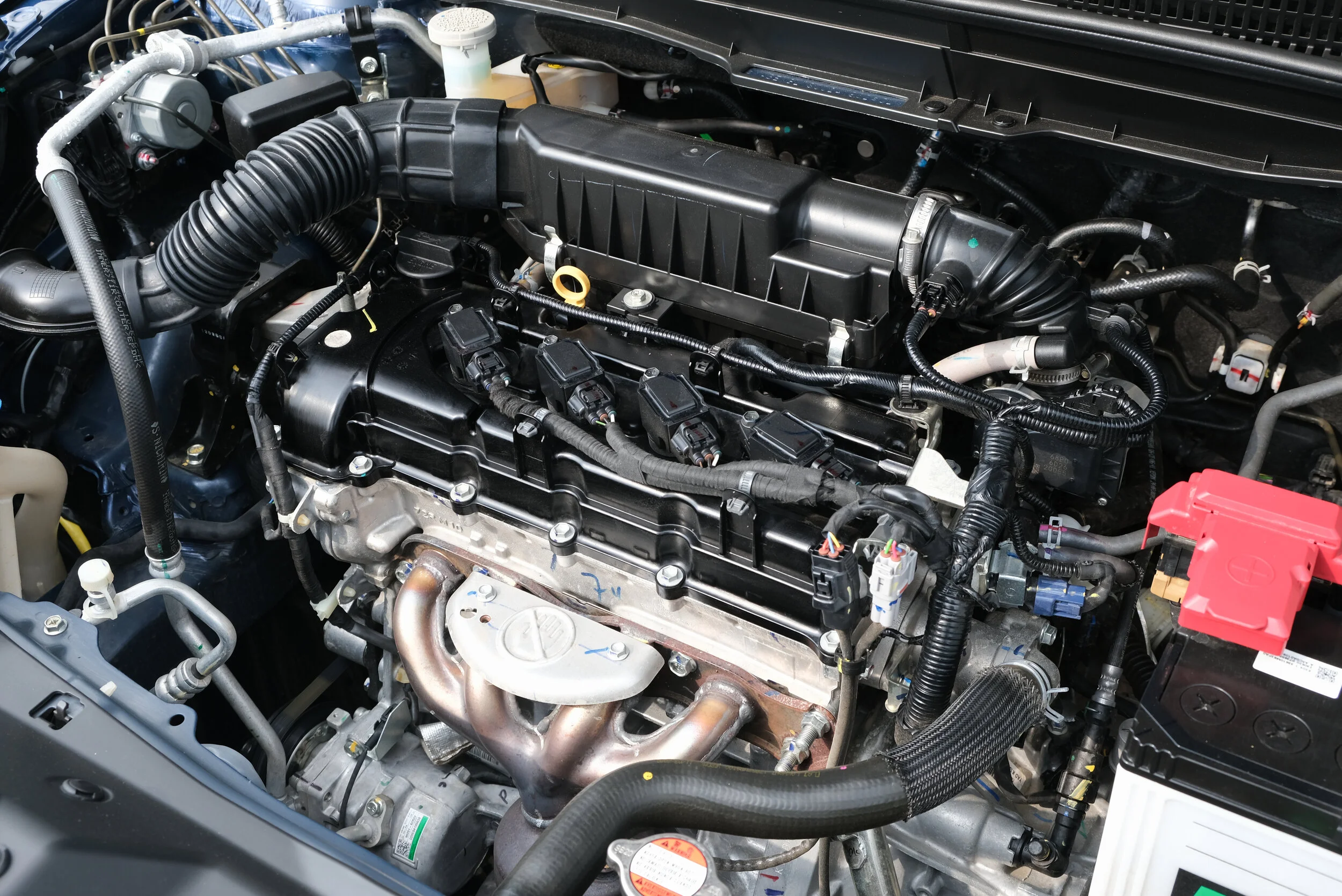
Maruti Suzuki launched this version of the S-Cross in 2017, and it recently got a new petrol engine. As you must’ve heard, the company has moved away from diesel engines on new cars. That’s a big step for Maruti, because the two of its bestsellers which have been instrumental in kickstarting two new segments (the Swift and its saloon counterpart, the Dzire) and bringing a lot of sales to the company have been successful largely because of the presence of the Fiat-sourced Multijet diesel engine. But Maruti Suzuki has given that up for an all-petrol line up. And now sat proudly in the engine bay (of all its larger cars including the S-Cross here) is a new 102-bhp 1.5-litre naturally aspirated petrol engine. In the UK, you can spec the S-Cross with a 1.4-litre turbocharged petrol engine and even all-wheel drive. Those two things add gallops of weight to its crossover credentials. But, alas, not so much here!
When other carmakers have increasingly flocked to the dark side and embraced turbocharging, it wouldn’t have been too difficult for Maruti Suzuki to do the same, but it hasn’t. The issue with a naturally aspirated engine, especially in recent times is that it mightn’t be able to offer the kind of ‘tractability’ or even an explosive surge of power that a modern turbocharged engine can provide without demanding the driver to rev the bolts off that thing. Which means, in this case, despite Maruti’s efforts in keeping the S-Cross relevant, it’s likely to be overshadowed by evidently more modern compact SUVs in the space.
It’s a shame that we’ve so easily agreed upon the aforementioned highly plausible but equally ridiculous assumption. But bother, you must not. Because the S-Cross isn’t irrelevant. It mightn’t be the newest car out there, or one with the most features, but it gets the basics right.
It is front-wheel-drive, so not unlike other Maruti Suzuki cars, but it’s clearly more stable. The steering feels fairly direct, far from the sharpest out there, but the inputs don’t go unnoticed. It’s light enough to work well in the urban environment, too. It also hides its weight very effectively, because, on the move, the S-Cross does feel light (not unnervingly), nimble, and keen to follow your directions. If you look at the specs, though, you’ll find out that it’s actually decently heavy, weighing just a smidge under 1.2 tonnes (kerb). The control weights certainly make driving the S-Cross confidence-inspiring if not outrightly engaging. The gear shifts are generally smooth — gears slot in well, though not comparable to the open-gate Ferrari’s you’ve been dreaming about. If you’re in the mood to push the car, you’ll enjoy the honesty and simplicity of both the engine and the ‘box. Quick getaways, check. Confident under braking (it gets disc brakes on all four wheels), check. Ready for a session of heel and toe? Also, check. Matching the revs on an engine that becomes pleasingly vocal (it’s still a small capacity four-cylinder, so don’t expect a lot of drama) is a delight and adds to the driving experience. There is some body roll and a little bit of vagueness that thwart the S-Cross’s intentions of becoming your favourite driver’s car. But in comparison to most other cars in the price range, the S-Cross seems to fare much better.
In terms of appearance, it’s a step upwards from the pre-facelift car, with more assertive styling elements if not sporty. The Giugiaro-designed SX4 S-Cross was a quirky little thing — and I feel it looked better in the crossover form than it did in the saloon. This tones that down a little, so while it becomes appealing to a wider audience, it does miss out on the ability to stand out. Having said that, one doesn’t have too many options in the space, which helps establish the S-Cross’s presence. That mightn’t equate to segment-leading numbers, but for someone who doesn’t want a high-riding faux SUV, it looks like a nice choice.
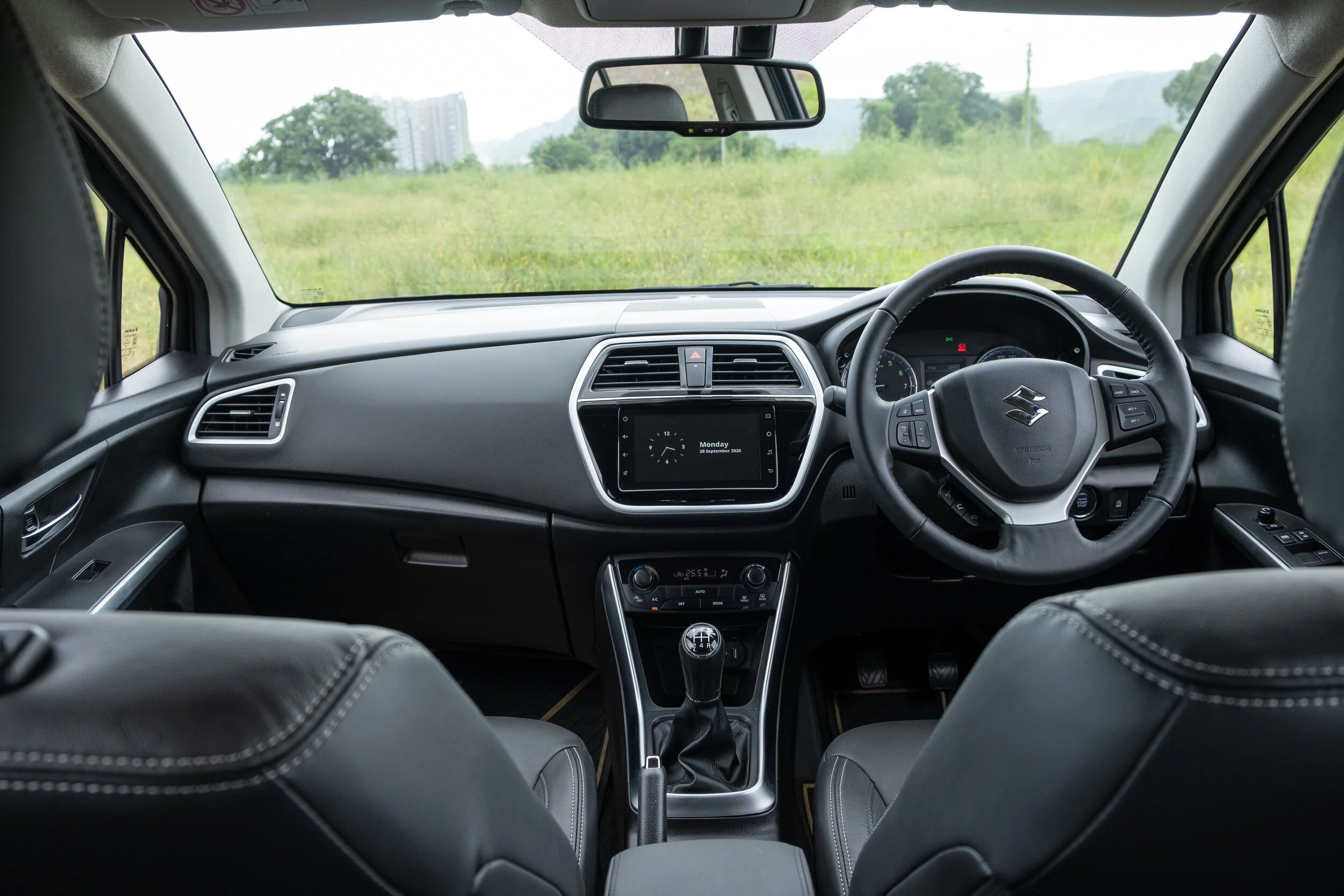
The interior isn’t very different in that regard. The seats are comfortable, but visually there’s not much that’s happening. The dashboard design isn’t exactly from 2020, and it doesn’t have the features that others in the segment have, major omissions include six airbags, a sunroof, ventilated seats, etc. But you do get a decent (not outstanding) Apple-CarPlay-equipped audio system, adjustable steering (for reach and rake), and a lot of space. Some features are limited to the better-specced version, like height adjustment for the driver’s seat, but Maruti hasn’t stripped the lower variants of most of these, which is good to see. There are four trim levels to choose from, namely Sigma, Delta, Zeta, and Alpha. And with not a lot separating the latter two in terms of useable features, if you’re looking to save some money, the S-Cross Zeta mustn’t be overlooked.
What works in the S-Cross’s favour:
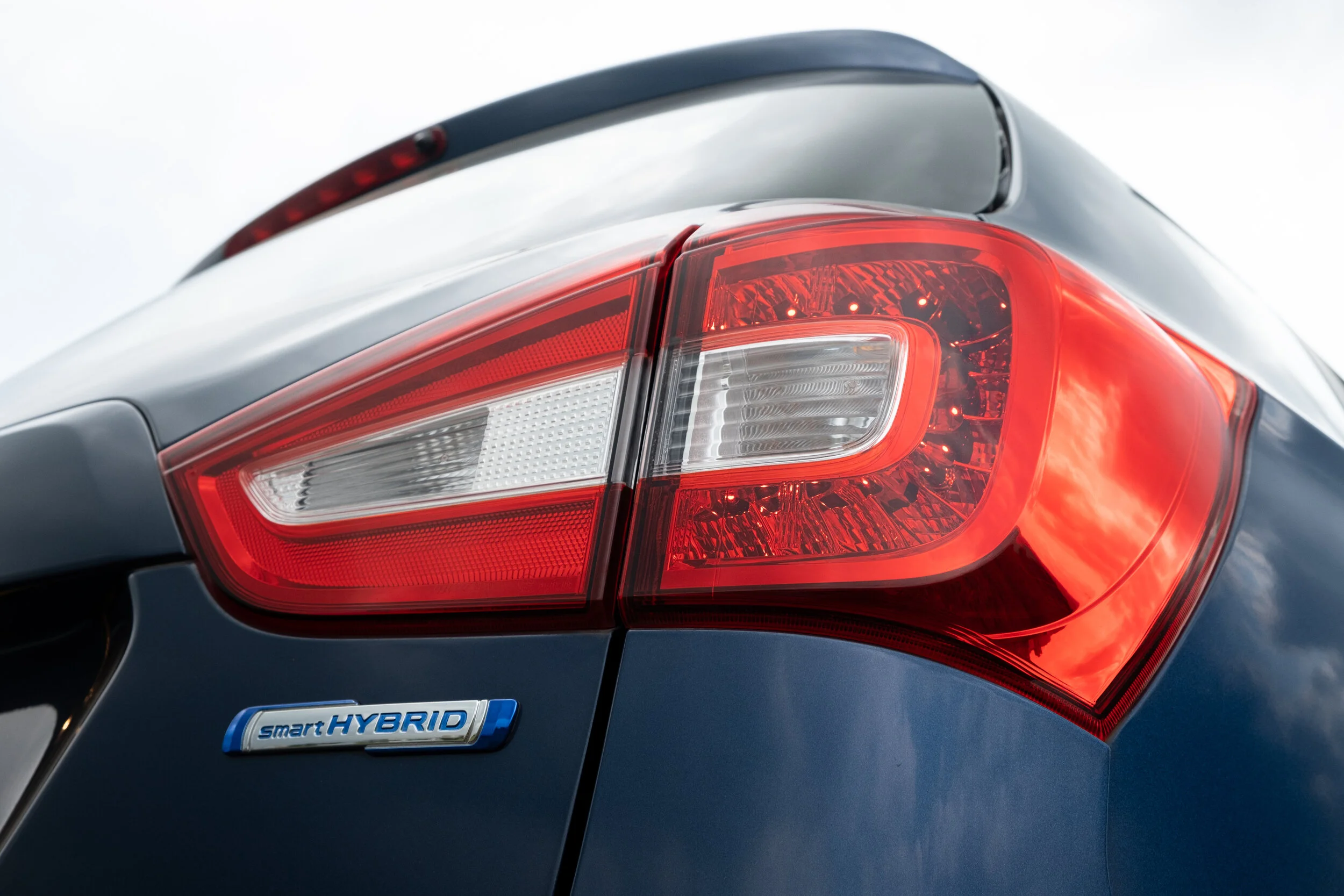
Crossover styling, the way it drives, smooth ride, the overall confidence even at motorway speeds, and, of course, the engine+gearbox setup. The Smart Hybrid system lends the S-Cross some assistance with acceleration and it stores energy under braking, too. The overall refinement isn’t bad at all and as an everyday car, it seems like a good choice. In terms of reach, there’s nothing that comes close to Maruti Suzuki’s dealership and service centre network. And although it’s sold via the company’s slightly upmarket NEXA dealerships, the availability of parts is unlikely to be an issue. There’s a lot of space inside (and in the boot), which is the usual trade-off in the case of other sub-four-metre crossover/sub-compact SUVs , but not with the S-Cross (which is a little longer at 4.3 metres).
What doesn’t:
Despite being the most likeable car in Maruti Suzuki’s portfolio, the S-Cross feels a little underwhelming. The cabin might be spacious but it’s not as inviting as other modern cars’ in the segment. Looks are subjective, but the exterior isn’t characterful, either. And it also lacks a more powerful engine option, which is a misery considering the car feels like it can handle a little more power without destabilising itself. And then there’s the lack of features.
What I think:
There’s a fair bit to like about the S-Cross and there’s no denying that it’s a charming car — utilitarian but charming. You’ll need to look beyond its newness (the lack of it) to actually appreciate it. It may appear that the S-Cross isn’t ready to take its competition head-on, but that’s not entirely true.
The S-Cross relies heavily on simplicity, which works really well for it. It’s as if Suzuki intentionally made the S-Cross for a more mature crowd — not necessarily someone who’s old, but someone who has their priorities in place. It also stays as close as possible to the median between a hatchback and a compact SUV. It’s safe to say that if you wanted a true crossover, this is pretty much the best one out there. In this price bracket, at least.
When every car is being sold as something that isn’t, the S-Cross is a refreshing deviation from the norm. Okay, Maruti’s ‘The Refined SUV’ tag line is a bit daft, but nothing else about the car is. It won’t make mincemeat of its competition on the race track, and it will certainly not win the traffic light GPs. The S-Cross will instead make your commutes problem-free, but without robbing you of your smile. And when you can downshift and rev-match every single time, there’s little reason why you’ll lose that smile ever. Simple isn’t bad, and the S-Cross is a testament to that. Let’s have more products like this, please, Suzuki!
Note: For the Indian market, the Maruti Suzuki S-Cross can be specced with either a 5-speed manual gearbox or a 4-speed automatic. For further details, you can visit NEXA. Prices for the car start at Rs 8.39 lakh, ex-showroom. The top-spec MT model here is priced at Rs 11.15 lakh. For the SX4 S-Cross in the UK, you can check out Suzuki UK’s website. The car was loaned to The Car Cult by Maruti Suzuki. Photos were shot on the Fujifilm X-T3, processed in Adobe Lightroom.