
So what is ChromeCarbon?
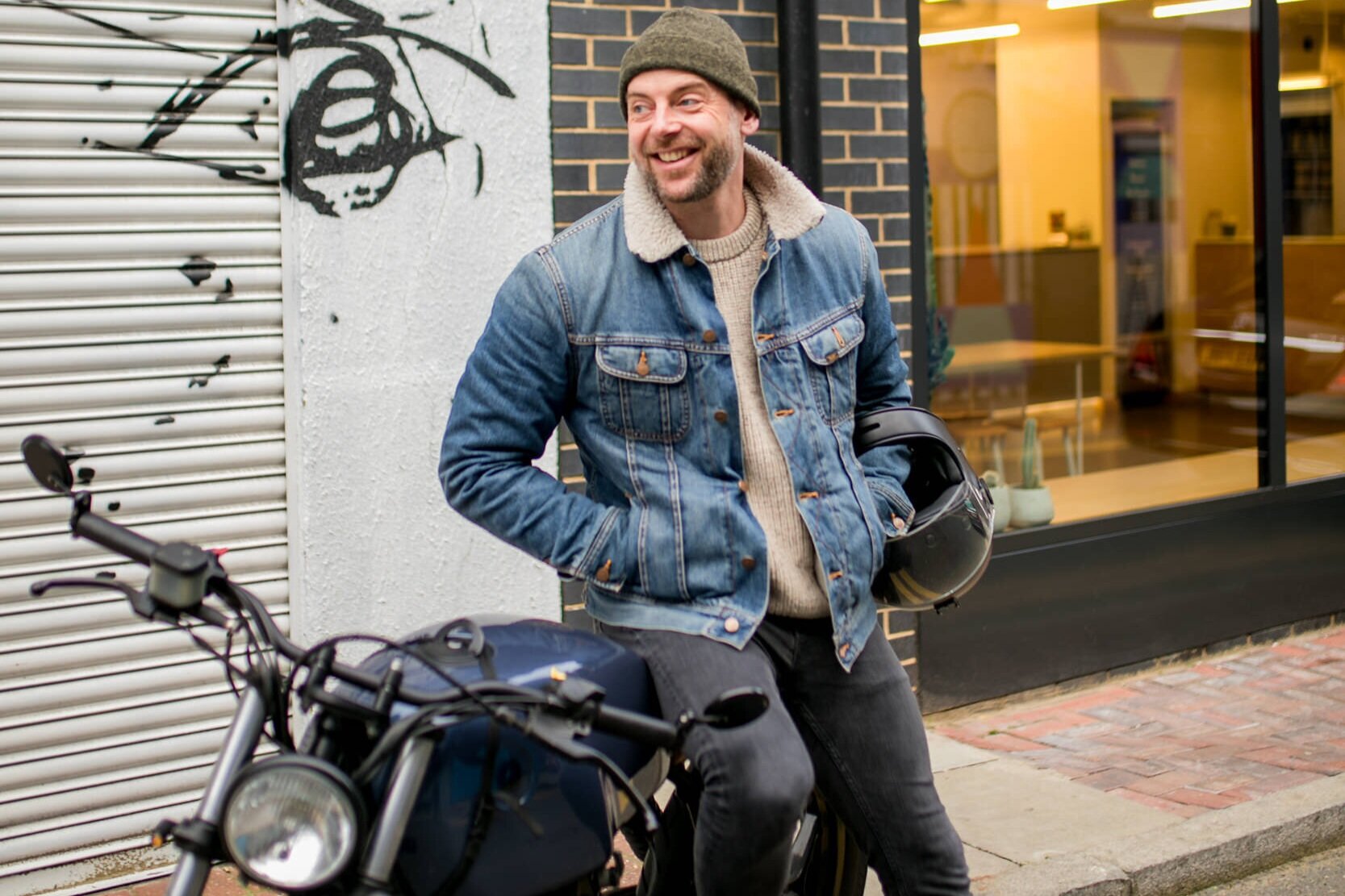
Following a short introduction to this wonderful, climate-positive initiative called ChromeCarbon (you can read that here), it was important that to understand it better, we spoke to the person behind it, Julien Lescure.
Chrome Carbon is about repairing, restoring and preserving not only our dream machines, but also our environment. All for future generations
TCC: What made you think about Chrome Carbon and how did you plan it?
JL: Chrome Carbon was born from my desire to reduce the carbon footprint of my cars and motorbikes. Back in 2019, I decided to calculate the carbon footprint of my yearly road trip to France. The results shocked me as I released more than one tonne of CO2 in the atmosphere on this single drive. I searched online for a service that would allow me to repair that damage. The available services looked loose, lacking professionalism and transparency and the prices felt random at best. Then I discussed it with some friends and realised that I wasn’t the only one trying to reconcile my passion for motoring adventures with responsible behaviour towards our environment. That’s when I decided to start Chrome Carbon.
How do you estimate the average CO2 right now?
JL: The calculation is based on a ratio between your average fuel consumption and your yearly mileage. We then multiply the result by the standard amount of CO2 generated when you burn one litre of either petrol or diesel. The figures of respectively 2.31kg/per litre and 2.68kg/per litre are from publications by Prof. Tom Davies from the University of Exeter in Devon, UK.
Do you think incorporating CO2 data from various manufacturers (which is easily available in the UK) will make the tool more relevant?
JL: For the moment we want to keep it as simple as possible. Since we are talking about classic and custom cars and motorcycles, it would be nearly impossible to have a list that would encompass every vehicle. Moreover, the goal is not to be precise by the kg, but more to engage enthusiasts into a climate positive contribution.
Are there any plans to approach bigger brands to help them decrease their carbon footprint. If yes, do you think it'll make sense to include the pollution caused in manufacturing a car/bike?
JL: Chrome Carbon focuses on the impact of passion. As soon as you approach bigger brands, passion is diluted with business imperatives that often go against the logic of carbon reduction and climate protection that Chrome Carbon promotes. So at this stage, there’s no plan to approach bigger brands. Regarding the inclusion of the manufacturing process, it is on our radar and we will certainly look at it.
How do you handle planting new trees?
JL: Chrome Carbon partners with organisations that work closely with national forest agencies, local forest experts, and farmers. The partners we choose make sure that the right trees are planted and looked after in the most important locations, like areas affected by the recent wildfires in Australia and California, or in the few remaining primary forests. Chrome Carbon also supports partners investing in agroforestry, which is a land use management system in which trees are grown around or among crops or pastureland. This intentional combination of agriculture and forestry has numerous benefits, including increased biodiversity and reduced erosion. Plus it values the trees in the local economies, ensuring trees are taken care of in even the most remote locations.
Could you please throw some light on the current partners' projects?
JL: We’ve engineered Chrome Carbon subscriptions to feature short-term and long-term climate actions for the best possible value, and our partners reflect that. Each Chrome Carbon subscription is comprised of two parts:
Part one is the short-term offset of your vehicle’s estimated emissions, achieved by purchasing verified carbon credits that fund a reduction in emissions now. With this part alone, your vehicle’s yearly emissions are offset. Our partner for this Gold Standard.
Gold Standard is a certification body that rigorously selects carbon reduction projects, ensuring the highest levels of environmental integrity. Last year they helped to prevent 125 million tonnes of CO2 from being released in our atmosphere.
Part two supports a longer-term investment in reforestation, which comes on top of the carbon credits purchased. Our partners for this are One Tree Planted and PUR Projet.
One Tree Planted is one of the largest nonprofit organisations dedicated to global reforestation. They aim to plant 15 million trees this year. They are very active around natural disaster relief and work efficiently with the local population to ensure the planting is enduring.
PUR Project is a smaller organisation with a complementary footprint to One Tree Planted. They allow us to fund smaller yet super-efficient reforestation projects in locations that One Tree Planted does not cover. They also work very closely with local experts and national forest agencies, like the Woodland Trust in the UK.
There's no doubt that getting a Chrome Carbon subscription is one way of responsible motoring. What according to you can someone concerned about the environment do to complement this?
As citizens, our two biggest weapons are our credit card (or debit card for that matter) and our vote. The way we consume and who we vote for can reshape the world. Power is in numbers. So in my opinion, it is important to be mindful of the carbon footprint of products we buy as well as to vote for policies and politicians we believe will help.
Examples of concrete actions that can be taken if you want to do more for the environment include buying seasonal and locally produced food, switching to renewable energy providers, and being careful of the emissions during your travels.
Do you follow a sustainable lifestyle, in addition to Chrome Carbon?
Yes, I do all of the above. I buy local food, I have reduced my meat consumption, and I have switched to a 100% renewable electricity provider. I also do less material shopping, and when I do, I choose long-lasting items made sustainably. I also watch my travels.
Of course, I am also Chrome Carbon’s subscriber number 1, with a personal triple subscription for all of my vehicles. Through Chrome Carbon, I prevent more than 5 tonnes of CO2 from entering the atmosphere every year and plant more than 150 trees a year. In 5 years, I will have planted 750 trees, which - when they reach maturity - will absorb 30 tonnes of CO2 every year.
What do you currently drive?
Having been a teenager during the nineties, I’m a big fan of that era and it is reflected in the vehicles I own.
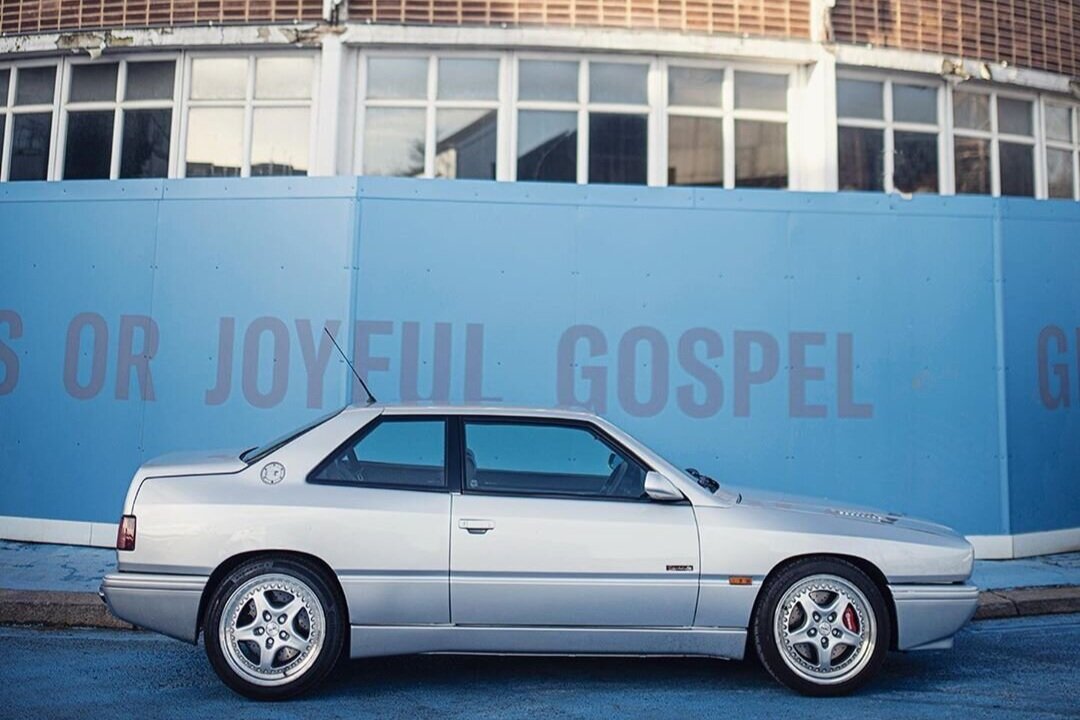
First in the fleet was my 1997 Maserati Ghibli Cup. I have always been a fan of Marcello Gandini’s design and these boxy and over-inflated wheel arches left a strong impression on me as a kid. This specific car is now approaching 180,000 kilometres. I bought it in quite a poor state and slowly rebuilt it into the very reliable and performing car it is today. It is a surprisingly easy car to drive and the Getrag 6-speed gearbox is an absolute blast. All in all, it is an efficient saloon with tons of boost under the pedal.
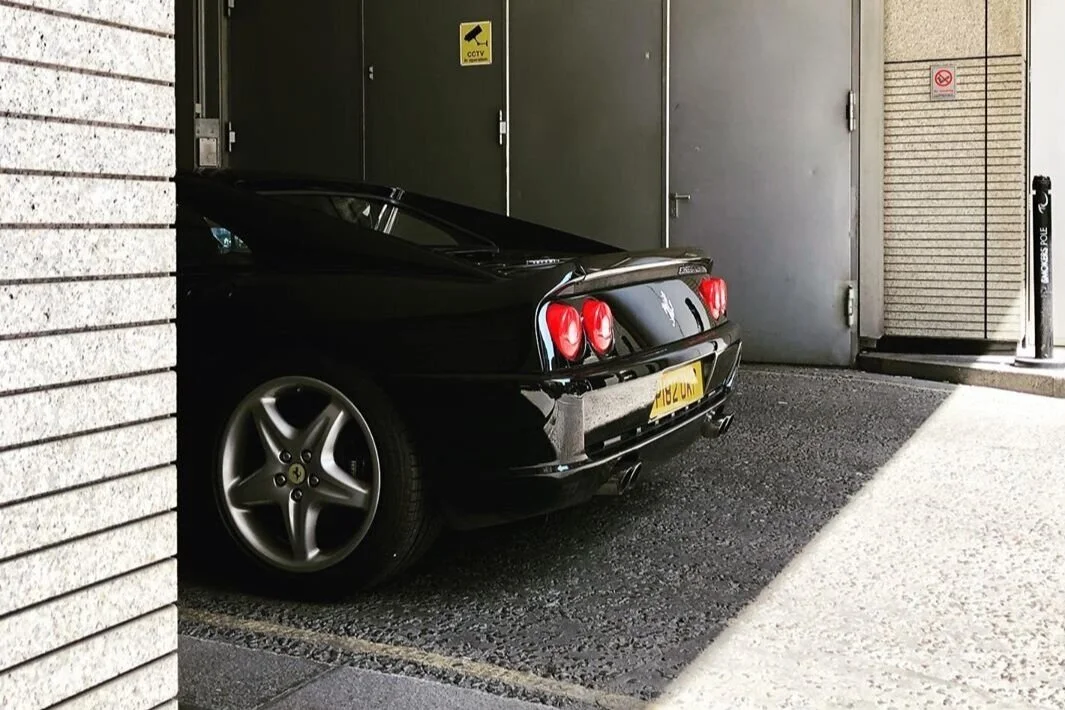
Next is a 1997 Ferrari F355 Berlinetta manual. This is a beast - a pure analogue driving experience amplified by a timeless design and a Capristo exhaust. It’s a genuine grand tourer that does not like getting stuck in traffic. To me, this is the last nimble and humble Ferrari. Time will tell how long I will be the guardian of that fine machine. Meanwhile, I strongly lobby my friends who work at Google to add on Maps the option to choose a route according to maximum airflow!
In terms of motorcycles, I own a 1976 Honda CB750 Four. It is completely stock, and my go-to if I have to get across London. It’s a very good bike that sounds great and provides loads of feedback to make even the shortest drive around town a true driving experience.
I also own a 1989 Yamaha Tenere XT600Z that I took to Morocco to complete the Scram in 2019. The organisers were not so happy with me as contenders are supposed to turn up on inappropriate motorcycles for the terrain! I had a very appropriate machine and don't regret my choice. The bike behaved faultlessly, and I had a blast. It is also perfect to go around London without worrying about the many speed bumps.
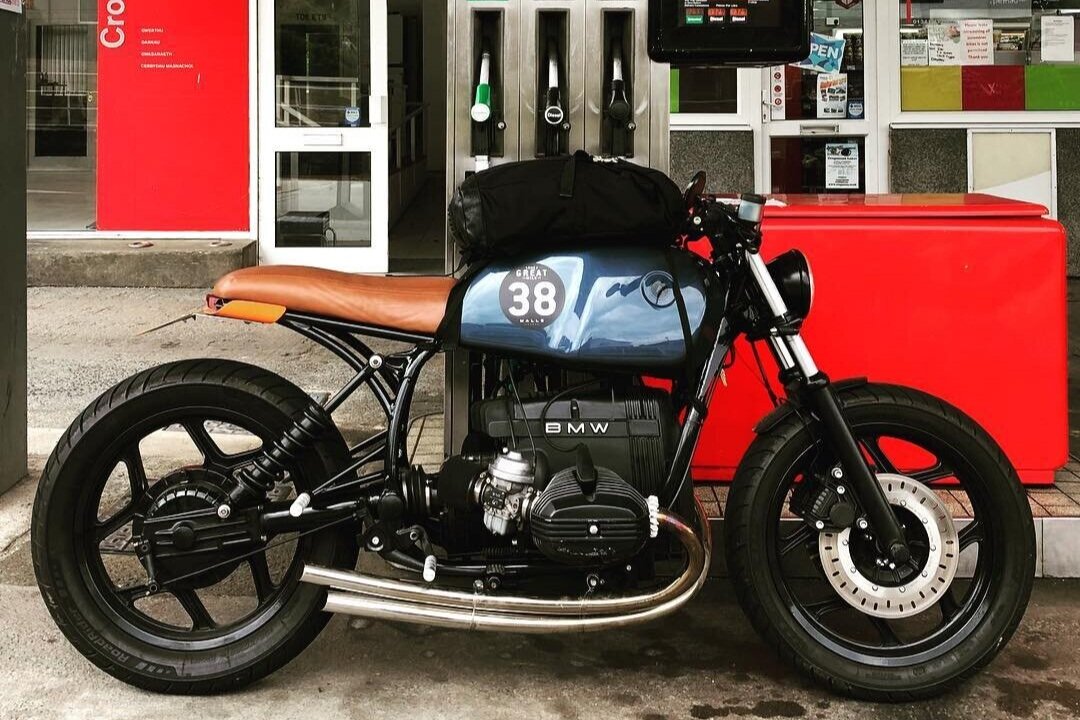
In 2015, I also commissioned the AutoFabrica Type 10 based on a 1992 BMW R80 RT. I love this bike, and it feels very close to my heart as I have been directly involved in the design process. I completed the Great Malle Rally on it in 2018, which was a memorable experience that left me with lasting friendships. Over the years, I also developed a great relationship with Bujar and Gaz, the owners of Autofabrica, who I regularly catch-up with.
How would you define responsible motoring -- and do you see yourself using your cars/bikes as weekend toys more and relying on public transport for work, or do you think getting a PHEV or even a BEV fits your lifestyle better?
For me, responsible motoring is about doing our best for the environment while satiating our passion for automotive and the open roads. Everyone will find their formula, and the effort is rewarding... With a Chrome Carbon subscription, you know that whatever your formula is, you are part of the solution.
I’m as passionate as one can be about my classic cars and motorcycles, but I’m also very excited about the future of automotive including EVs. I also do enjoy a city that provides good public transportation. Today, I walk or use public transportation for my daily commute, even though the Honda has been out a lot this year because of COVID-19 transport risks. As for the other motorbikes or the Ghibli and the 355, they mostly go out over the weekends or for holidays.
There is no plan to add anything to the fleet at the moment, but if I were to get a new vehicle, I would probably choose an EV. It would just make sense in my formula of responsible motoring.
You can check out ChromeCarbon by visiting their website and Instagram
All photos courtesy: ChromeCarbon/Julien Lescure